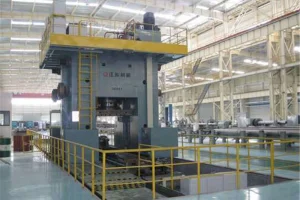
Whitepaper: Industrial Metamorphosis & The Mechanics of Hot Extrusion Hydraulic Systems
An in-depth analysis of high-pressure metal forming, thermodynamic variables, and structural optimization.
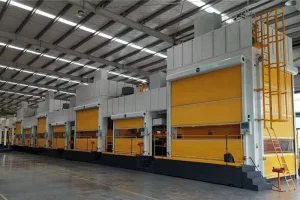
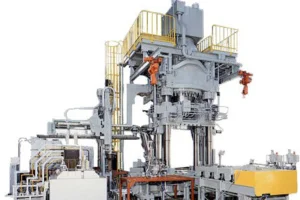
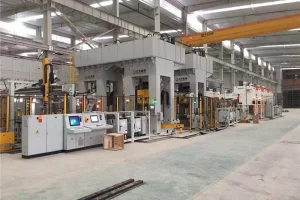
In the contemporary aerospace, automotive, energy, and defense sectors, the requirement for high-integrity structural components has catalyzed a rapid shift toward advanced hot extrusion hydraulic press production lines. Hot extrusion involves forcing heated metal billets through custom-designed dies at temperatures exceeding the recrystallization point. This process drastically refines grain structure, eliminates porosity, and significantly enhances tensile strength and fatigue resistance. Designing a system capable of managing these high-temperature, high-tonnage requirements requires deep expertise in hydraulics, materials science, thermodynamics, and automation.
Thermodynamic Equilibrium & Dynamic Flow Control
Achieving structural integrity in hot extruded parts requires precise thermal profiles. Extrusion presses must interact dynamically with induction heating lines and die temper systems. If a billet undergoes thermal decay before extrusion, flow stress rises, leading to potential die fractures or irregular density. The hot extrusion hydraulic press production line manages these challenges using multi-stage proportional flow valves, servo-driven main pumps, and automated speed control loop profiles. This ensures steady speed profiles, minimizing shear stresses and maintaining consistent microstructures.
Structural Engineering & Zero-Deflection Press Frames
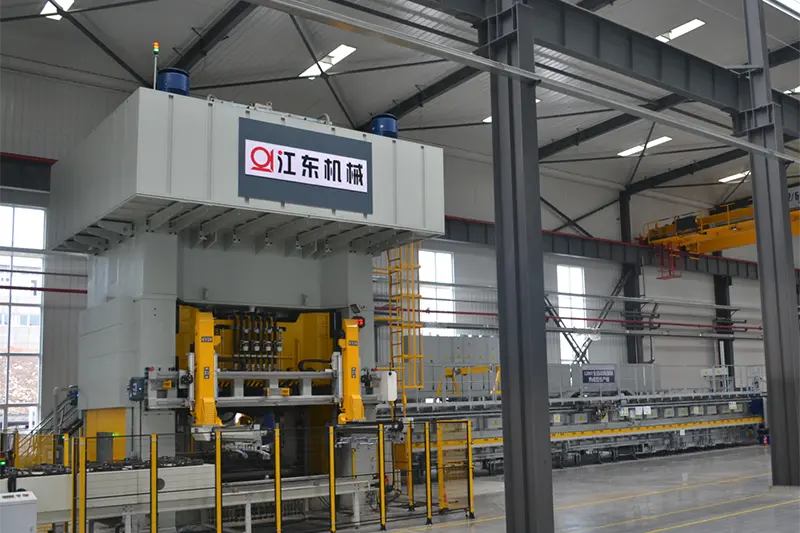
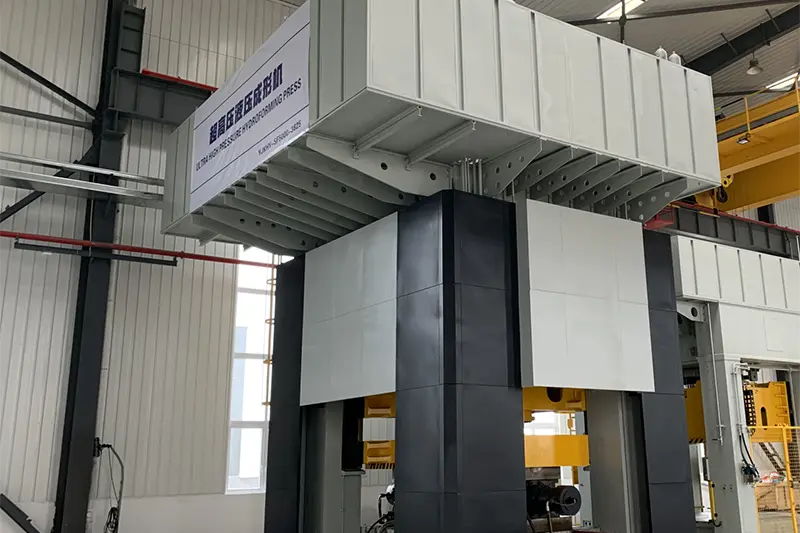
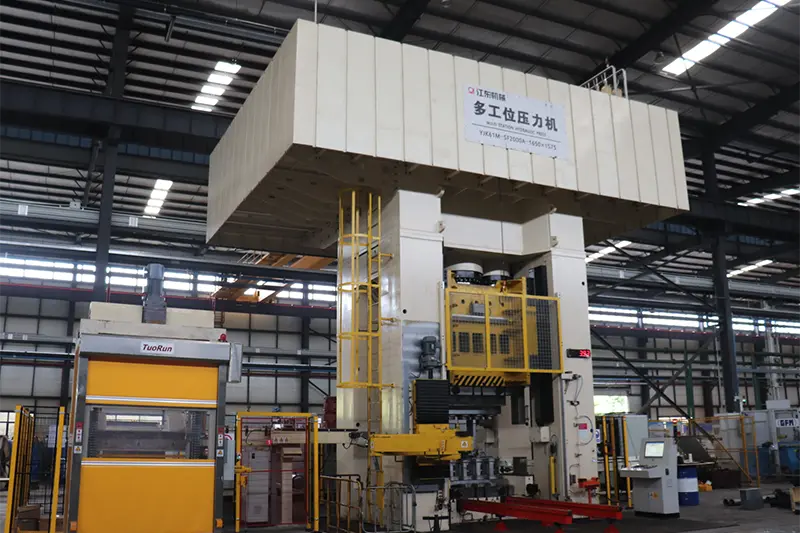
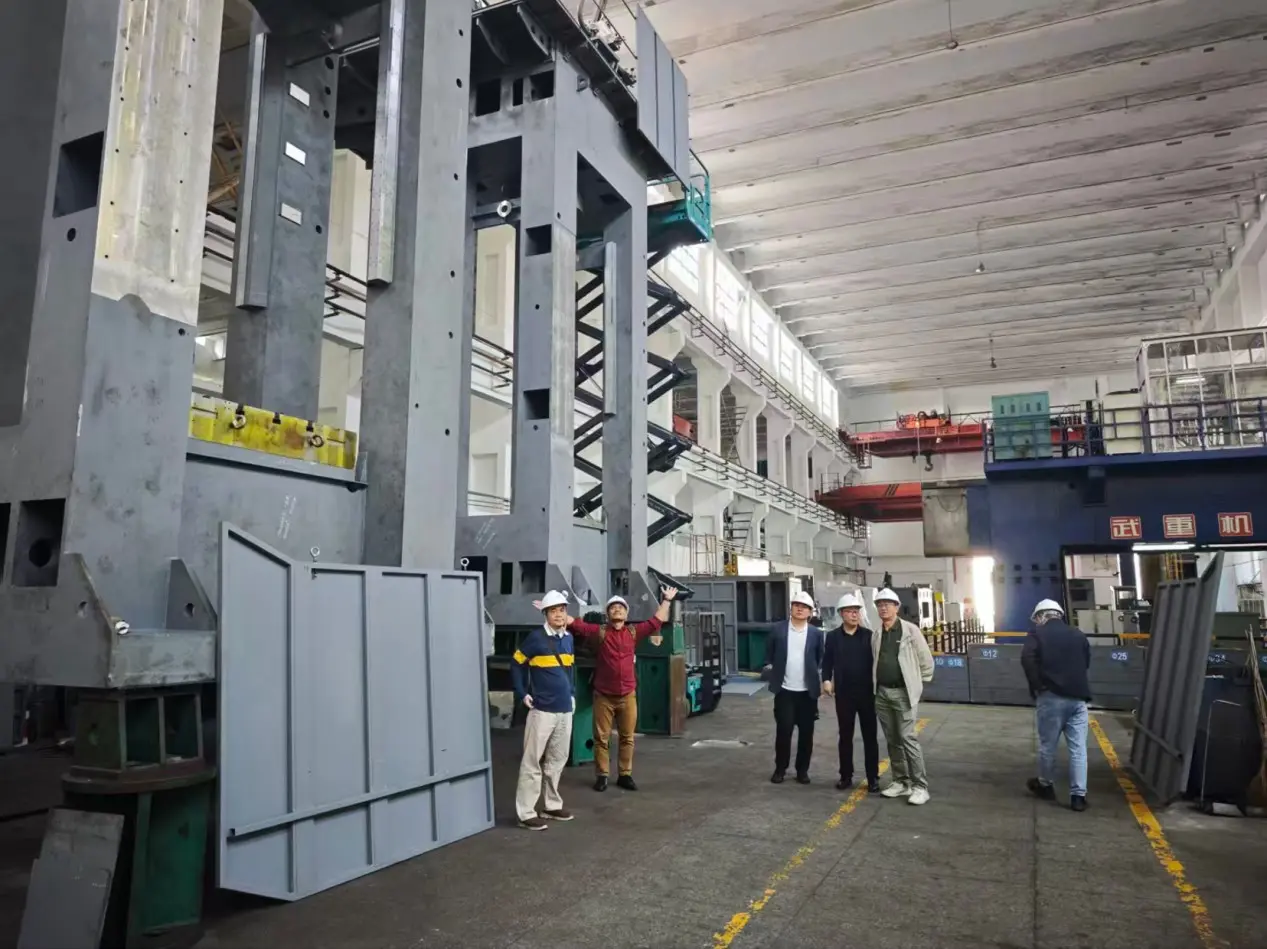
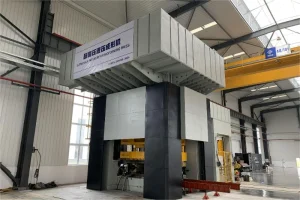
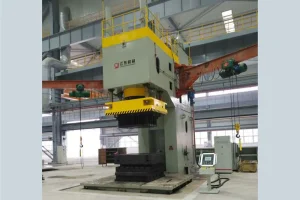
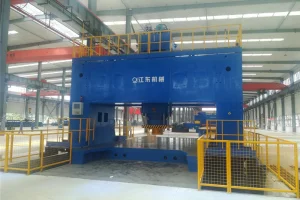
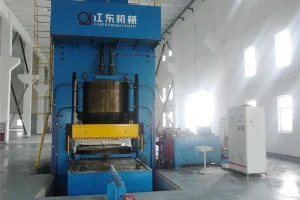
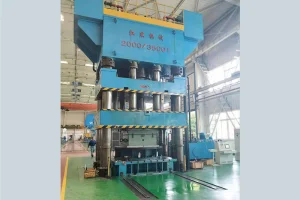
Heavy-duty hot extrusion generates high reaction forces that challenge structural integrity. A quality press frame must feature extreme torsional rigidity and zero-deflection characteristics under maximum eccentric loading. Utilizing finite element analysis (FEA), modern designs implement prestressed tie-rod frames or monolithic welded frame structures. This reduces fatigue failures in high-tonnage applications, ensuring long-term reliability and precise alignment.
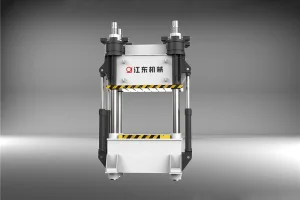
- Prestressed Tie-Rod Architecture: Provides excellent load balance and fatigue resistance during heavy cyclic loading.
- Integrated Active Eccentric Load Compensation: Employs high-precision linear encoders and rapid proportional relief valves to correct frame tilting.
- Advanced Finite Element Analysis (FEA): Guides optimized rib configurations and material distribution, reducing total frame mass while keeping rigidity high.