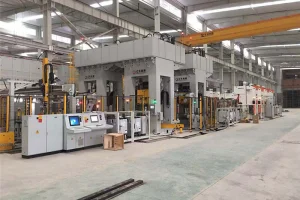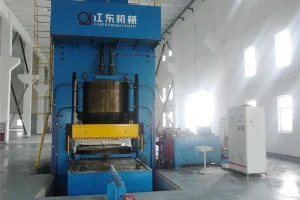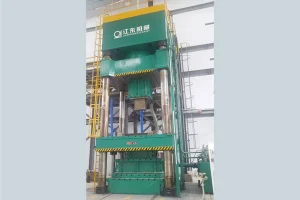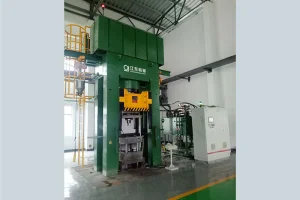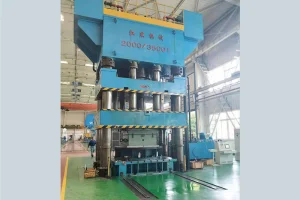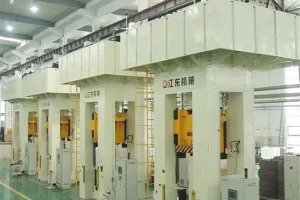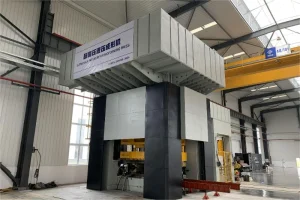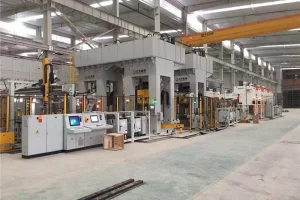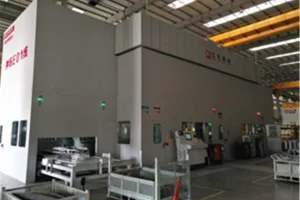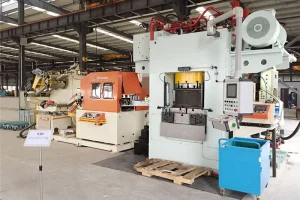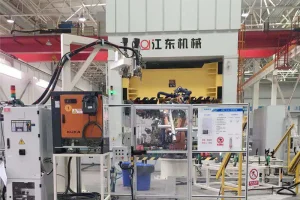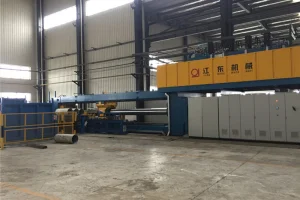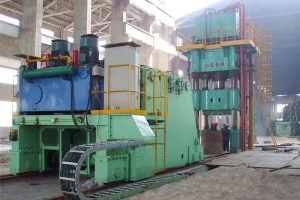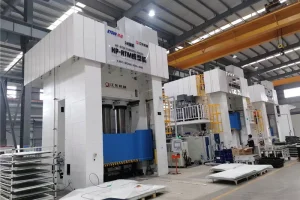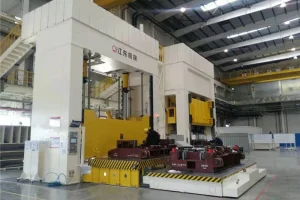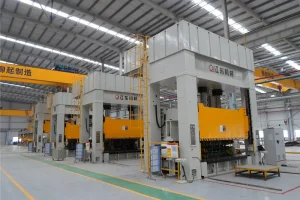
Explore our top-tier industrial forming equipment engineered for precision, automation, and long-term durability.
Analyzing macro-economic shifts, decarbonization pressure, and high-performance engineering upgrades.
The landscape of global heavy industry is transitioning rapidly. In response to demanding carbon reduction policies and energy efficiency regulations, manufacturers are shifting from legacy hydraulic operations to intelligent, servo-driven, high-precision molding equipment. This evolutionary jump relies on integrating Cyber-Physical Systems (CPS), smart sensors, and advanced predictive analytics into heavy machinery.
As standard tolerances become increasingly strict, components used in the automotive, aerospace, and high-speed rail sectors require unmatched micro-precision. To achieve this, the modern wholesale heavy industries manufacturer must provide equipment that mitigates geometric deviation under high thermal loads. Closed-loop control systems, which dynamically adjust hydraulic fluid viscosity, mechanical stress, and die temperature in real-time, are now critical to minimizing waste during manufacturing.
One of the largest drivers of heavy machinery design is the global push for lightweight materials. Reducing overall weight in Electric Vehicles (EVs) directly correlates to increased battery range. Consequently, traditional steel architectures are being replaced by ultra-high-strength steel (UHSS), lightweight aluminum alloys, and high-performance composite matrices (e.g., SMC, HP-RTM, and LFT-D).
Forming these advanced materials demands specialized machinery. Hydroforming technology, hot stamping lines, and superplastic forming equipment are no longer niche products; they have become the backbone of Tier-1 automotive factories and structural aerospace manufacturing. Manufacturers that develop highly integrated, automated production lines for these materials are well-positioned to lead the global supply chain.
"Integrating lightweight structures requires not only high-pressure capabilities but also a deep understanding of metal behavior under extreme thermal gradients." — Technical Director, Jiangdong Machinery R&D Center
Deciphering procurement expectations for reliability, custom engineering, and compliance.
B2B industrial buyers look beyond the initial purchase price. Sourcing executives evaluate long-term maintenance costs, power consumption, die wear, and cycle efficiency. High-efficiency hydraulic presses that feature energy recovery systems and modern variable displacement pump technologies reduce operating expenses significantly over a 15-year lifecycle.
Compliance is essential for entering Western markets. Machinery must carry CE certifications, meet ISO 9001:2015 manufacturing standards, conform to UL electrical panels, and satisfy OSHA safety requirements. Factories that integrate safety features like dual-channel optical light curtains and dynamic safety slide locks verify their commitment to workplace safety and regulatory compliance.
Global procurement teams favor manufacturers that provide end-to-end solutions. From initial tool design, finite element analysis (FEA), and mechanical manufacturing to custom automation lines, installation support, and remote troubleshooting, buyers prefer single-source responsibility. This minimizes friction and ensures seamless mechanical integration.
Chongqing Jiangdong Machinery Co., Ltd. (hereinafter referred to as “Jiangdong Machinery”) is a comprehensive forging company integrating R&D, production, sales and service of hydraulic presses, lightweight forming technology, lightweight parts, hot and cold stamping dies, metal castings, etc. Equipment and parts manufacturing companies. Among them, the company’s research and development of hydraulic presses and production lines have advanced automation, intelligence, and flexibility. At the same time, Jiangdong Machinery can provide customers with a variety of metal and non-metal hydraulic forming equipment and integrated forming technology solutions, especially in automobile lightweighting.
With a foundation going back to 1937, Jiangdong Machinery brings nearly a century of industrial legacy to the heavy equipment sector. Located in Chongqing's heavy manufacturing district, our facility designs, mills, and assembles some of the world's most robust and sophisticated metal-forming systems. We operate with a strong focus on scientific innovation, averaging 30 patent achievements and 30 new scientific research projects every single year. This persistent R&D effort guarantees that our customers remain at the cutting edge of industrial efficiency.
Why manufacturing partnerships with Chinese manufacturers guarantee global B2B operations stability.
China's heavy industry runs on highly concentrated industrial clusters. Jiangdong Machinery draws from local supplies of raw pig iron, forged steel, high-end valves, and advanced control modules, creating a dense network that minimizes delays in sourcing materials. This cluster effect speeds up logistics and keeps component-level customization times minimal compared to highly fragmented supply chains.
By using localized metallurgy ecosystems, Chinese factories maintain price stability despite global inflation. Our long-term partnerships with raw material providers protect overseas buyers from sudden price swings. This security allows us to offer transparent pricing and reliable delivery schedules even during unstable economic cycles.
The "China Factory 4.0" model combines large-scale output with custom, precision engineering. Jiangdong Machinery integrates robotic arm loading, automatic blanking, conveyor setups, and laser monitoring systems directly into press lines. This automation reduces human error, speeds up cycles, and improves structural repeatability for complex dies.
Additionally, we implement real-time cloud diagnostic protocols into all exported forming machines. Customers in North America, Southeast Asia, and Europe receive round-the-clock support. Our engineers can remotely debug PLC programming, monitor pressure trends, and check system performance without requiring on-site visits, reducing downtime and protecting overall operational performance.
One-stop overall solutions tailored to match advanced customer manufacturing specifications.
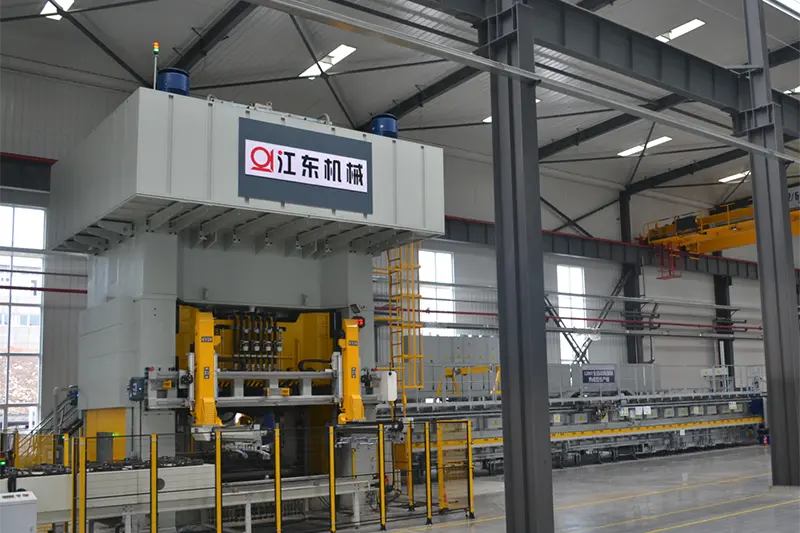
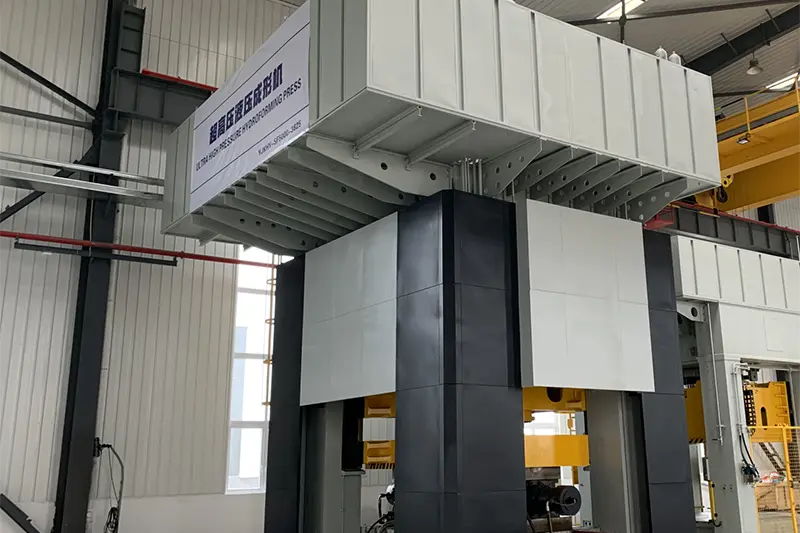
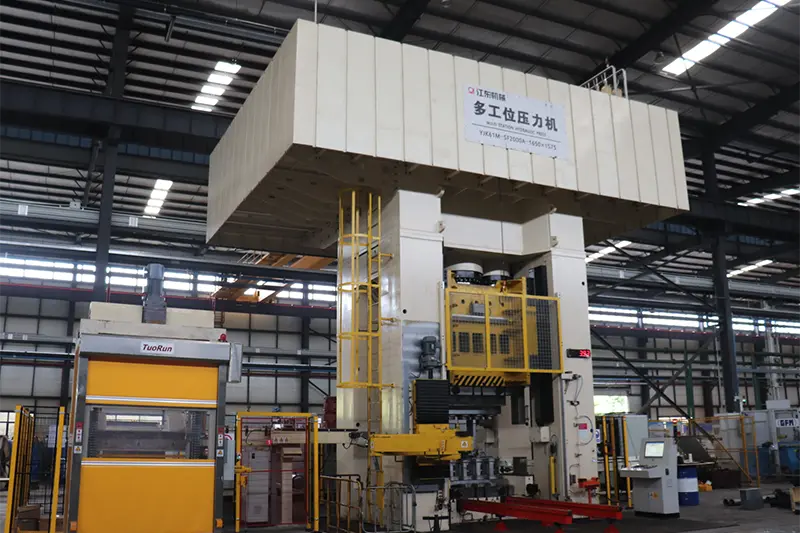
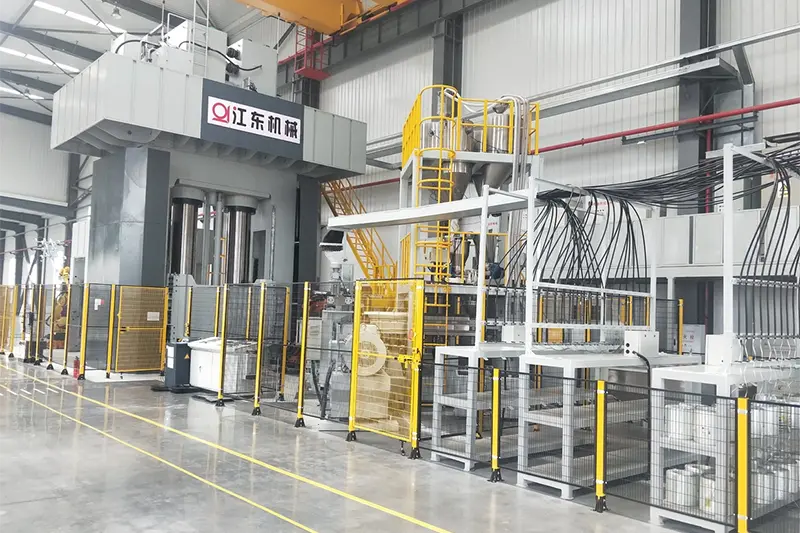
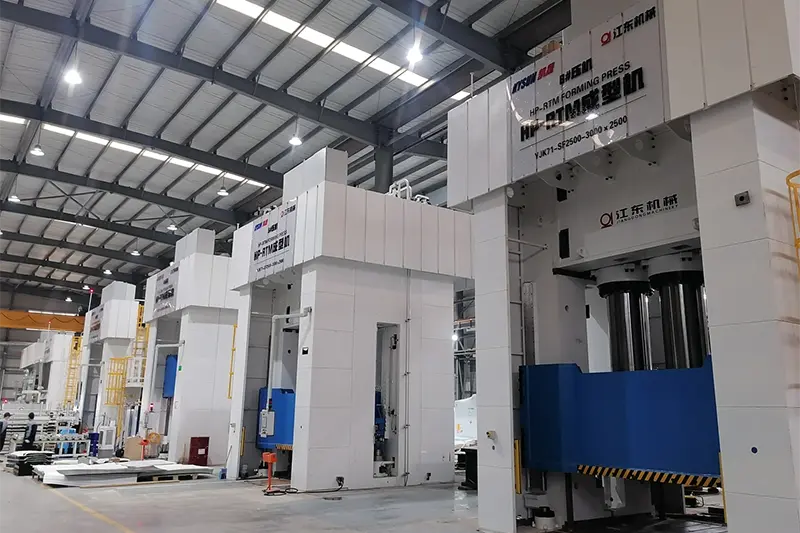
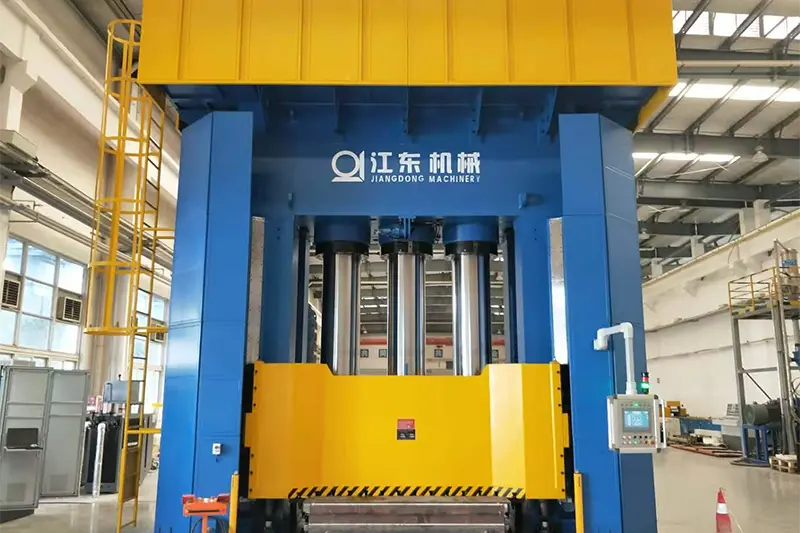
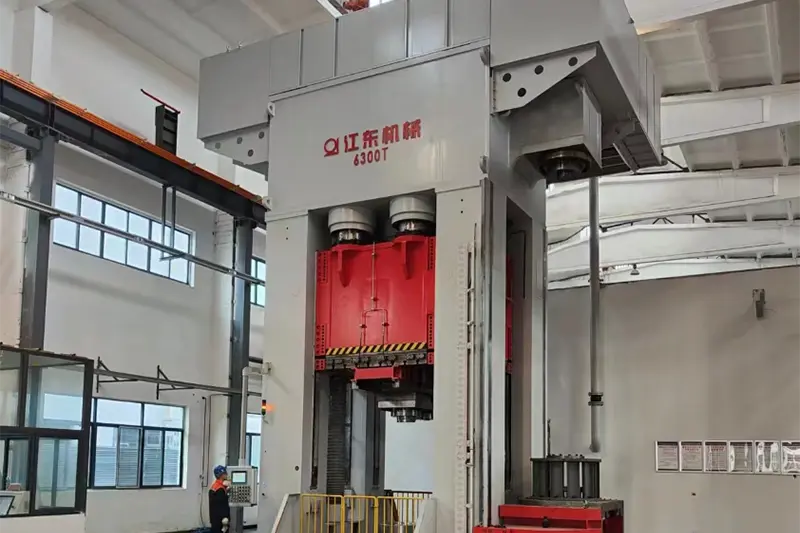
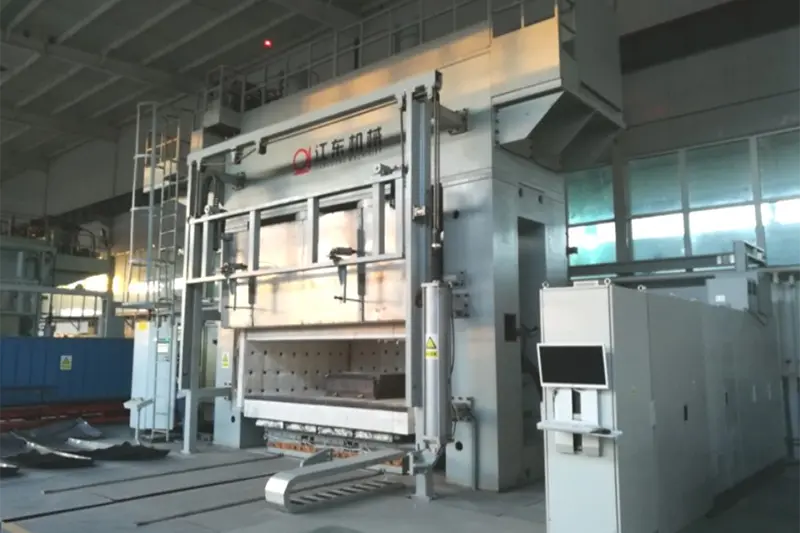
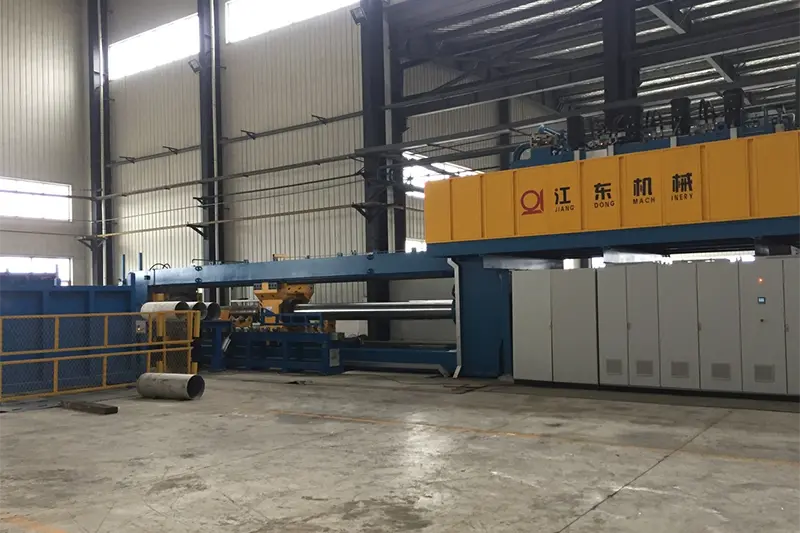
How our forming machinery functions across various operating environments and manufacturing sectors.
In high-speed automotive assembly lines, structural precision is critical for doors, hoods, and safety-frame components. Our specialized door-hemming hydraulic systems provide the repeatable force control needed for clean, dent-free margins on lightweight panels. This performance minimizes springback issues, common with high-yield strength aluminum alloys.
For high-pressure gas storage and fire safety setups, cylinder draw depth must be highly uniform. Our deep-drawing hydraulic presses offer variable hydraulic resistance during the draw stroke. This control limits wall thinning and cracks in the dome, maintaining thickness profiles for high-pressure applications.
Processing automotive components with LFT-D or SMC requires precise temperature and pressure profiles to ensure proper fiber distribution. Our composite presses feature multi-zone heated dies and fast cycle times, allowing polymer matrices to cure uniformly and ensuring reliable mechanical properties across complex parts.
Complete technical support and engineering services throughout the lifecycle of your machinery.


Technical answers to common engineering, procurement, and setup questions.
Internal high-pressure hydroforming uses pressurized fluids (often up to 300 MPa) to expand tubular metals outward into a die cavity. Compared to standard stamping, it produces lightweight, structural hollow parts with high rigidity, minimal springback, and fewer weld joints. This makes it ideal for complex frame sections in high-end automotive assemblies.
Our composite forming lines process Sheet Molding Compound (SMC), Bulk Molding Compound (BMC), Glass Mat Thermoplastics (GMT), Prepreg Compression Molding (PCM), High-Pressure Resin Transfer Molding (HP-RTM), and Long-Fiber Reinforced Thermoplastic (LFT-D) structures. These materials are widely used to manufacture lightweight outer panels for automotive and aerospace components.
Boron steel (e.g., 22MnB5) is difficult to form cold at room temperature because it hardens rapidly, causing cracking and tooling damage. Hot stamping heats the material to its austenitizing temperature (around 950°C), forms it while hot, and then rapidly quenches it in water-cooled dies at cooling rates exceeding 27°C/s. This transforms the microstructure into high-tensile martensite, increasing yield strength up to 1500 MPa.
We offer complete turnkey logistics. Equipment is disassembled, wrapped in protective film, secured inside reinforced flat-racks or heavy containers, and shipped with moisture prevention. Our technical field team, alongside local partners, manages unloading, foundation assembly, electrical hookups, final calibration, and operator training on site.
Follow our company updates, global partnerships, and technical presentations.
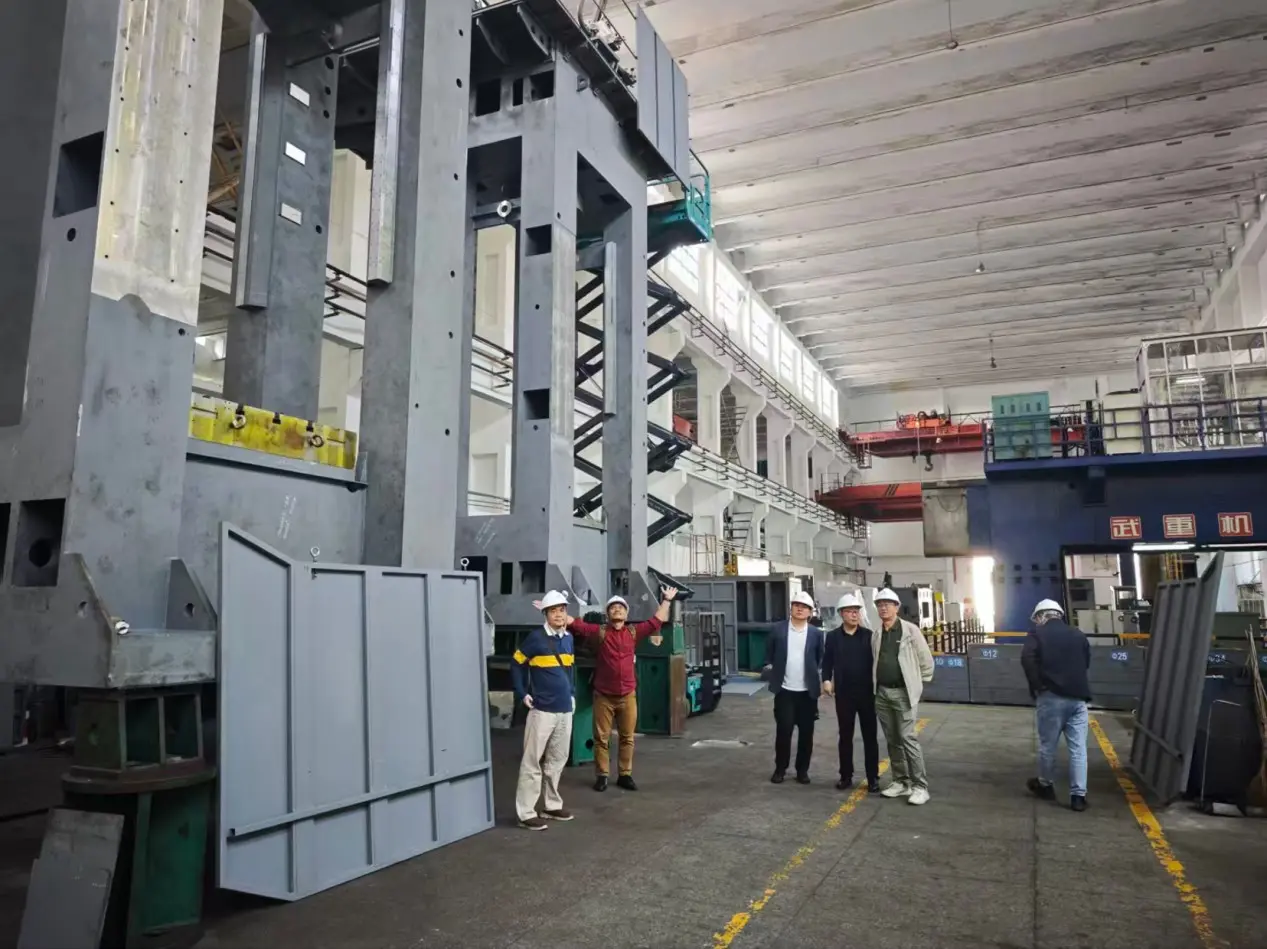
A delegation of Indonesian manufacturing customers visited Chongqing Jiangdong Machinery to evaluate our technical facilities, assembly accuracy, and overall production capacity. This visit resulted in a new partnership for automated sheet metal forming machinery.
Recently, a delegation of Indonesian customers visited Jiangdong Machinery to inspect its capabilities, product quality and technical strengths, laying a solid foundation...
With the arrival of the new year, everything feels fresh and renewed. Recently, multiple partners from countries including Thailand, Indonesia, and Malaysia have successiv...
Chongqing Jiangdong Machinery Co., Ltd. (hereinafter referred to as "Jiangdong Machinery"), a leading enterprise in China's metal f...
Discover more specialized machinery, custom hydroforming setups, and drawing production lines.