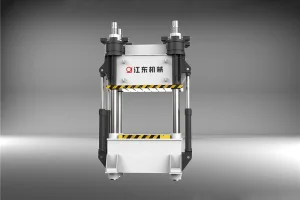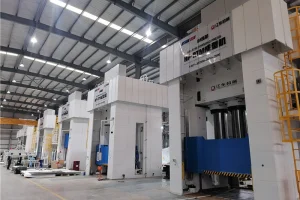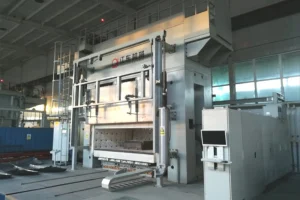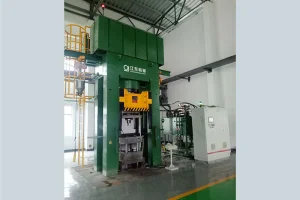
Explore our precision-engineered hydraulic forming presses and automated production lines configured for structural metal and advanced composite component fabrication.
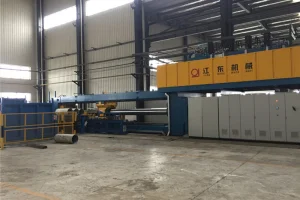
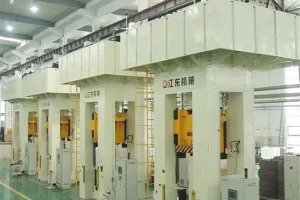
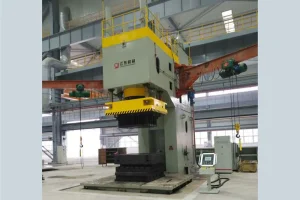
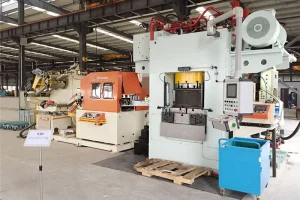
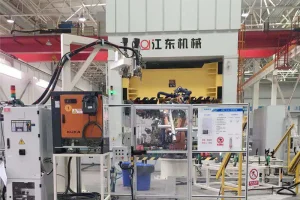
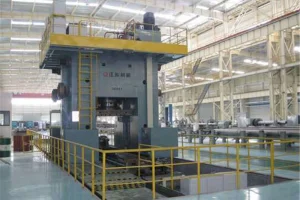
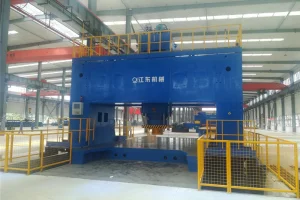
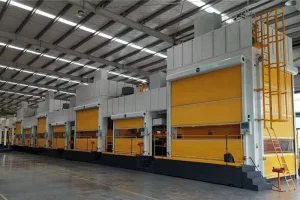
In the contemporary landscape of high-performance manufacturing, the global push toward carbon neutrality, industrial efficiency, and material lightweighting has repositioned advanced composites at the core of structural design. Technologies such as SMC (Sheet Molding Compound), HP-RTM (High-Pressure Resin Transfer Molding), and LFT-D (Long-Fiber Reinforced Thermoplastic Direct Molding) are no longer specialized laboratory protocols; they are the baseline processes powering high-volume structural production lines.
Industrial sectors from automotive transportation to commercial aerospace are confronting a common mandate: reduce structural mass without compromising crash safety, environmental resilience, or structural rigidity. In-line compression molding systems serve as the critical hardware enabler. By deploying precision thermal management, high-speed press dynamics, and digital synchronization interfaces, modern composite molding presses achieve cycle times and quality repeatability metrics that rival traditional sheet metal stamping. This technological convergence is vital as manufacturers phase out heavy cast steel and aluminum frames in favor of complex, continuous-fiber carbon geometries and hybrid multi-material polymer matrices.
Achieving rapid throughput is a historical bottleneck for thermoset and thermoplastic composite fabrication. Modern in-line operations systematically resolve this throughput deficit. Through automated robotic charging, rapid mold closure speeds, variable pressure profiling during resin cure cycles, and automated ejector mechanisms, structural cycle times are minimized. This engineering evolution directly supports the massive production scales required by global automotive tier-one suppliers, reducing manufacturing energy consumption per part while facilitating the volume adoption of lightweight structural components.
Our industrial manufacturing capabilities are divided into three core divisions, delivering end-to-end turnkey machinery solutions.
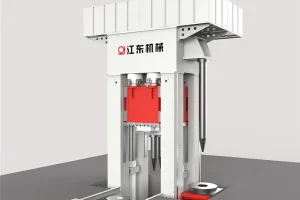
Automated manufacturing systems designed for high-stress deformation, isothermal structural forging, and precise automotive exterior metal skin forming.
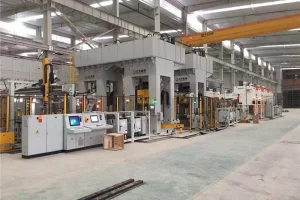
In-line press systems optimized for high-pressure injection, long-fiber blending, and exact thermal profiling of thermoset and thermoplastic polymers.
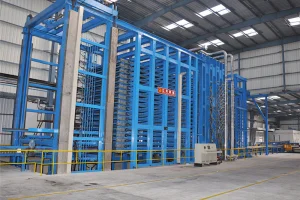
Custom lines engineered for superplastic alloy deformation, high-pressure gas cylinder drawing, and advanced aerospace composite components.
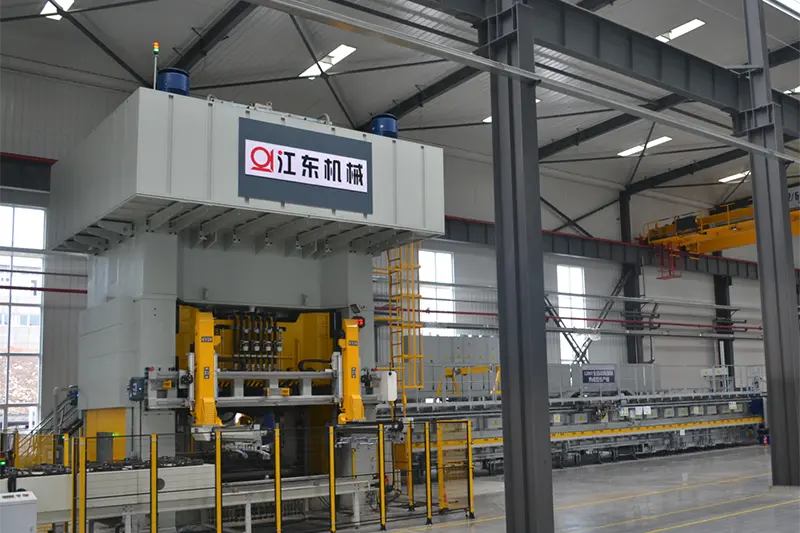
Hot Stamping Hydraulic Press Production Line
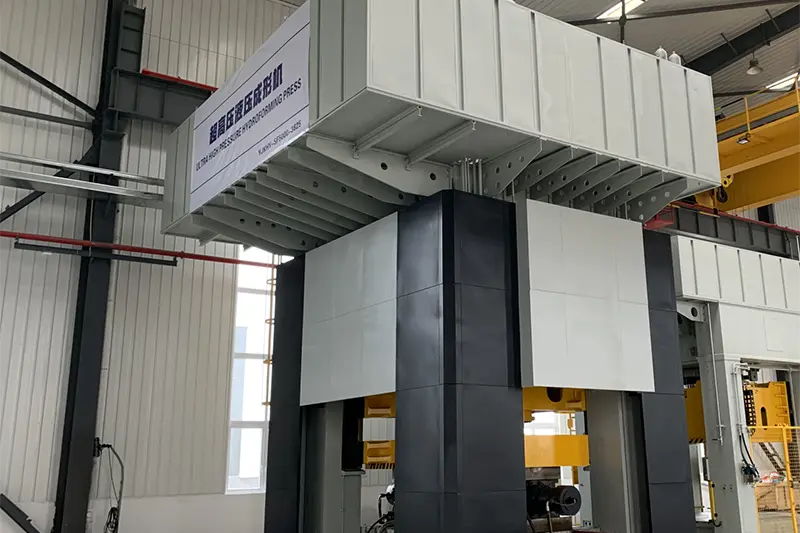
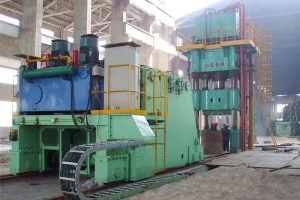
Hydroforming-Internal High Pressure Forming Hydraulic Press Production Line
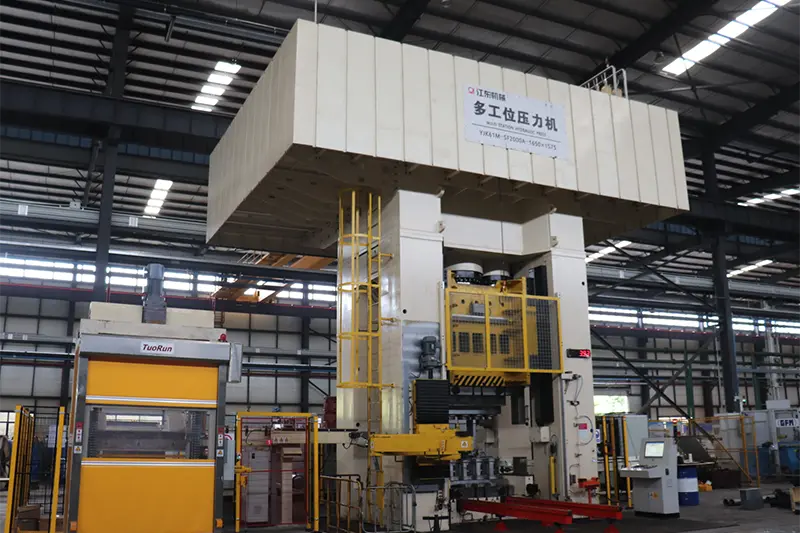
Multistation Extrusion Forging Production Line
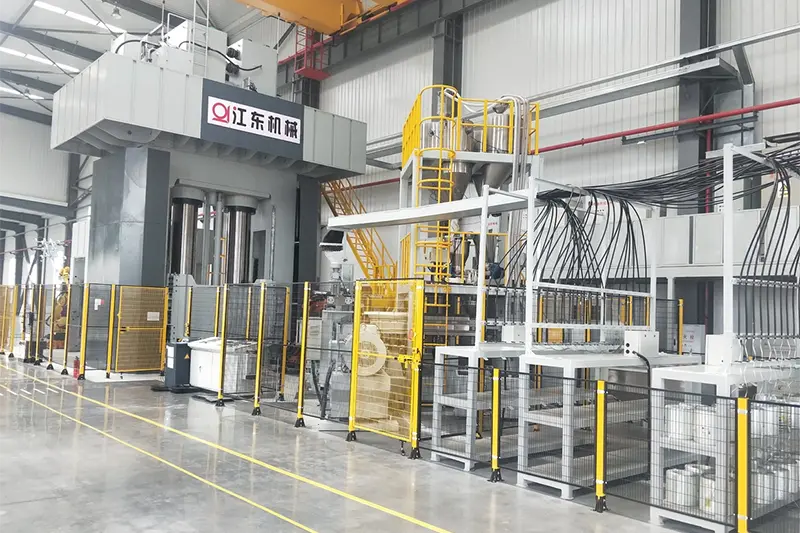
LFT-D (Long-Fiber Thermoplastics Direct)
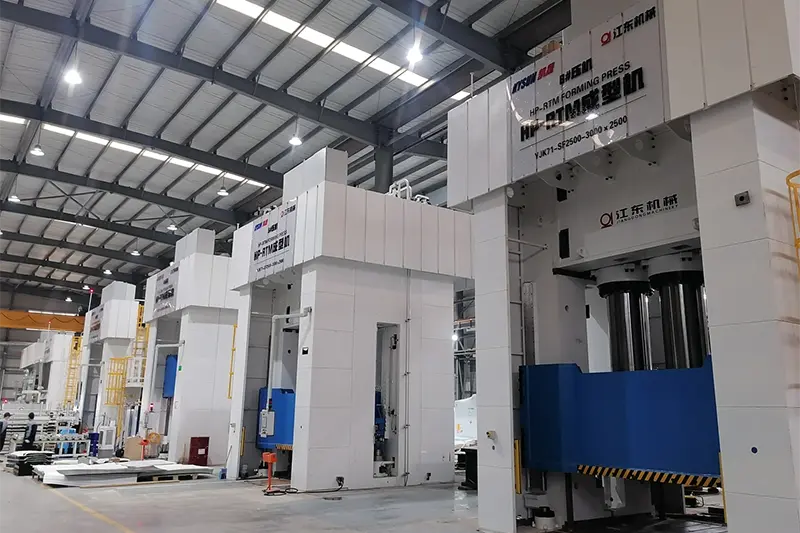
HP-RTM (High-Pressure Resin Transfer Molding)
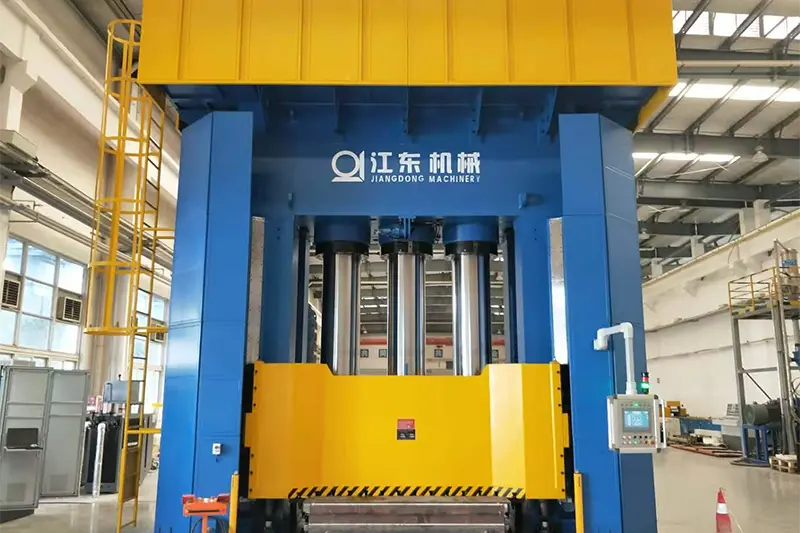
SMC / BMC / GMT / PCM Hydraulic Presses
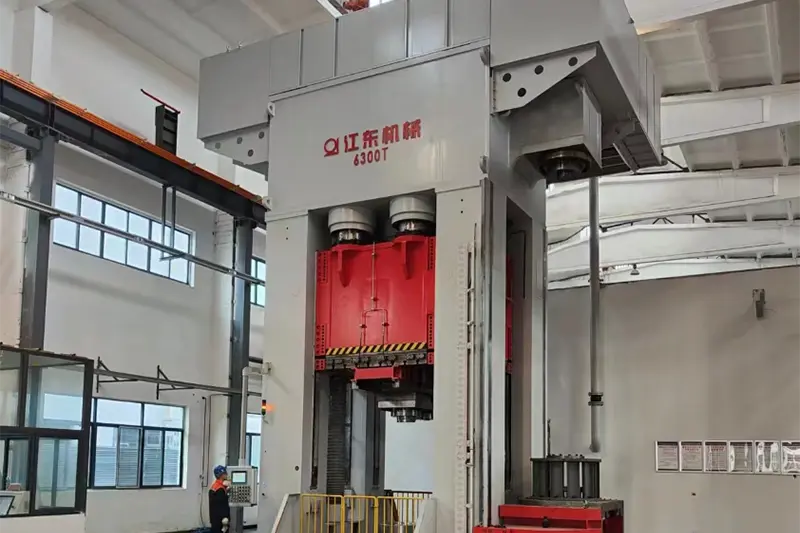
Iso Thermal Forging Presses
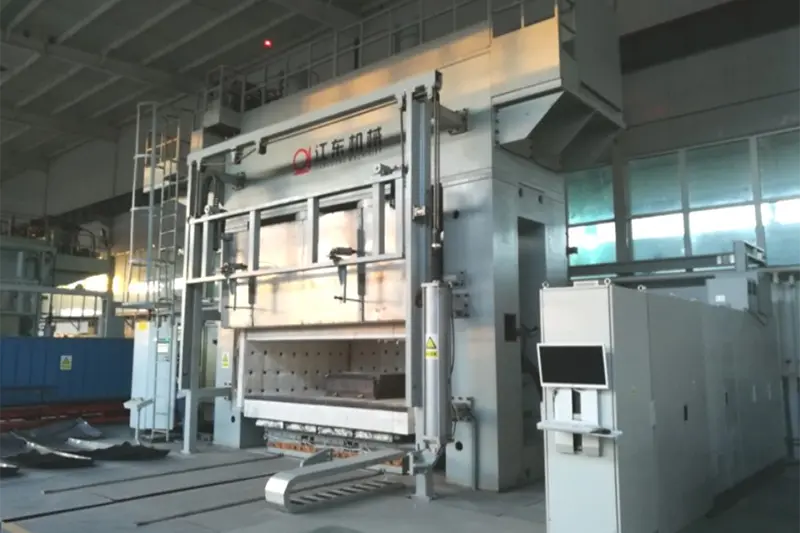
Superplastic Forming Systems
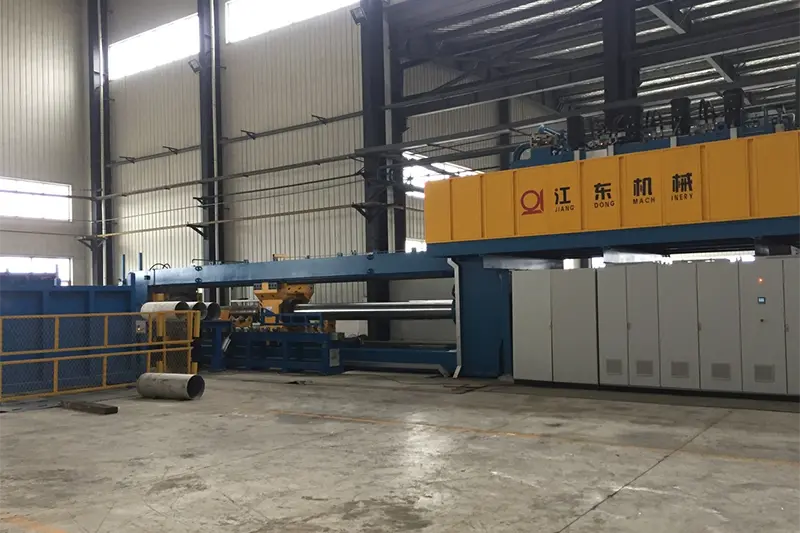
Gas Cylinder Bullet Housing Stretching Lines
Jiangdong Machinery is committed to understanding and matching complex client requirements, providing single-source integrated manufacturing cells from engineering design to structural optimization.
Chongqing Jiangdong Machinery Co., Ltd. (Jiangdong Machinery) is a comprehensive forging equipment company integrating research and development, fabrication, global sales, and engineering support for hydraulic presses, lightweight forming technologies, lightweight structural parts, hot/cold stamping dies, and high-performance metal castings.
Our engineered hydraulic presses and automated production lines feature advanced automation, digital integration, and dynamic versatility. We provide global industrial partners with multi-material hydroforming systems and integrated manufacturing configurations optimized for lightweight structural components in automotive, defense, and aerospace fields.
Explore Our CapabilitiesWe ensure sustained performance, safety compliance, and maximum operational uptime for your machinery through our integrated support services.

Bespoke system designs, mold interface engineering, and manufacturing line designs configured to match specific client production and cycle-time targets.

Real-time machine diagnostics, software upgrades, and live technical assistance enabled through secured cloud connectivity to resolve field issues rapidly.

Routine engineering health-checks, laser alignment, dynamic system calibrations, and structural integrity evaluations to extend machinery service life.

Expert commissioning, specialized machine operator training, and workflow optimization delivered directly at your production facility.

Global stocking and priority delivery of certified original structural and hydraulic components, cylinder seals, manifolds, and electrical modules to prevent unplanned downtime.
Industrial in-line composite molding requires precise coordination of mechanical pressure and temperature controls. Our press configurations incorporate active closed-loop leveling control, utilizing four-corner proportional valve technology to maintain parallelism between upper and lower platens within 0.05 mm. This is critical for preventing uneven resin flow, mechanical dry spots, and localized internal stresses in high-strength carbon-reinforced structural panels.
The LFT-D process integrates compounding and compression molding into a continuous sequence. Glass or carbon fiber rovings are continuously fed into a twin-screw extruder alongside molten polypropylene (PP), polyamide (PA), or high-performance thermoplastic matrices. The composite melt is extruded as a charge and robotically transferred directly to the compression press. This bypasses the cooling and re-heating steps required for semi-finished sheets, minimizing thermal degradation while maintaining optimal fiber length distributions (>10mm) in the finished structural part.
For class-A surfaces and primary structural components requiring high fiber fractions, HP-RTM remains an industry standard. Pre-formed dry fiber architectures are loaded into the mold cavity, the tool is sealed, and a low-viscosity thermosetting resin (such as epoxy or polyurethane) is injected at high pressures (up to 150 bar) into the evacuated mold. Our presses feature integrated vacuum evacuation controls and precise dosing/injection unit communication links to synchronize cure kinetics with clamp force profiles.
Operating in North America, Europe, and Asia-Pacific requires compliance with diverse regional engineering and safety directives. Our equipment portfolio is engineered and validated to comply with strict international regulatory standards:
The next generation of composite molding focuses on digital connectivity, process monitoring, and operational flexibility:
Technical clarifications regarding in-line composite molding systems, press specifications, and operational parameters.
Stay informed about our global operations, international client visits, and upcoming exhibitions.
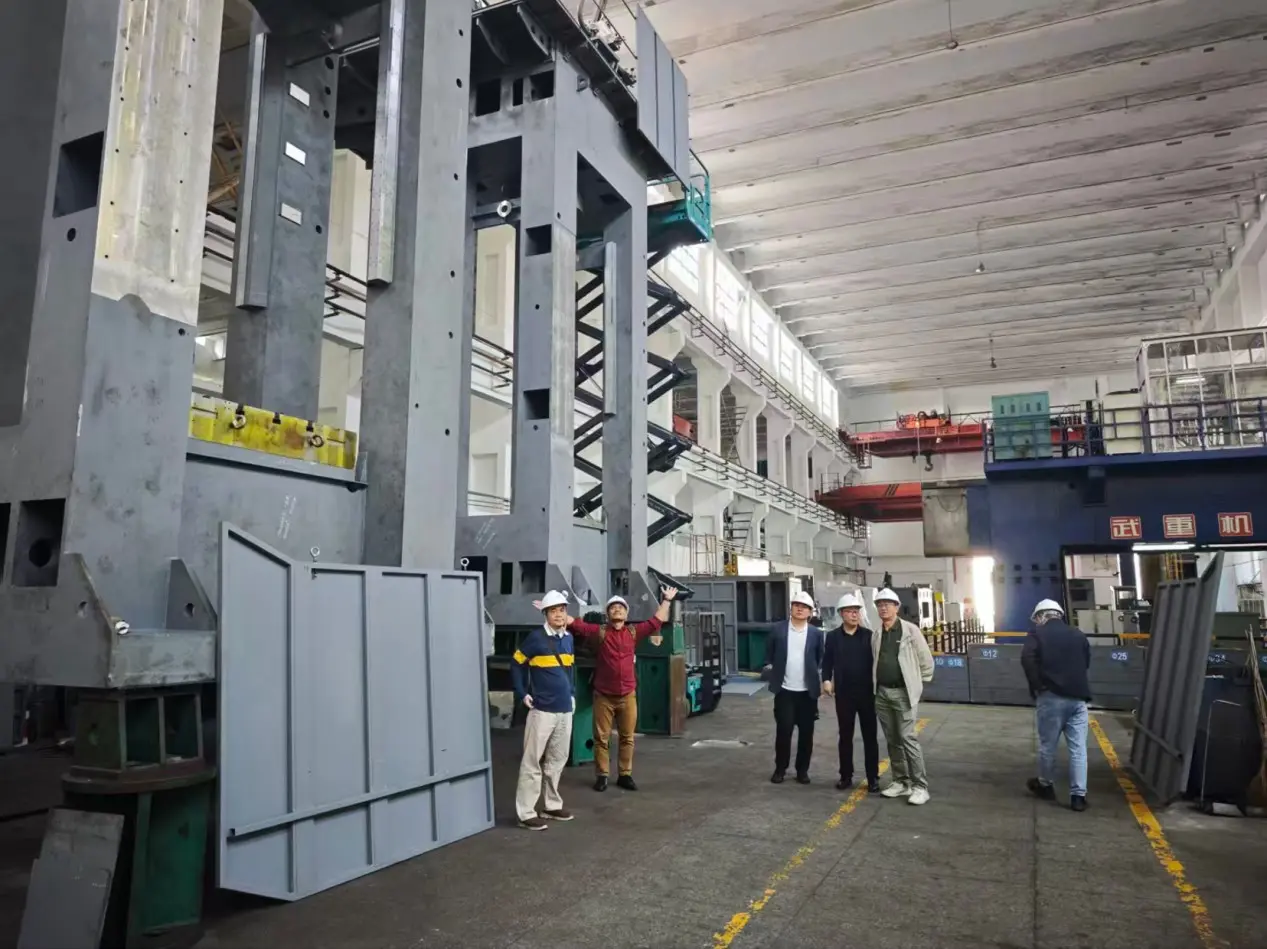
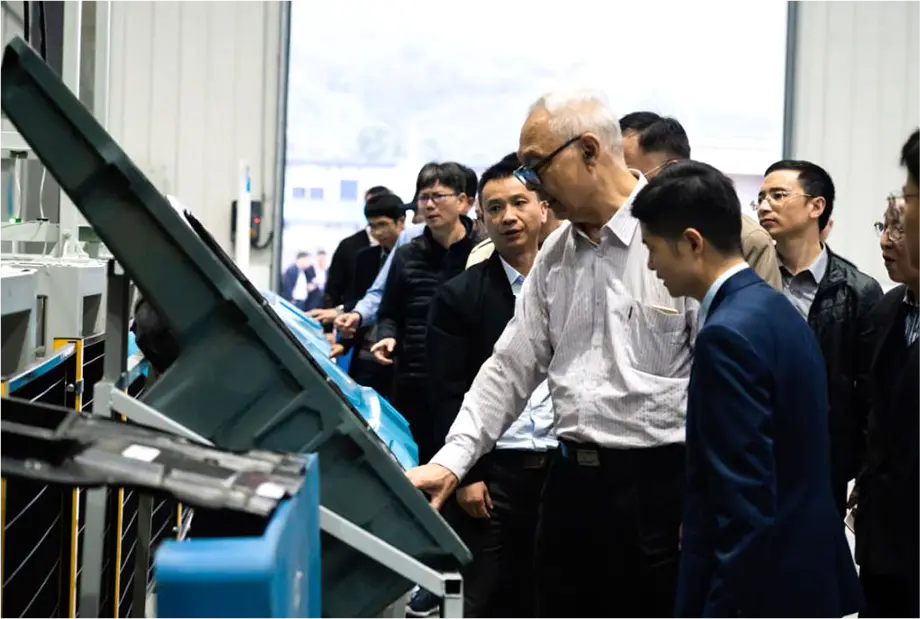
A delegation of Indonesian manufacturing customers visited Jiangdong Machinery to evaluate our production capabilities, product quality, and technical expertise, laying a solid foundation for new long-term project partnerships.
Read Article →
With the arrival of the new year, multiple international partners from countries including Thailand, Indonesia, and Malaysia have successfully visited Chongqing to finalize automated line purchases.
Read Article →
Chongqing Jiangdong Machinery, a leading enterprise in China's metal forming and advanced composite sector, announced its participation in the upcoming trade fair to show next-generation hot stamping solutions.
Read Article →Explore our custom design systems for superplastic alloys, composite paperboard, structural gas cylinders, and carbon fiber resins.