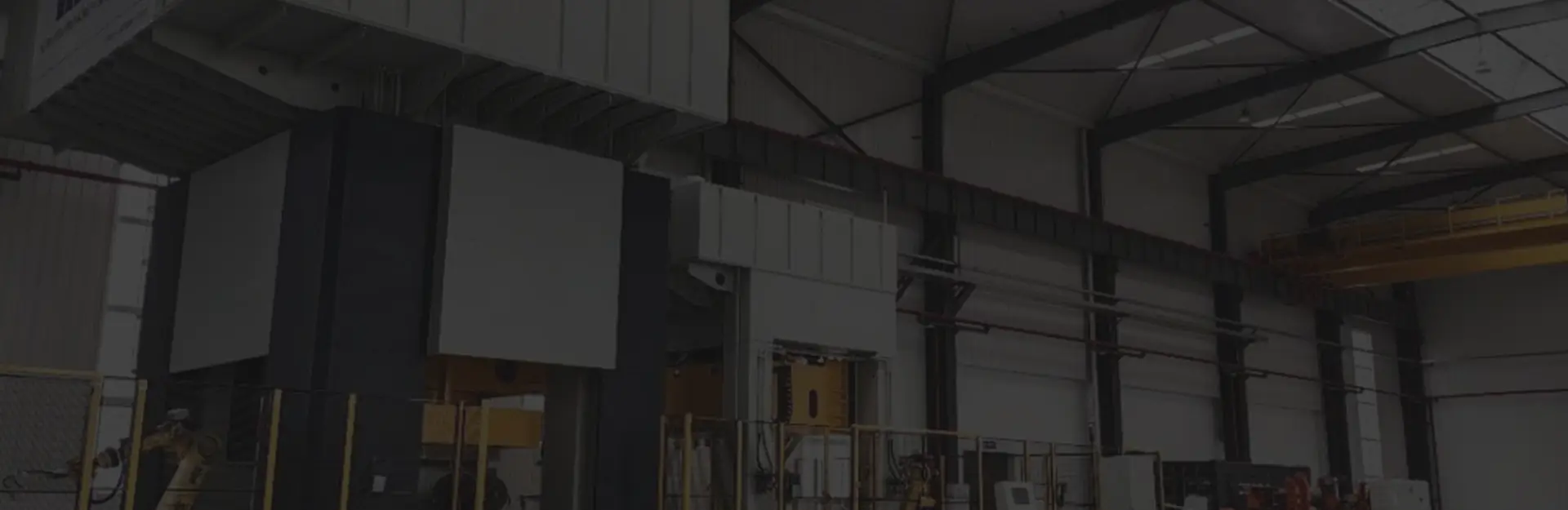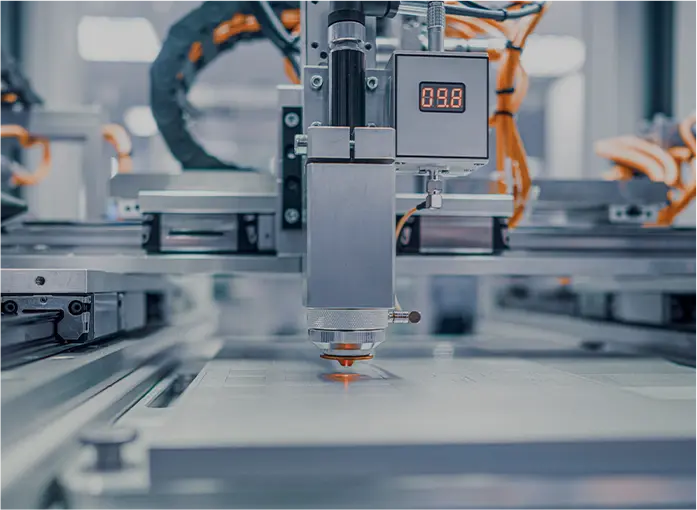
Industry-leading machinery engineered for precision stamping, metal forging, and specialized composite hot compression molding.
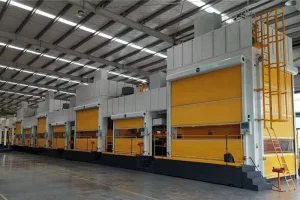
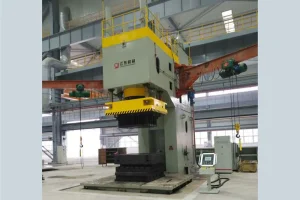
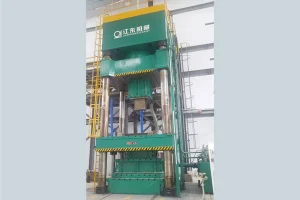
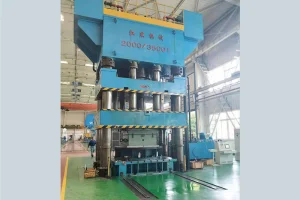
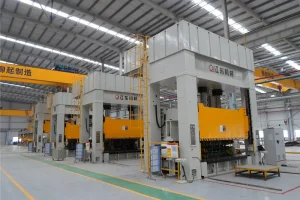
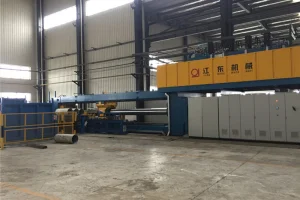
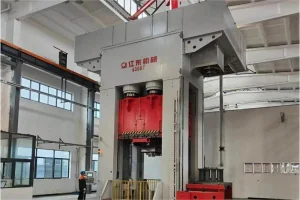
The modern heavy manufacturing sector operates under relentless pressure to optimize output quality while reducing carbon footprint and material waste. At the heart of this industrial transformation stands the four post hydraulic press (also commonly categorized as a 4-column hydraulic press). Originally designed for basic compression and structural stamping, this workhorse of sheet metal deformation has evolved into a highly integrated cyber-physical manufacturing cell.
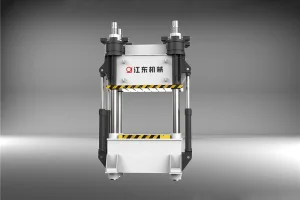
Unlike open-back or single-column C-frame presses, the four-post structural configuration ensures structural rigidity and minimized deflection under peak load. The four vertical columns distribute processing forces symmetrically, guaranteeing precise slide guiding and preventing uneven tool wear. As global lightweighting initiatives in the automotive and aerospace sectors gather pace, the demand for precision tooling compatibility has driven the development of active levelling systems and servomotor-driven hydraulic controls.
"According to European and Asian automotive manufacturing surveys, moving to closed-loop CNC controlled 4-column systems reduces raw material scrap rates by up to 22% while increasing structural stability during high-stroke cycles."
By integrating modern sensor matrices and real-time linear transducers, today's four-post presses boast positional accuracy deviations within ±0.01mm. This degree of dimensional precision is crucial for advanced processes like hydroforming, isothermal forging, and high-pressure resin transfer molding (HP-RTM).
Industrial procurement officers tasked with importing multi-million-dollar press machinery must balance capital expenditure (CAPEX) with long-term operational costs (OPEX). Selecting a reliable exporter goes beyond finding the lowest price tag; it requires evaluating the system's Total Cost of Ownership (TCO). A strategic buyer assesses the hydraulic press's cycle times, energy consumption patterns, and predictive maintenance capabilities.
In the global market, export quality standards serve as critical differentiators. Compliance certifications such as CE (Europe), OSHA (North America), and EAC (Eurasian Customs Union) are non-negotiable. They verify that the machinery meets rigorous safety thresholds under load conditions. Moreover, reliable exporters provide localized engineering integration, helping buyers seamlessly interface new hydraulic units with existing automated logistics systems, industrial robots, and decoiling production lines.
For global buyers planning capital deployment, the following table details indicative pricing matrices based on tonnage, control topology, and target application profiles:
| Tonnage Range | Control & Valve System | Primary Industrial Applications | Indicative Export Price Range (USD) |
|---|---|---|---|
| 100T – 500T | Proportional Hydraulic / Semi-Auto | Metal stamping, basic embossing, tooling tryouts | $35,000 – $95,000 |
| 600T – 1500T | Digital PLC / Servo Pump Drive | Deep drawing, composite compression molding (SMC/GMT) | $120,000 – $280,000 |
| 1600T – 3000T | Servo Closed-Loop / Multi-Axis Sync | Automotive structural framing, high-pressure gas cylinders | $350,000 – $750,000 |
| 3000T – 8000T+ | Custom CNC / Isothermal Controls | Aerospace structural alloys, heavy thermal forging | $900,000 – $2,500,000+ |
*Note: Final pricing depends on customized daylight heights, table bed sizes, stroke lengths, specific fast-closing speed parameters, and integration of industrial robotic arms.
The relocation of heavy machinery supply chains to high-precision manufacturing corridors in Southwest China—spearheaded by key centers like Chongqing—is driven by robust supply chain cluster benefits. Modern Chinese manufacturing plants have evolved from basic fabricators into integrated R&D nodes that spearhead Industry 4.0 design principles.
Chongqing Jiangdong Machinery Co., Ltd. (Jiangdong Machinery) illustrates this transition. Established in 1937, the company combines decades of heavy metallurgical engineering experience with state-of-the-art intelligent manufacturing frameworks. The integration of domestic high-strength casting foundries, localized hydraulic manifold machining, and digital engineering centers creates a resilient supply chain immune to global supply fluctuations.
Furthermore, Jiangdong Machinery's production output is backed by robust innovation metrics. Generating over 30 patents annually alongside 30 scientific research breakthroughs, our engineering teams consistently pioneer the lightweight forming sector. This domestic innovation loop ensures our hydraulic systems feature cutting-edge servo-hydraulic pumps, regenerative energy loops, and predictive vibration diagnostics.
Jiangdong Machinery delivers tailored solution packages, helping buyers transition from stand-alone machines to fully automated turn-key production lines. Below are the primary technological pillars we offer:
High-tonnage metal deformation systems for automotive panels and aerospace bulkheads.
Specialized thermal control and degassing features for lightweight fiber composites.
Ultra-precision forming for specialized industrial products and gas storage vessels.
The versatile four-post hydraulic press serves a variety of industrial environments across the globe:
A four-post design distributes loads symmetrically across the ram and bed. This configuration significantly reduces angular deflection under high pressure, maintaining precise parallelism between tool halves and preventing uneven die wear.
Conventional hydraulic presses run their main pumps continuously, wasting power during idle periods. Servo-hydraulic systems regulate motor speeds in real-time, matching pump output directly to the required stroke cycle phase. This integration reduces energy consumption by 30% to 50% and lowers oil temperatures, extending seal and component life.
While nominal tonnage is the primary cost factor, pricing is heavily influenced by the slide cylinder speed profile, custom bed dimensions, required auxiliary cushions, tooling compatibility, and the integration of automated feeding robots.
Every frame design undergoes rigorous Finite Element Analysis (FEA) to verify structural integrity under load. All structural welds are stress-relieved via heat treatment before final precision machining, ensuring long-term geometry retention.
Our modern press controls can be configured with secure IoT gateways. This integration allows our engineers in Chongqing to perform remote PLC updates, monitor hydraulic pressure trends, and troubleshoot system anomalies without delay.


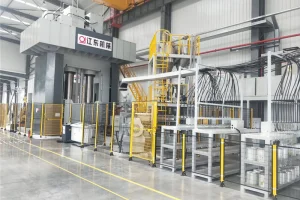
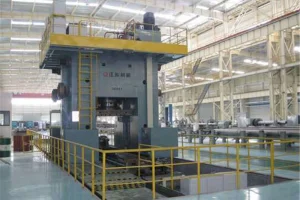
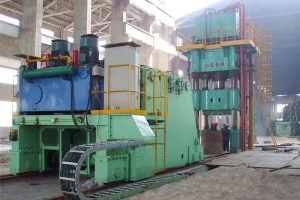
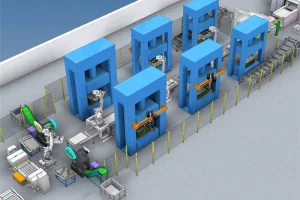
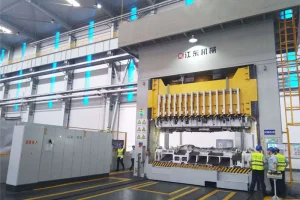
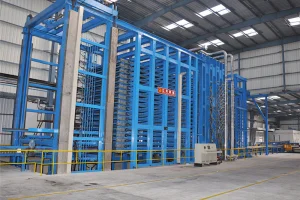
Explore our complete export directory of smart forming installations, sheet metal stamping units, and custom production lines.
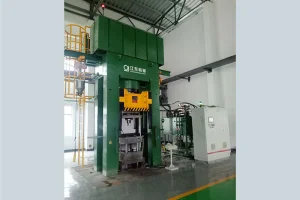
Stay updated on our global operations, international technical collaborations, and modern forming technology breakthroughs.
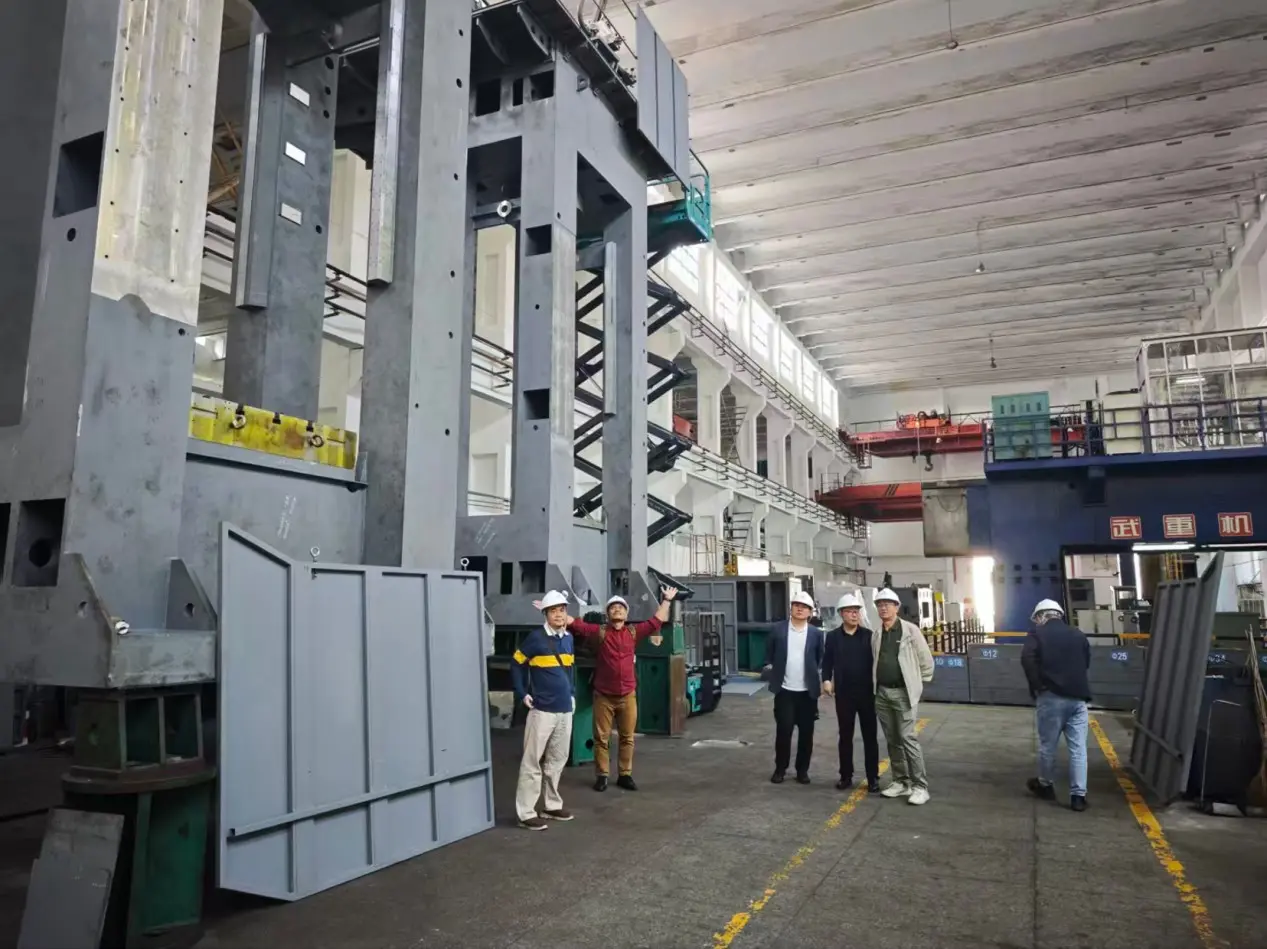
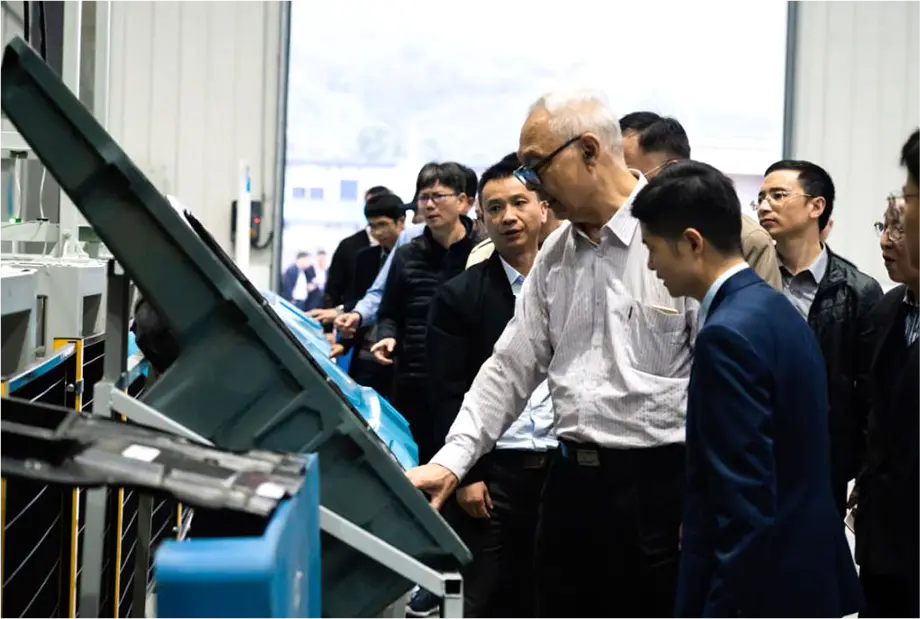
A delegation of Indonesian industrial partners inspected our precision casting workshops and assembly lines, signing new supply contracts for sheet metal stamping automation.
We hosted technical delegations to review our custom composite pressing and automated hydroforming capabilities, laying a solid foundation for regional automotive supply partnerships.
Jiangdong Machinery will present its latest developments in isothermal forging, hot stamping, and long-fiber reinforced thermoplastic forming at the upcoming industrial exhibition.
Partner with Chongqing Jiangdong Machinery to integrate advanced four-post hydraulic systems and automated solutions into your production facility.