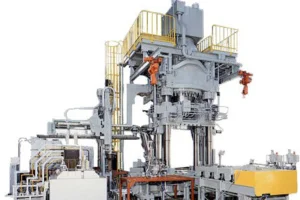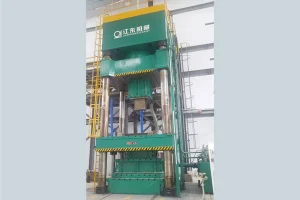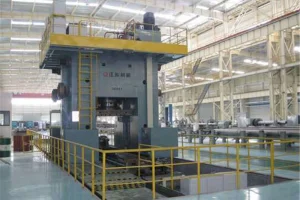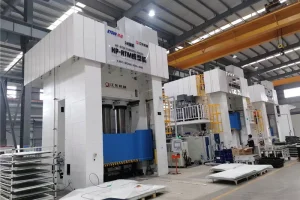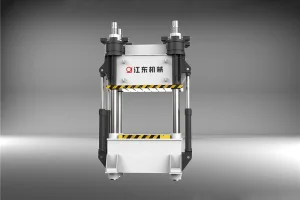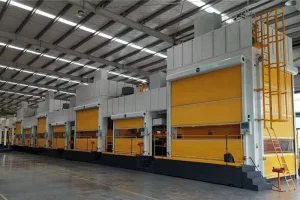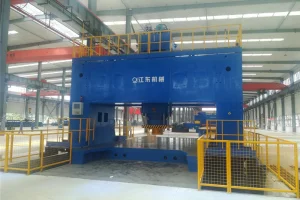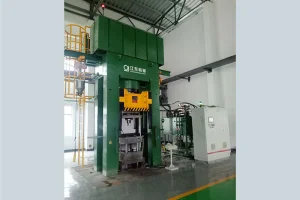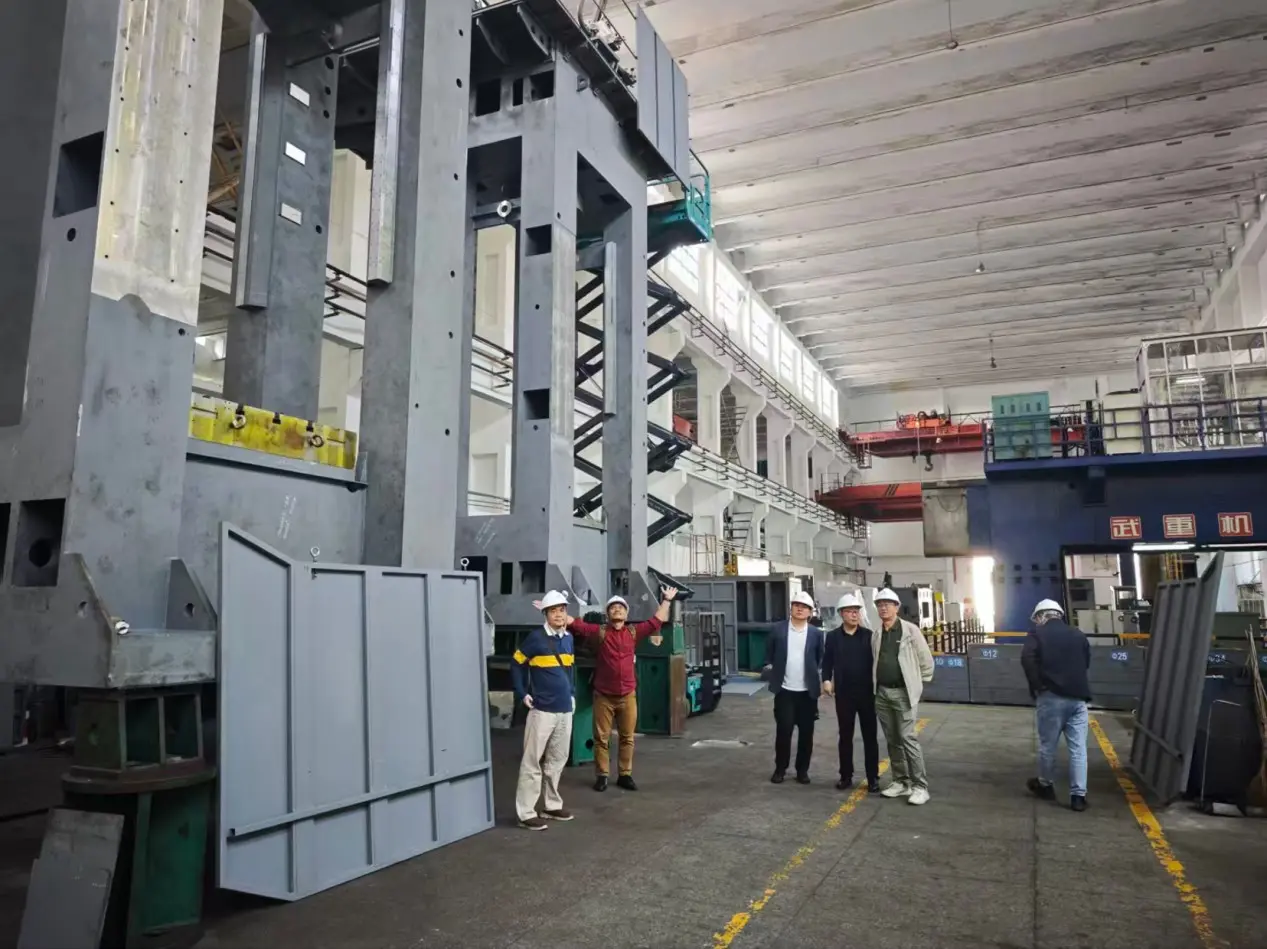
High-performance custom solutions engineered for complex metal alloys and composite structures.
Modern industrial engineering demands component designs that maximize strength while minimizing total weight. This has driven the industry toward the structural design of special-shaped parts. From hollow automotive chassis frames to complex aerospace structural bulkheads, traditional subtractive manufacturing (machining) is no longer viable due to high material waste, extended production times, and physical limitations. This is where advanced special-shaped parts forming machines become a critical necessity.
Manufacturers worldwide are seeking direct-factory pricing (often classified as "discounted" high-volume machinery procurement) to offset rising capital expenditures. Investing in high-performance hydraulic presses and specialized molding lines allows companies to achieve economies of scale. Currently, the commercial market is driven by automotive lightweighting mandates, aerospace structural optimization, and the rapid expansion of renewable energy systems—all requiring highly complex components formed from advanced high-strength steels, light alloys, and composite matrices.
The manufacturing paradigm is shifting towards regional hub self-reliance. North American and European industrial manufacturers are heavily focused on composite compression molding and hot stamping for lightweight vehicle platforms. In the Asia-Pacific region, there is massive demand for high-speed fine-blanking and isothermal forging capabilities to fuel the mass production of consumer electronics, automotive parts, and high-precision machinery. Understanding the technological route of these processes is paramount for modern factories looking to optimize their output.
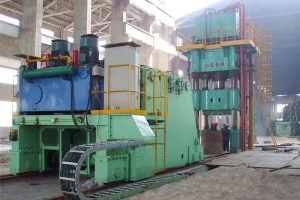
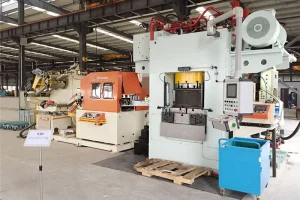
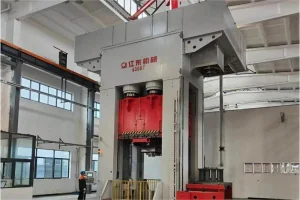
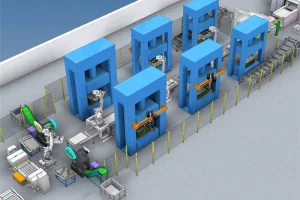
Engineered systems across three core domains: Metal Forging, Composites, and Specialized forming technologies.
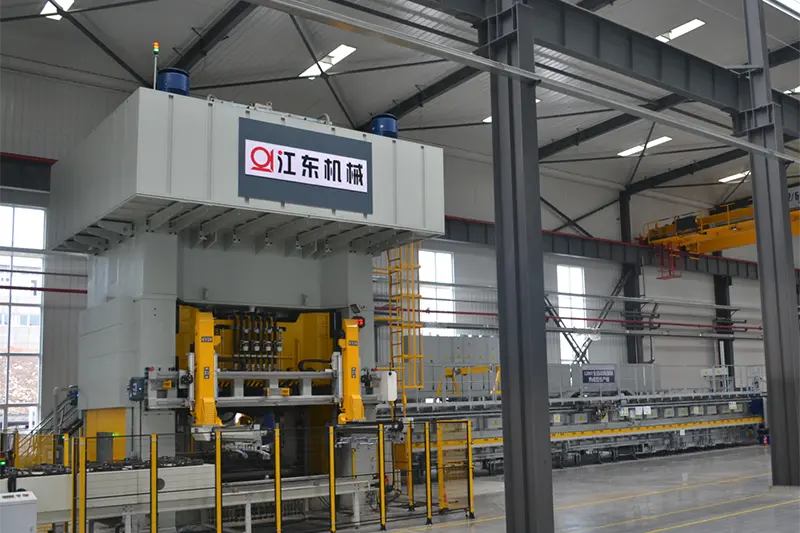
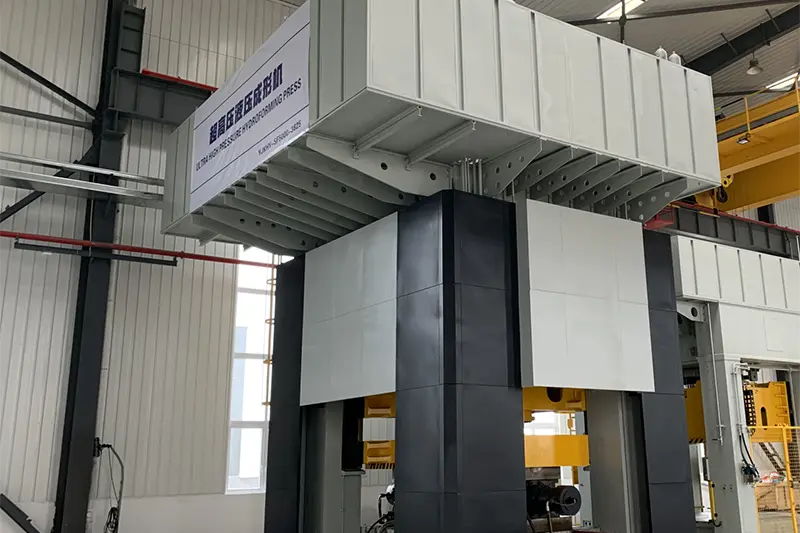
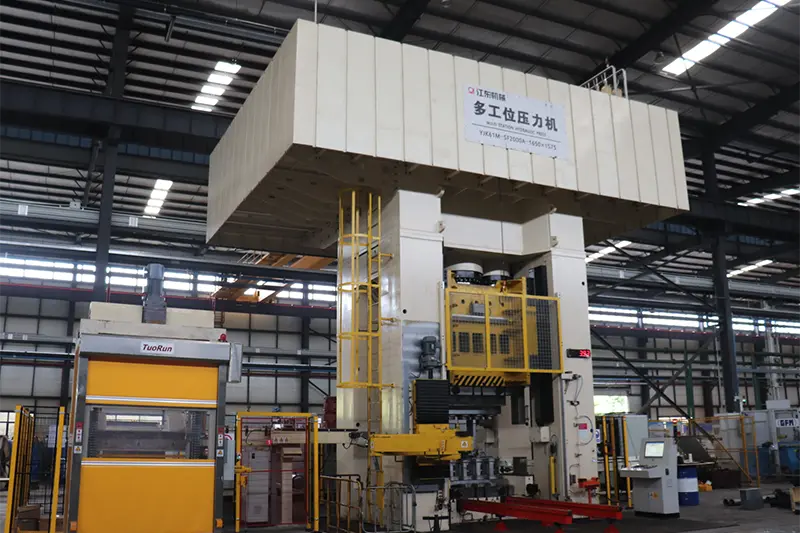
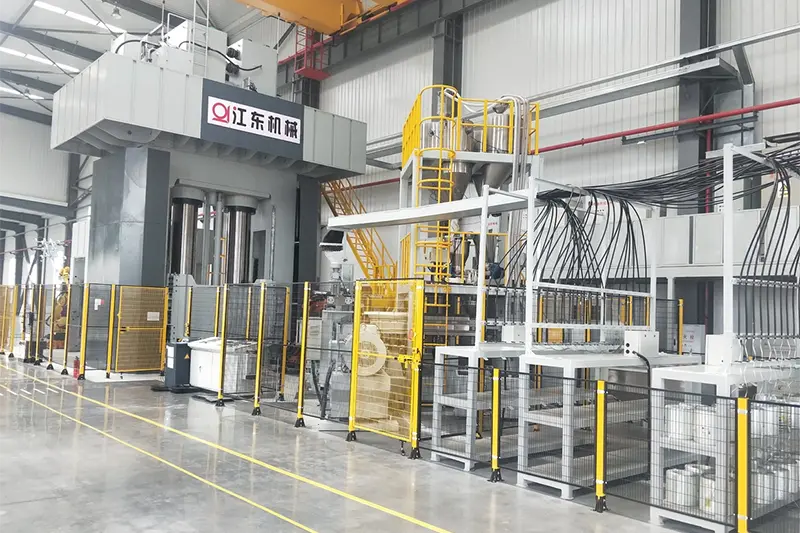
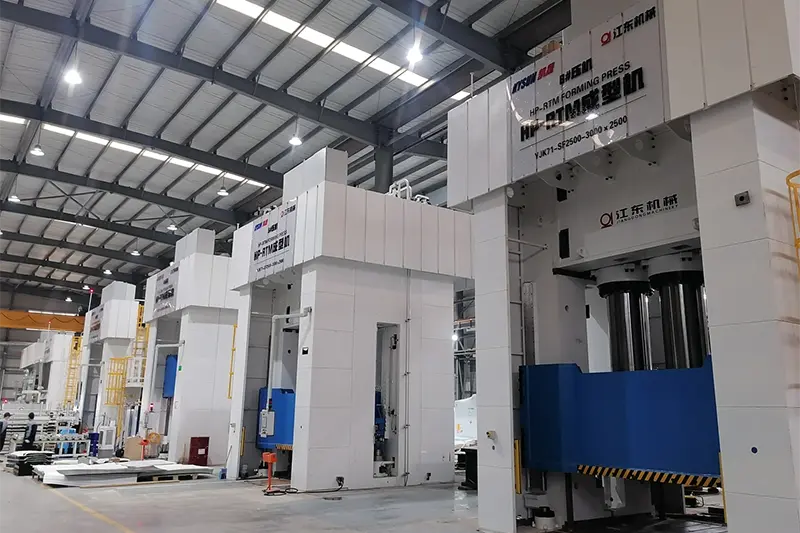
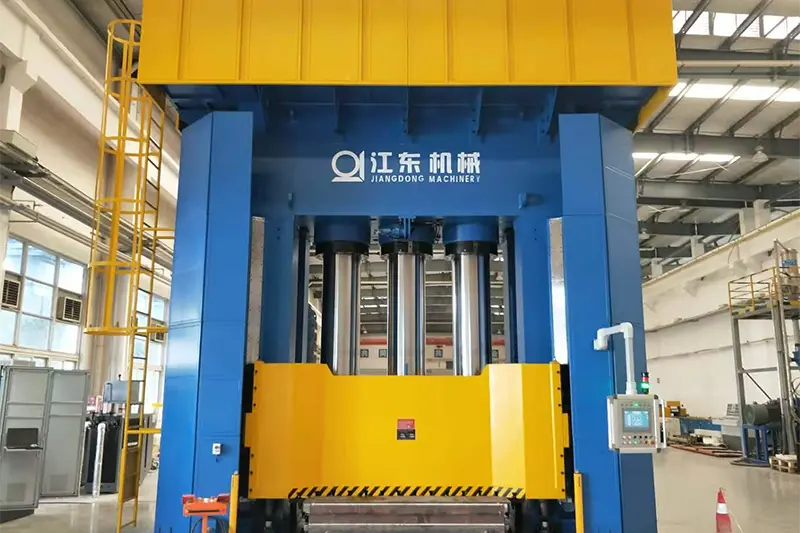
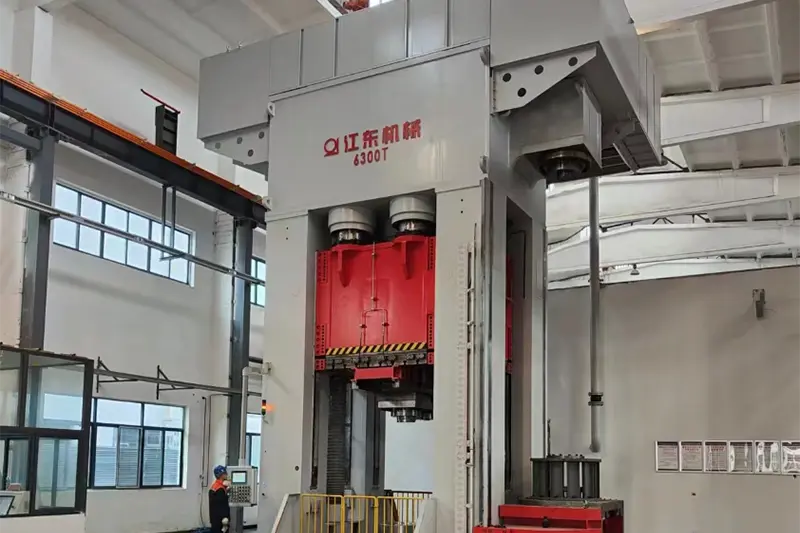
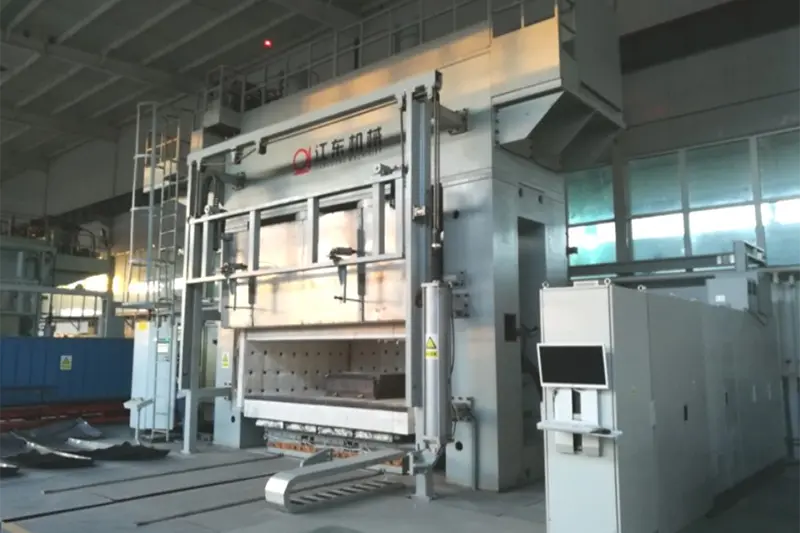
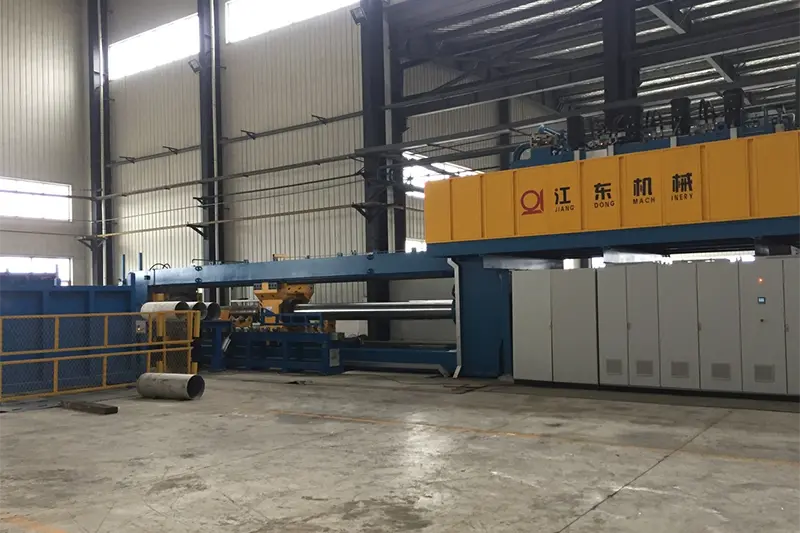
Achieving precise geometric accuracy in special-shaped components requires specific technological configurations. Below is an engineering review of the methods applied by leading manufacturers to satisfy aerospace, defense, and automotive standards.
Hydroforming utilizes high-pressure hydraulic fluids to expand tubular raw material into a surrounding die cavity. This technique is ideal for structural parts with variable cross-sections. Jiangdong Machinery integrates precise closed-loop servo control systems that balance internal pressure (reaching up to 3000 bar or more) with axial feeding. This ensures uniform wall thickness and prevents early wrinkling or tensile fractures.
In hot stamping, Boron steel alloys are heated to austenitization temperatures (approx. 900-950°C), transferred to water-cooled dies, and simultaneously formed and quenched. This yields martensitic microstructures with tensile strengths exceeding 1500 MPa. Our production lines combine fast transfer systems with multi-zone temperature monitoring to minimize transfer times and achieve uniform cooling.
Lightweight structural components increasingly rely on fiber-reinforced polymer matrices. The primary technologies include:
For titanium and aluminum alloys used in aerospace, superplastic forming (SPF) and isothermal forging are the standard methods. By maintaining the die at the same temperature as the workpiece, temperature fluctuations are minimized. This eliminates thermal stress gradients, allowing for the precise forming of complex geometries with minimal springback.
Turnkey industrial installations designed to match modern production demands.
Closed-loop, high-pressure fluid forming designed for complex hollow components and tubular frame configurations.
Automated high-temperature forming lines for high-strength boron steels, achieving reliable tensile strength properties.
High-efficiency progressive forming technology utilizing multi-station transfers for high-volume parts production.
Near-net shape production systems optimized for advanced structural light alloys in the aerospace sector.
Complete mold tooling and hydraulic presses configured for lightweight composites forming (carbon fiber/fiberglass matrices).
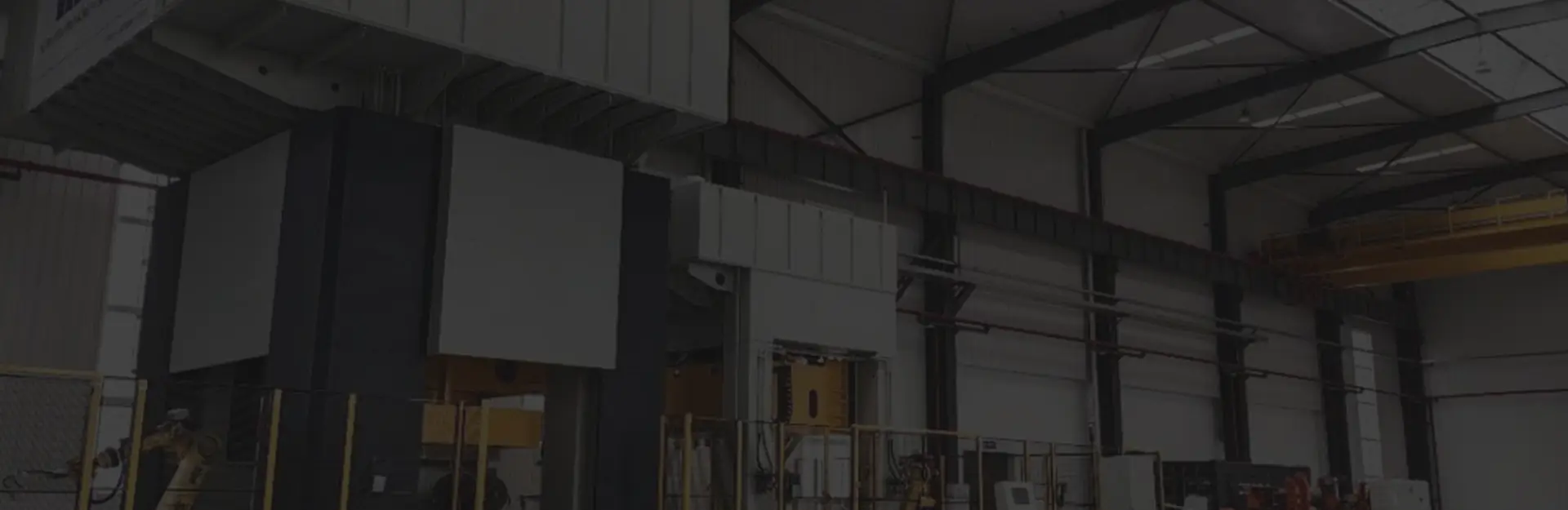
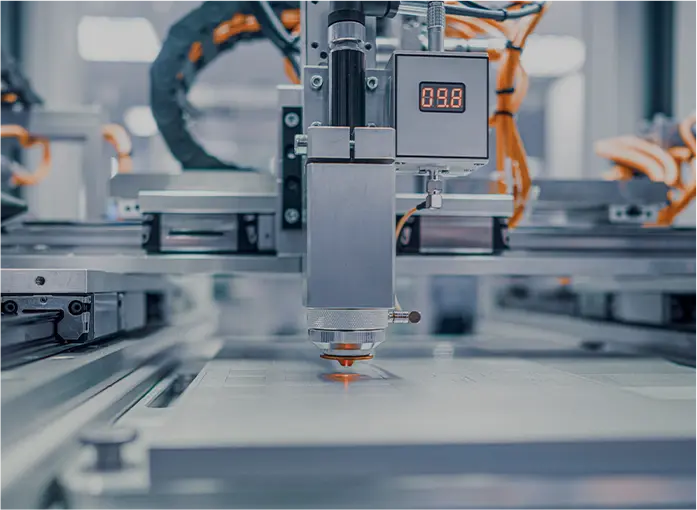
Chongqing Jiangdong Machinery Co., Ltd. (Jiangdong Machinery) is an integrated manufacturing enterprise specializing in the R&D, production, sale, and servicing of hydraulic presses, lightweight forming technologies, specialized automotive structures, hot and cold stamping tooling, and precision castings. Our systems are engineered to support automated, flexible, and digitalized production. We provide comprehensive mechanical forming solutions tailored to help global partners reduce operational costs and improve manufacturing yields.
View Corporate History & CapabilitiesEngineering assistance, custom manufacturing setups, and lifetime maintenance support.


Implementing special-shaped parts forming machinery requires tailoring systems to local market conditions, supply chain structures, and regulatory environments.
In highly regulated markets such as Germany, the United States, and Japan, localized production facilities prioritize system integration (including robotic loading, optical inspection systems, and manufacturing execution interfaces). In contrast, emerging manufacturing hubs are increasingly focusing on cost-per-part efficiency. For these regions, our direct-manufacturer machinery options provide robust mechanical structures with high configuration flexibility, allowing local operators to scale production capacity incrementally.
Our research and development program centers on four main technological pillars:
Detailed answers to technical questions concerning special-shaped parts forming machinery.
Cost efficiency is achieved by standardizing hydraulic manifolds, purchasing raw steel in volume, and optimizing assembly workflows. It does not mean reducing quality. Advanced elements like hydraulic pumps, PLCs, and seals are sourced from international brands to maintain system reliability.
Hydroforming uses high-pressure fluid as the active forming media on one side of the sheet or tube, which distributes pressure more evenly. This reduces local friction and thinning, allowing for deeper draws, tighter radii, and more complex geometries than traditional mechanical dies.
Key variables include mold cavity temperature profiles, pressure rise times, and press close speeds. Precise speed profile control is required to prevent fiber shearing and dry spots, ensuring the matrix fills the tool cavity evenly.
We design dies using hot-work tool steels and nickel-base superalloys that withstand high, sustained temperatures. The press uses thermal insulation barriers and active water-cooling loops in the main frame to isolate the hot platens and prevent structural deformation of the press frame.
Heavy-duty, high-accuracy forming systems configured for demanding plant floor environments.
Read our latest reports on technological innovations and customer partnerships.
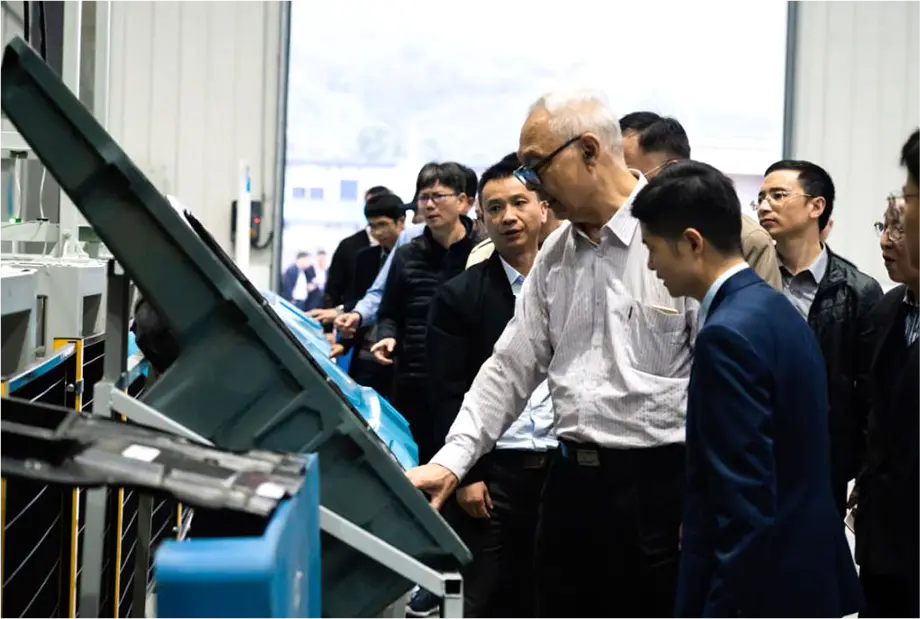
The visit focused on exploring custom tooling and deep draw sheet metal forming line configurations, laying the foundation for long-term supply agreements.
Partners from Thailand, Indonesia, and Malaysia visited to review and approve customized machinery shipments for regional automotive parts production.
A summary of Jiangdong Machinery's upcoming exhibition showcases, detailing demonstrations of smart hydroforming and lightweight composite press lines.
Collaborate with our technical staff to design, simulate, and configure the optimal forming system for your specific application requirements.