
Premium-grade metal forming systems designed for high-stiffness automotive manufacturing, aerospace parts, and complex structural press operations.
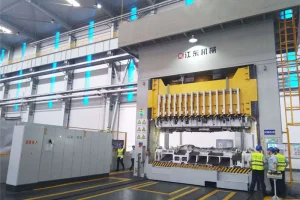
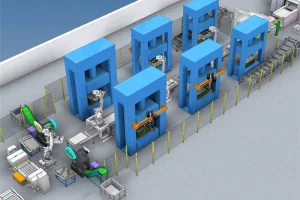
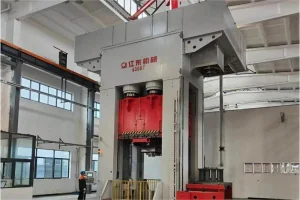
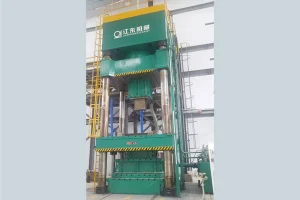
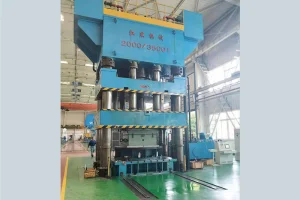
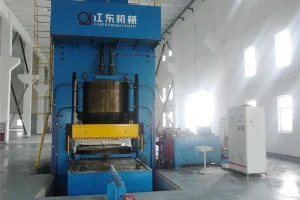
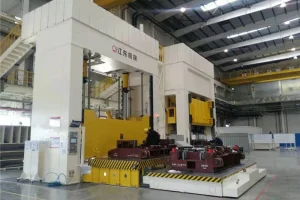
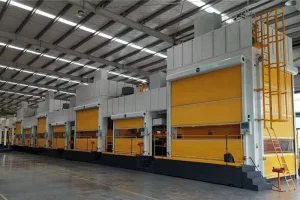
The manufacturing sector is witnessing an unprecedented transition to high-capacity heavy machinery, driven by the global imperative for lightweight design in transportation, structural safety in aerospace, and structural density in subsea installations. China's top-tier manufacturers, notably Chongqing Jiangdong Machinery Co., Ltd. (Jiangdong Machinery), have pioneered research and development inside this eco-system. By offering large-scale aluminum extrusion press machinery featuring up to 100MN and beyond, we satisfy the rigid tolerance margins demanded by Fortune 500 automotive suppliers and national engineering teams.
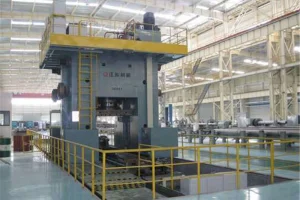
Modern high-capacity extrusions demand structural frames that can withstand billions of pressure cycles. Traditional tie-rod frameworks are susceptible to fatigue cracking under eccentric loading conditions. Jiangdong Machinery utilizes advanced prestressed wire-wound frame configurations for super-heavy presses. This structure pre-compresses the critical stress components, completely eliminating tension spikes during heavy operations and increasing structural life profiles by over 200% compared to traditional configurations.
The roadmap for heavy extrusion machinery relies heavily on advanced hydraulic-to-servo conversions. The Integration of variable displacement radial piston pumps coupled directly to digital servo motors allows for direct volume control, bypassing traditional high-heat valve configurations. This architectural improvement results in a drastic drop in energy demand while providing micro-millimeter precision in ram speed coordination during critical profile extrusions.
Deploying global-standard engineering solutions to achieve minimal weight with maximal component stiffness.
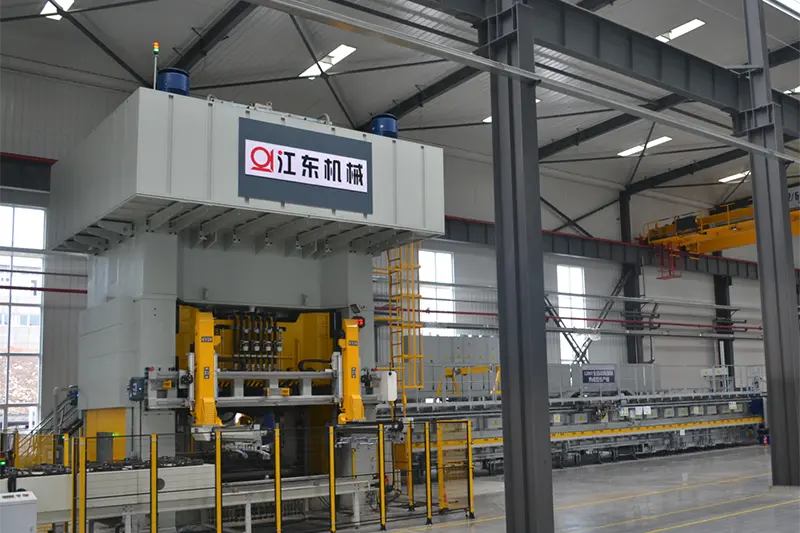
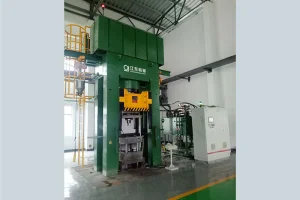
Engineered for high-strength steel forming, facilitating rapid heating, forming, and in-die quenching processes in a single synchronized cycle to maximize mechanical efficiency.
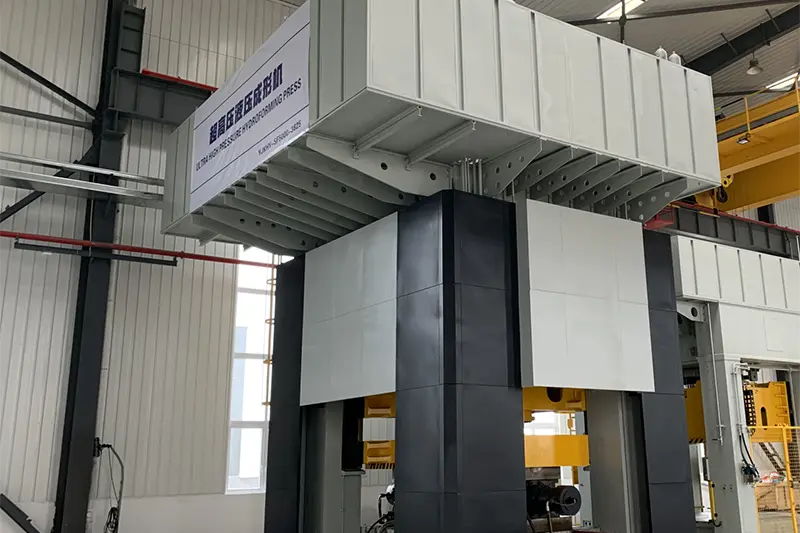
Enables complex tube-shaped structures to be expanded via high liquid pressure, maintaining wall thickness consistency across complex multi-dimensional profiles.
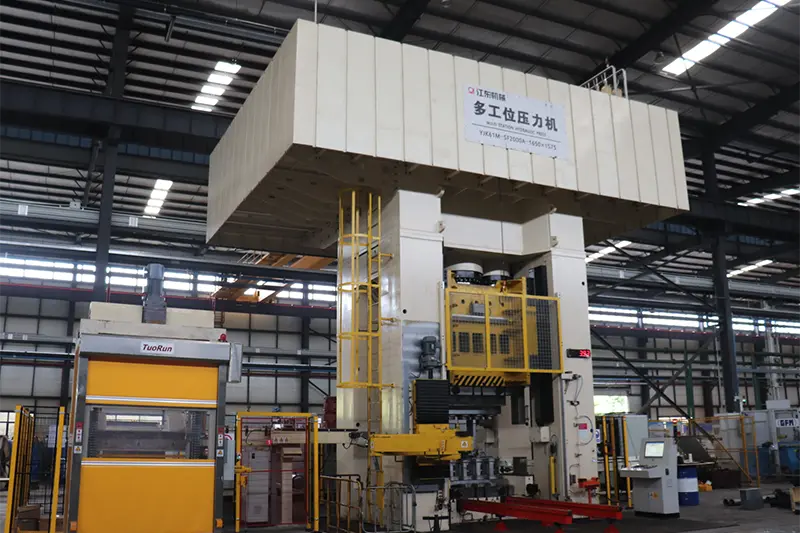
Continuous forging cycles featuring automated part transfer systems to reduce mechanical cycle times and optimize raw material utilization.
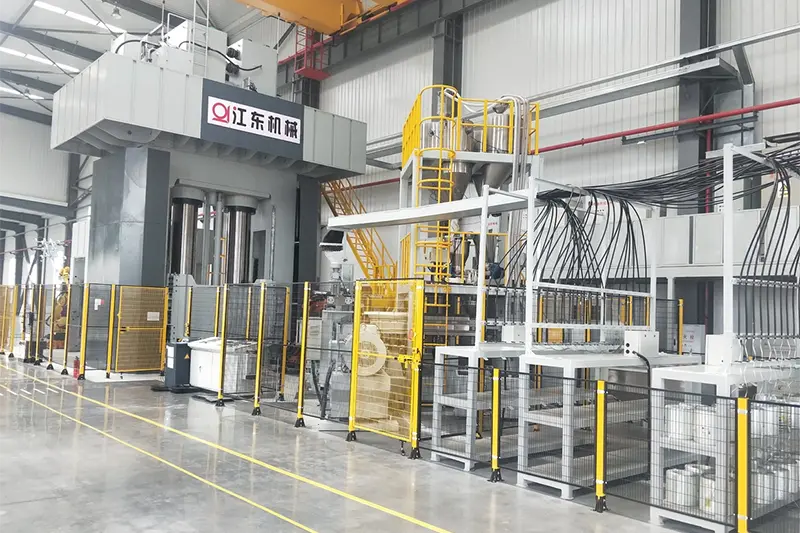
Direct processing of compounding systems to shape fiber-reinforced composite components with rapid cooling and excellent mechanical properties.
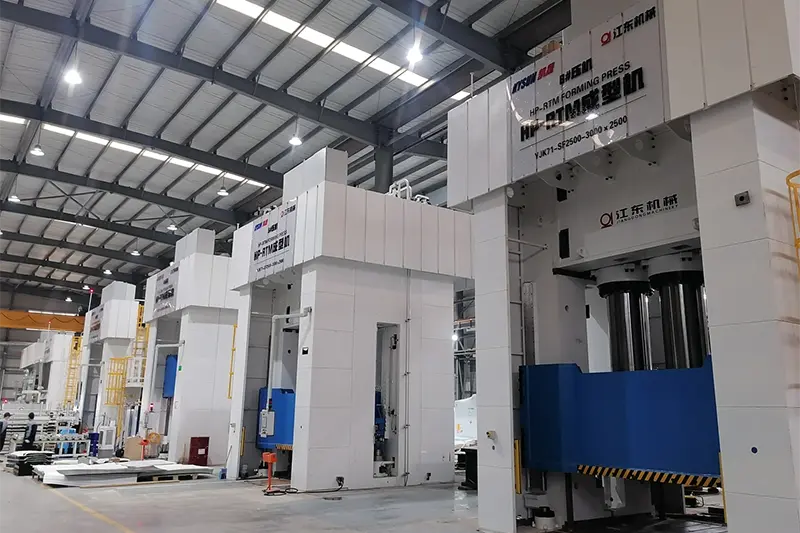
Perfect for carbon-fiber structures, injecting resin inside molds under controlled velocity limits to ensure void-free composite curing cycles.
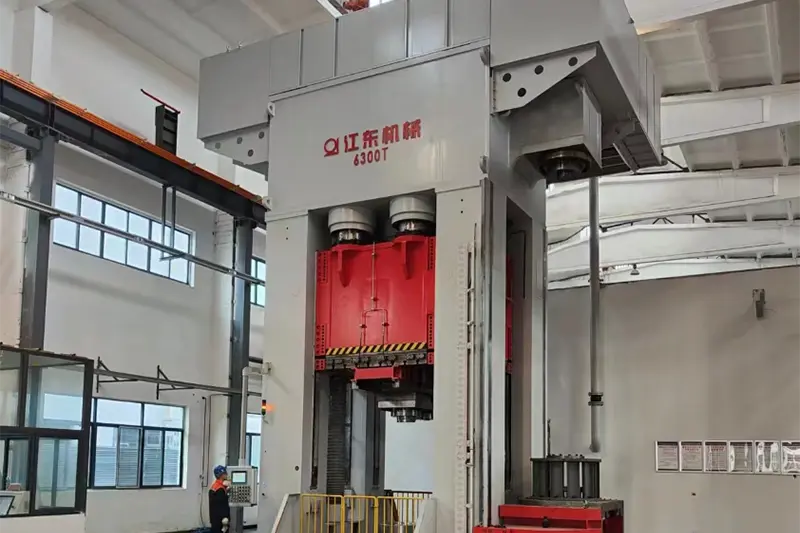
Maintains workpiece and die components at identical temperatures to enable the deformation of difficult-to-form titanium and magnesium alloys without cracking.
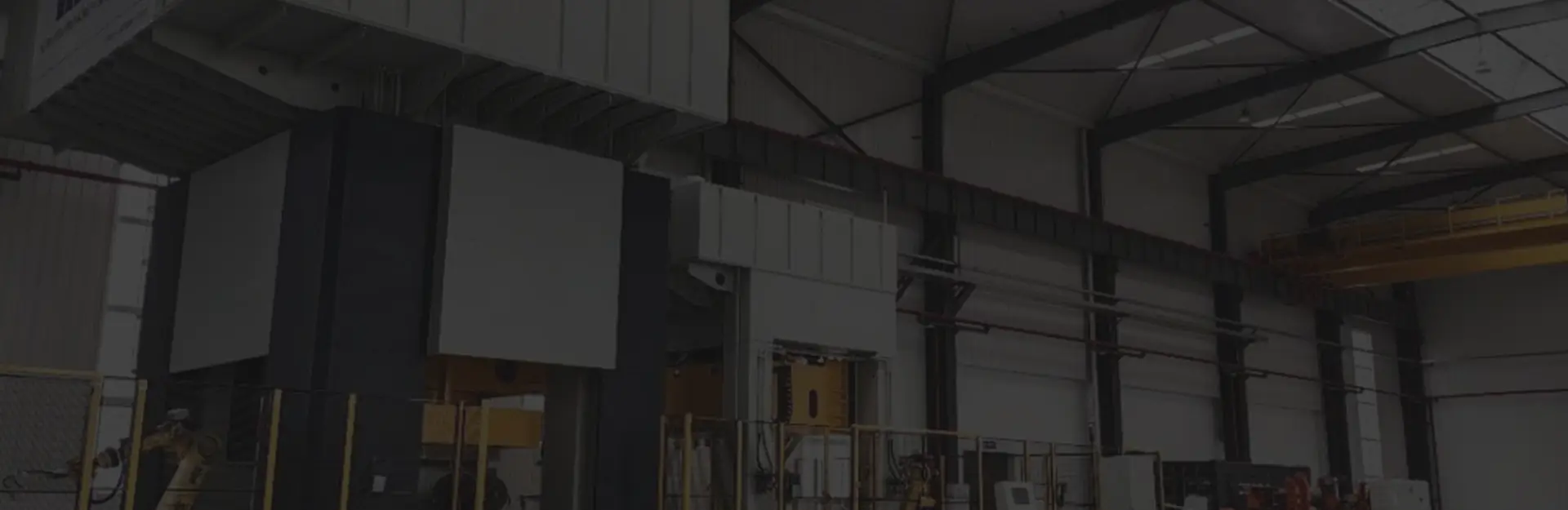
Established as a pioneering force in heavy industrial fabrication in 1937, Jiangdong Machinery has grown to become a comprehensive engineering conglomerate. We integrate R&D, structural design, metal casting, fabrication, and final testing under a unified management framework. This deep vertical integration insulates our manufacturing timeline against third-party bottleneck risks.
Our heavy equipment facility specializes in providing complete "one-stop" system solutions. Our core focus centers around automobile lightweighting, providing both the machinery and the integrated tooling components required to move immediately into mass-production. By managing the metallurgy, machining, hydraulic block assembly, and logic programming in-house, we secure stable delivery schedules and lower procurement costs.
Our technical capabilities range from single stamping systems to fully integrated automated production lines. Here is an index of our capabilities in automotive and general industrial sectors:
Hydroforming and hot gas expansion forming technology designed for processing complex hollow parts with minimal raw material scrap ratios.
High-efficiency thermoforming systems equipped with fast cooling channels to form high-strength structural profiles.
Integrated SMC, LFT-D, and HP-RTM forming solutions for composite components, offering high structural stiffness with lower mass.
Purchasing heavy machinery involves complex technical and logistical evaluations. When evaluating equipment, it is important to analyze cost structures beyond the initial capital expenditure. Sourcing heavy machinery from China offers substantial value when working with a verified manufacturer that adheres to global structural standards.
The cost profile of a heavy extrusion press or multi-station hydraulic press depends on three main variables:
When selecting a manufacturer, prioritize suppliers who provide both the hydraulic machinery and the mold tooling design. Chongqing Jiangdong Machinery provides complete system integration, testing the press and tooling together prior to shipment. This approach ensures compatibility and shortens the startup timeline at the customer's facility.
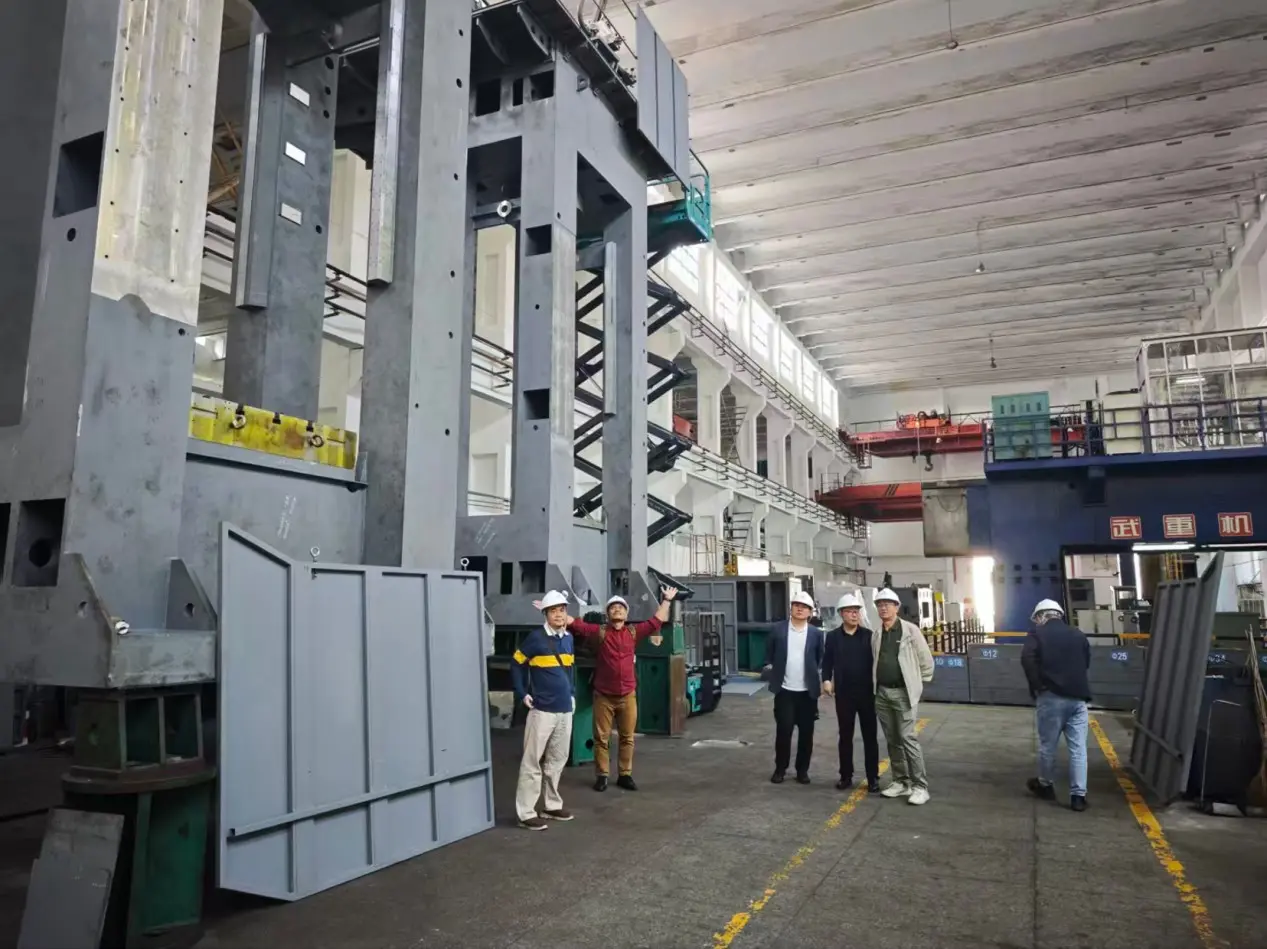 Partnership Visit
Industrial delegates toured our sheet metal forming manufacturing floor to confirm production capability and technical standards for upcoming projects.
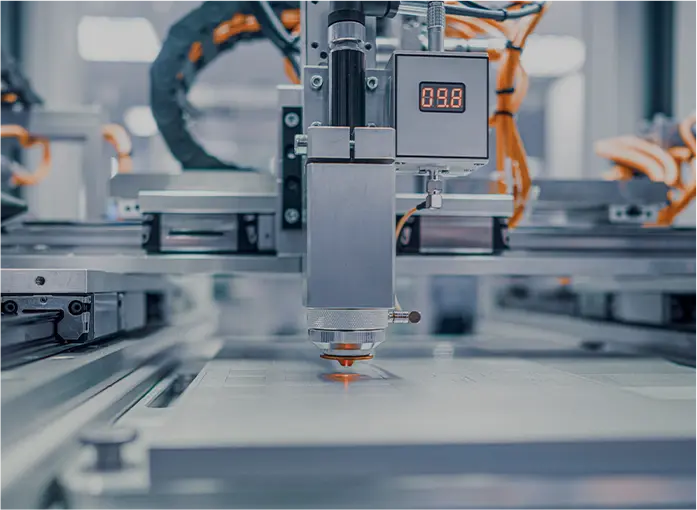
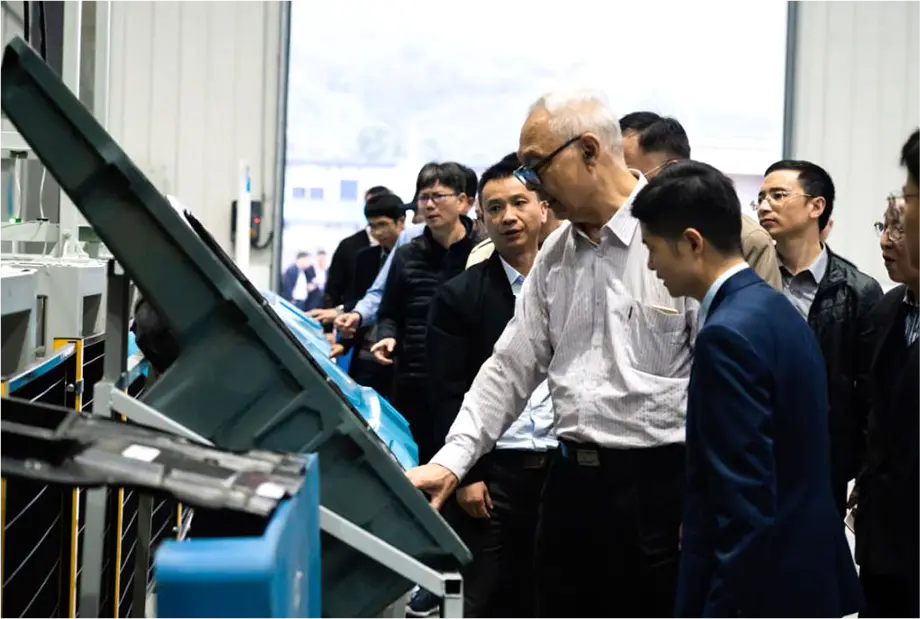
Industrial buyers from Thailand, Indonesia, and Malaysia visited our assembly facilities to observe testing of composite forming machinery.
Chongqing Jiangdong Machinery continues to demonstrate advanced forming and metal structural engineering technologies at international manufacturing exhibitions.
Read Press Releases →Minimizing downtime through structured commissioning support, remote diagnostics, and local technical teams.


The price is primarily determined by three factors: the maximum press force (tonnage), the size of the billet container, and the level of auxiliary automation (such as billet loaders, pullers, and cooling tables). Custom requirements, like isothermal extrusion control loops and special alloy profiles, also affect the cost.
We use prestressed wire-wound frame technology on our heavy presses. This construction technique reduces fatigue failure risks by wrapping the frame in high-tensile steel wire. This keeps the core structural elements under compression, even at maximum pressure, extending the service life of the press.
In direct extrusion, the press ram pushes the billet through a stationary die, creating friction between the billet and the container wall. In indirect extrusion, the die is mounted on a hollow stem that presses into the billet, reducing friction. This makes indirect extrusion suitable for hard alloys (such as 7000 series aluminum) but limits the maximum profile width.
Our machinery is designed and manufactured to meet major global regulatory standards, including CE certification for European markets, UL-compliant electrical panels, and local pressure vessel regulations (like ASME). Safety mechanisms include dual hydraulic circuit interlocks, optical safety curtains, and certified safety valves.
We use industrial PLC networks combined with high-precision closed-loop control systems. These monitor real-time pressure, ram position, and temperature variables, adjusting flow rates in milliseconds to ensure consistent profile geometry and surface finish quality.
Yes. We offer composite forming technologies (HP-RTM, LFT-D, and compression molding) that can be integrated with existing raw material prep stations, robotic parts handlers, and post-cure trimming systems to create fully automated assembly cells.
We provide remote diagnostic support via secure VPN interfaces, allowing our service team to resolve programming issues directly. For mechanical maintenance, we work with localized partner organizations and dispatch field service engineers for scheduled inspections and repairs.
For custom, large-scale presses (over 50MN), the manufacturing timeline typically ranges from 8 to 12 months. This includes design engineering, component casting, machining, assembly, and pre-delivery testing. On-site commissioning at the client's facility takes an additional 4 to 8 weeks, depending on the complexity of the auxiliary equipment.
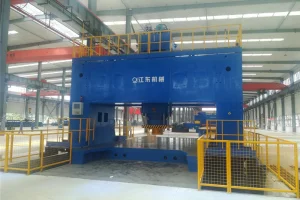
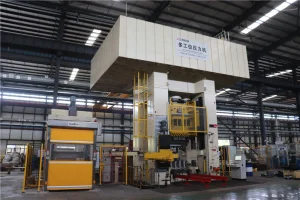
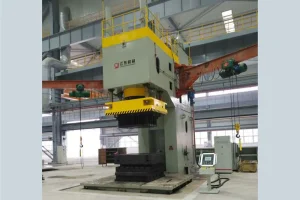
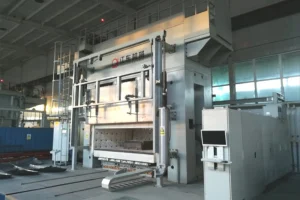
Heavy machinery solutions including forging, straightening, and composite compression presses for industrial applications.
Work with our technical sales team to configure a system that fits your production requirements, material parameters, and budget.