Understanding Sourcing Intention: The Real Paradigm of "Cheap" Large Machinery
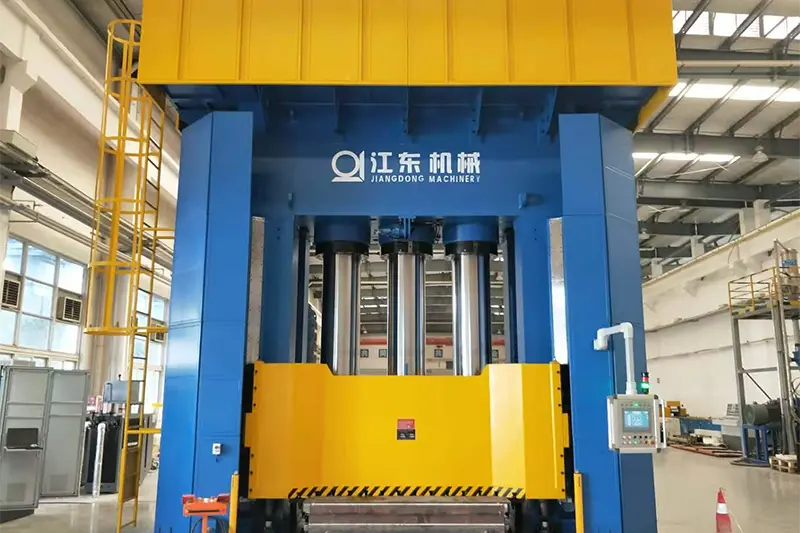
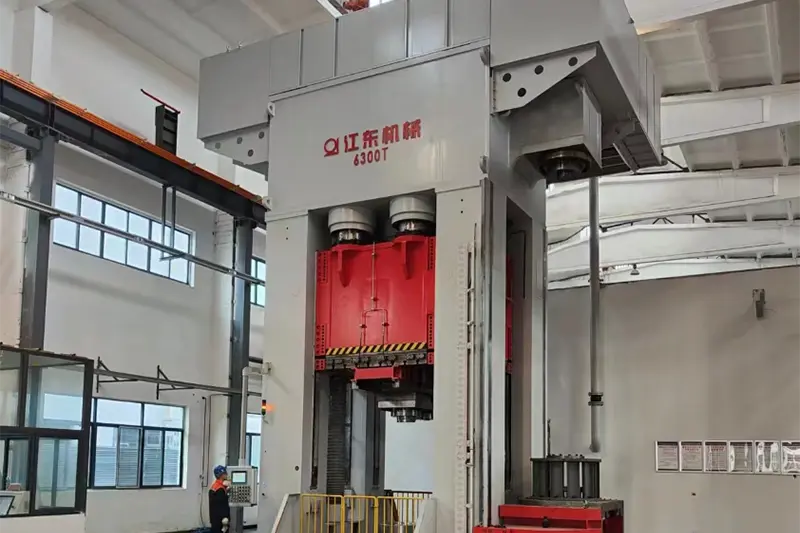
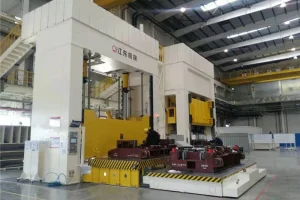
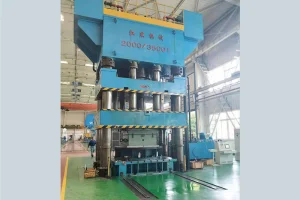
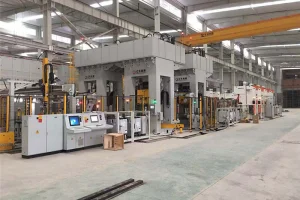
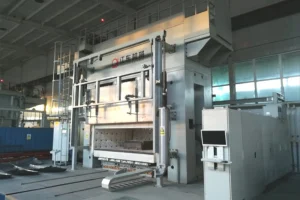
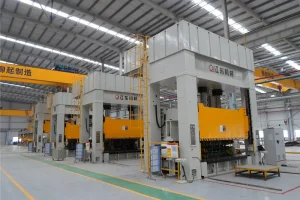
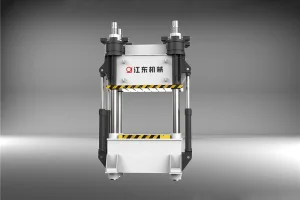
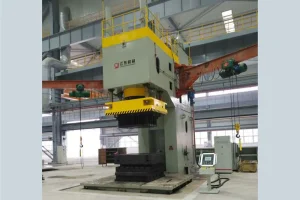
In the procurement of capital equipment like heavy-duty hydraulic presses, stamping machines, and specialized composite forming lines, the keyword "cheap" is often misunderstood. For engineering directors and supply chain professionals, cost efficiency is not defined by cutting corners on structural steels, valves, or safety PLCs. Rather, it represents the optimization of manufacturing efficiency, integrated design practices, and geographic cluster advantages.
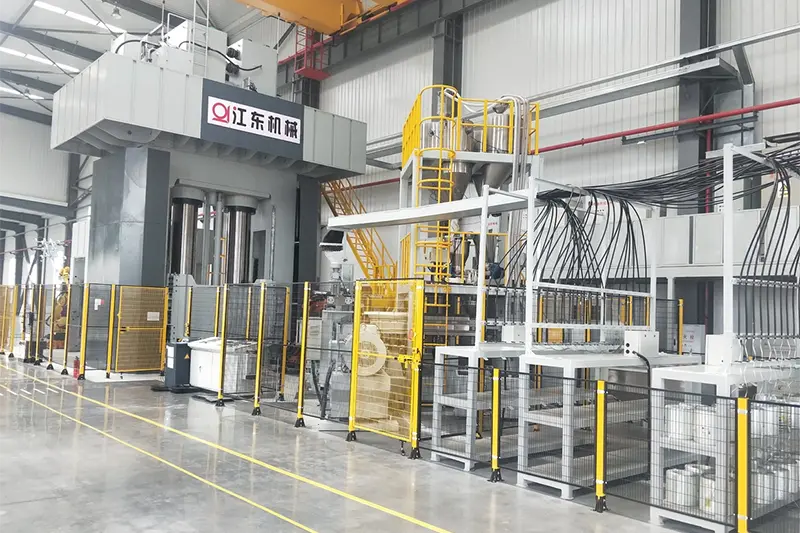
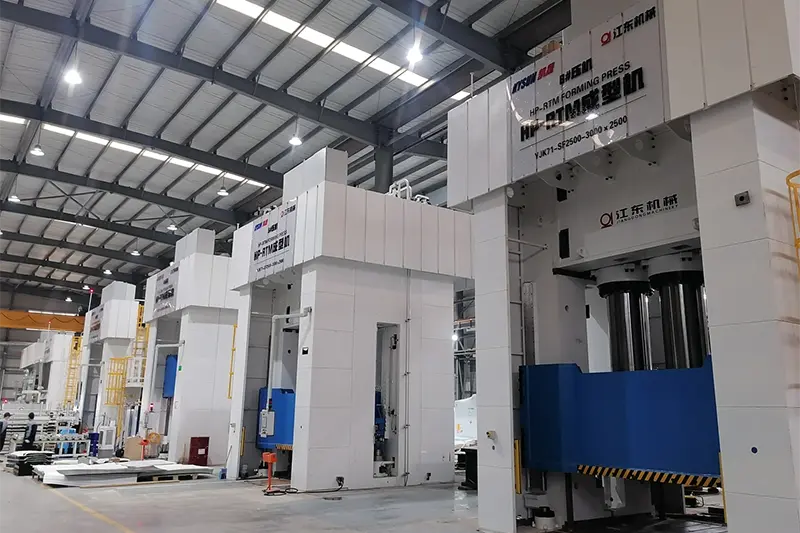
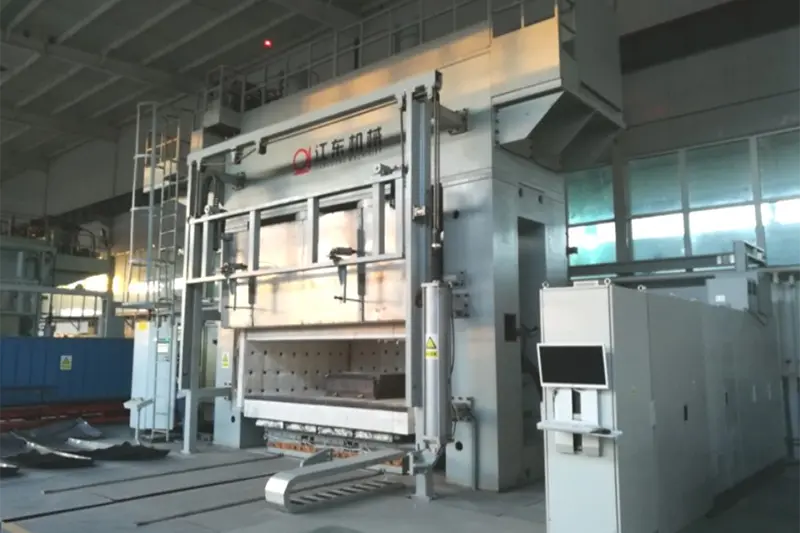
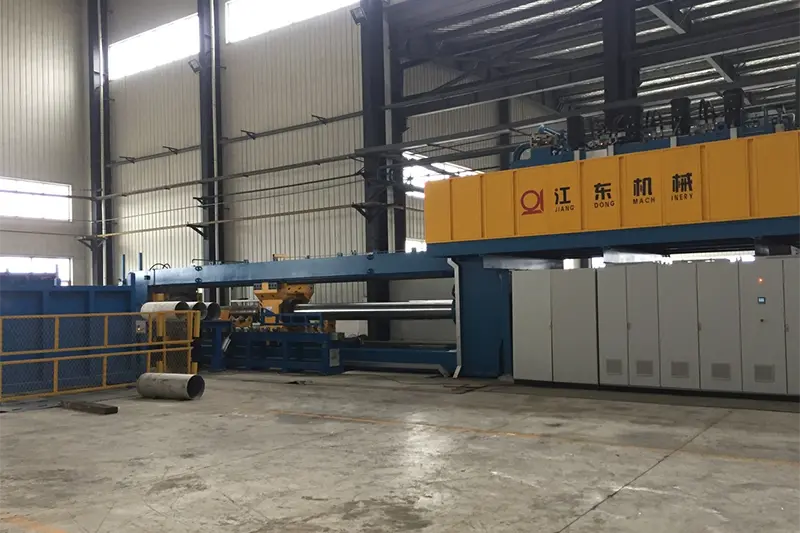
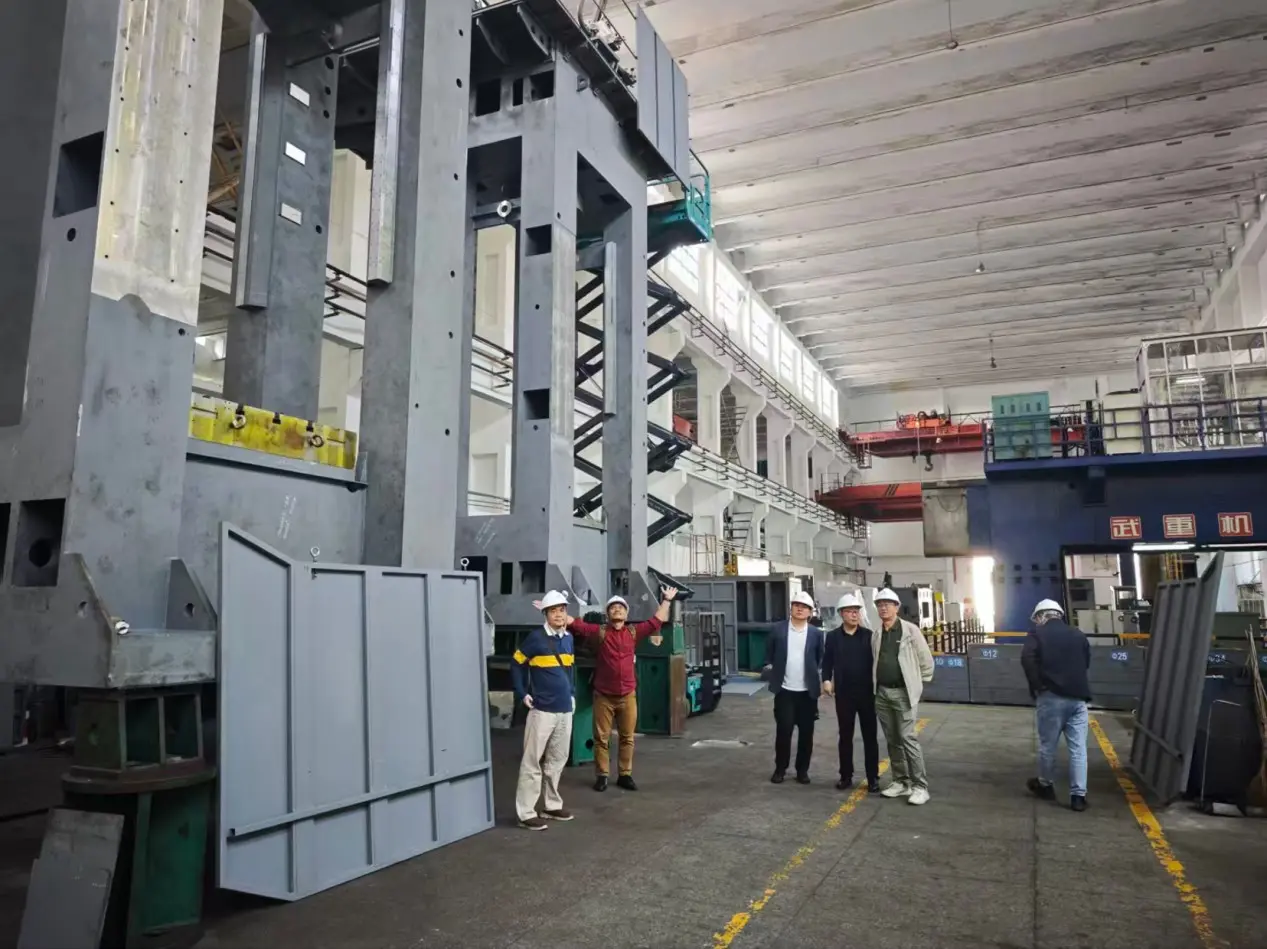
By leveraging vertically integrated supply chains, automated casting lines, and highly specialized structural engineering, Chinese heavy machinery manufacturers like Chongqing Jiangdong Machinery Co., Ltd. (Jiangdong Machinery) can deliver premium forming technology. This provides up to a 40% reduction in upfront capital expenditure (CAPEX) without sacrificing CE compliance, precision, or operational lifetime.
1. The Value Formulation of Modern Heavy-Duty Machinery
When analyzing cost-efficiency in large machinery, procurement departments utilize a multidimensional valuation matrix that covers three distinct phases:
| Cost Category | Traditional Sourcing Model | Jiangdong Cost-Efficiency Sourcing Model | Impact on TCO |
|---|---|---|---|
| Initial Capital Outlay | High design markup, expensive local labor, premium pricing on standard hydraulic blocks. | Optimized modular design, highly localized component clusters, direct factory-to-port logistics. | 30% - 45% CAPEX savings. |
| Operational Expenditure (OPEX) | Heavy energy consumption, standard direct-drive hydraulic pumps with high heat loss. | Integrated energy conservation, smart servo-drive systems, thermal recuperation. | Up to 50% reduction in electrical overhead. |
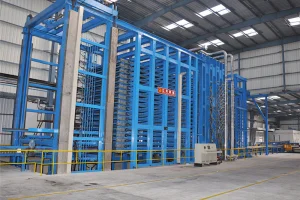
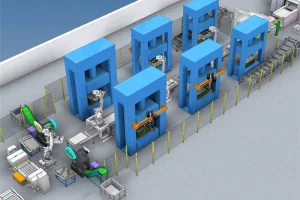
| System Integration Costs | Third-party system integrators required for raw materials handling and robotic loading. | Turnkey, "one-stop" lines with standard PLC communications (EtherNet/IP, PROFINET). | Eliminates integration friction, shortens commissioning times. |
By focusing on these efficiency parameters, global enterprises can structure procurement programs that lower investment risk while accelerating production capability deployments.