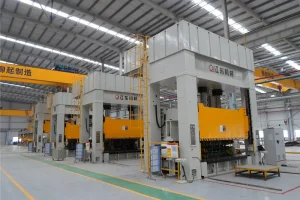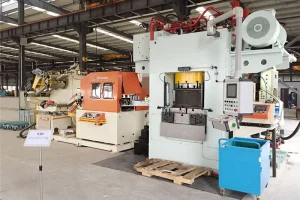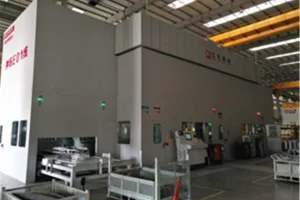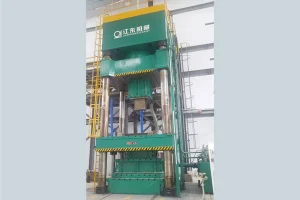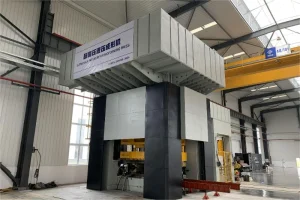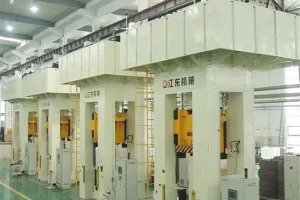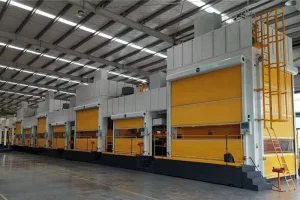
Designed for mission-critical hydraulic forming, metal stamping, and specialized composite pressing requirements.
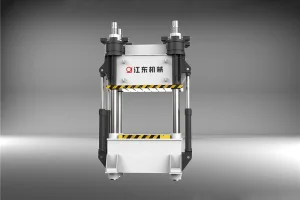
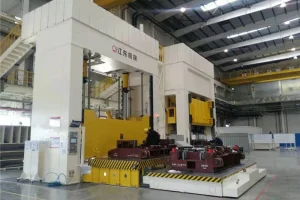
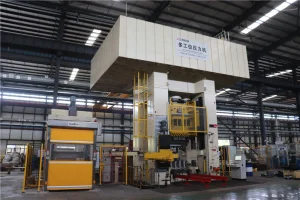
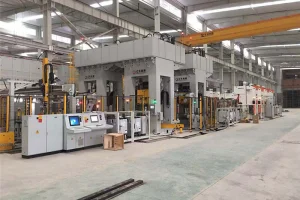
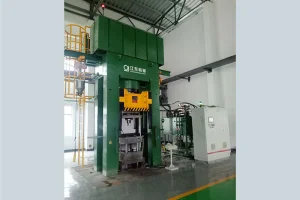
In the modern manufacturing landscape, purchasing heavy equipment requires evaluating more than just upfront prices. Heavy machinery, particularly high-tonnage hydraulic presses and automated stamping lines, represents a multi-decade capital investment. High-performing organizations focus on the Total Cost of Ownership (TCO), which includes procurement cost, energy consumption, structural reliability, maintenance cycle intervals, and part-forming yield rates.
For industrial operations searching for competitive heavy equipment suppliers, the challenge is balancing economic viability with engineering integrity. Opting for low-cost machinery without rigorous design verification often leads to frame deformation, oil leaks, inconsistent pressure delivery, and costly unscheduled downtime. Conversely, sourcing from top-tier heavy equipment companies who utilize vertically integrated manufacturing setups helps optimize structural configurations and reduce costs. This strategy makes machinery affordable without sacrificing E-E-A-T (Experience, Expertise, Authoritativeness, and Trustworthiness) standards.
Hydraulic presses are essential in metal forming and structural design. From processing high-strength structural components to creating composite parts for electric vehicles (EVs), these systems are fundamental to modern manufacturing. Advancing technology requires hydraulic systems that offer precise control, energy efficiency, and easy integration into fully automated factory networks.
Discover our core technological processes, designed to provide high precision, energy-efficient production, and durable configurations.
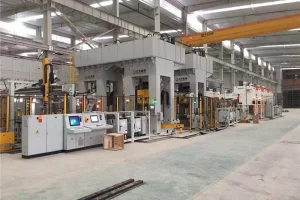
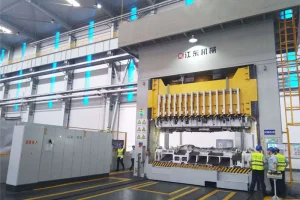
Highly automated production systems tailored for high-strength steel stamping, deep drawing, isothermal forging, and advanced multi-station extrusion lines. Perfect for structural automotive components and large mechanical structures.
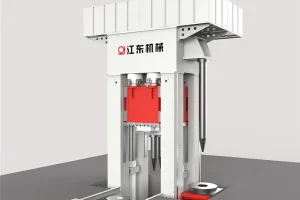
Comprehensive solutions for lightweight polymer and composite components. Includes direct long-fiber reinforced thermoplastic forming (LFT-D), high-pressure resin transfer molding (HP-RTM), and SMC/BMC/GMT/PCM compression systems.
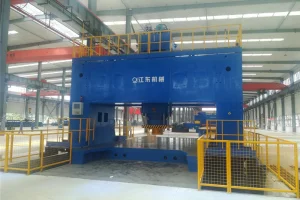
Dedicated technology for high-pressure gas cylinders, isothermal forging for aerospace, superplastic forming (SPF) of light alloys, and internal high-pressure hydroforming systems designed for complex hollow components.
To understand why Chinese heavy manufacturing represents an optimized value proposition, we examine the underlying mechanical engineering. Precision forming relies on managing metallurgical stress, temperature variables, and fluid pressures. Heavy equipment developed by Chongqing Jiangdong Machinery Co., Ltd. (Jiangdong Machinery) utilizes closed-loop electro-hydraulic servo controls. These systems control fluid flow dynamically, ensuring high repeatability and stability during production.
Consider the difference between conventional and advanced high-pressure hydroforming systems:
| Engineering Metric | Conventional Hydraulic Systems | Jiangdong Machinery Servo Systems |
|---|---|---|
| Energy Consumption | High (Continuous pump idling) | Reduced by up to 50% (On-demand motor control) |
| Slide Positioning Accuracy | ±0.1 mm | ±0.01 mm (Closed-loop linear scales) |
| Cycle Optimization | Fixed speed profiles | Programmable multi-step speed & pressure profiles |
| Thermal Management | Large cooling systems required | Minimized heat generation; lower water/oil cooling demand |
Whether employing LFT-D (Long-Fiber Thermoplastic direct forming), HP-RTM (High-Pressure Resin Transfer Molding), or hot stamping processes for boron-alloy steels, structural stability remains essential. Modern structural designs must prevent deflection under maximum tonnage. By using finite element analysis (FEA) to design frames, structural rigidity is maximized, reducing stress concentrations and prolonging tool life.
When international buyers evaluate "cheap" heavy equipment suppliers, they must consider the reasons behind those lower costs. In the case of Jiangdong Machinery, cost-efficiency does not imply reduced quality. Instead, it stems from the structural advantages of the Chinese supply chain.
One-stop services spanning structural analysis, system integration, software programming, and mechanical assembly.
Established in 1937, Chongqing Jiangdong Machinery Co., Ltd. (Jiangdong Machinery) is a comprehensive forging enterprise. The company integrates research and development, design, production, sales, and service for heavy forming equipment.
Specializing in lightweight forming processes, automated hydraulic lines, and dies, Jiangdong Machinery provides complete technical solutions. This is especially valuable for the automotive and aerospace sectors, where reducing structural weight is critical. With advanced manufacturing technology and engineering capabilities, we help clients globally upgrade their forming processes.
Our facilities are equipped with heavy-duty machining centers, horizontal boring mills, and dynamic oil testing stands. This ensures that every hydraulic press meets international quality and performance standards prior to shipping.
Industrial machinery must comply with the strict regulatory standards of its destination country. Jiangdong Machinery designs its hydraulic presses and production lines to meet global specifications, including:
The heavy equipment industry is adopting digital technologies, including real-time monitoring and predictive maintenance. Digital twin technology allows manufacturers to simulate forming processes, predict wear on mechanical seals, and optimize slide speed profiles before production begins.
Jiangdong Machinery is integrating sensor arrays and intelligent controllers into its systems. By monitoring vibration, temperature, oil purity, and cycle pressure variations, these systems notify operators of necessary maintenance before component failures occur. This data-driven approach transforms traditional hydraulic presses into smart production units ready for Industry 4.0.
Support for your equipment throughout its entire operational lifecycle, from engineering to maintenance.

Custom Solutions

Remote Support

On-Site Maintenance

Technical Support

Spare Parts Inventory
Keep up with the latest updates on international cooperation, technical exhibitions, and machinery developments.
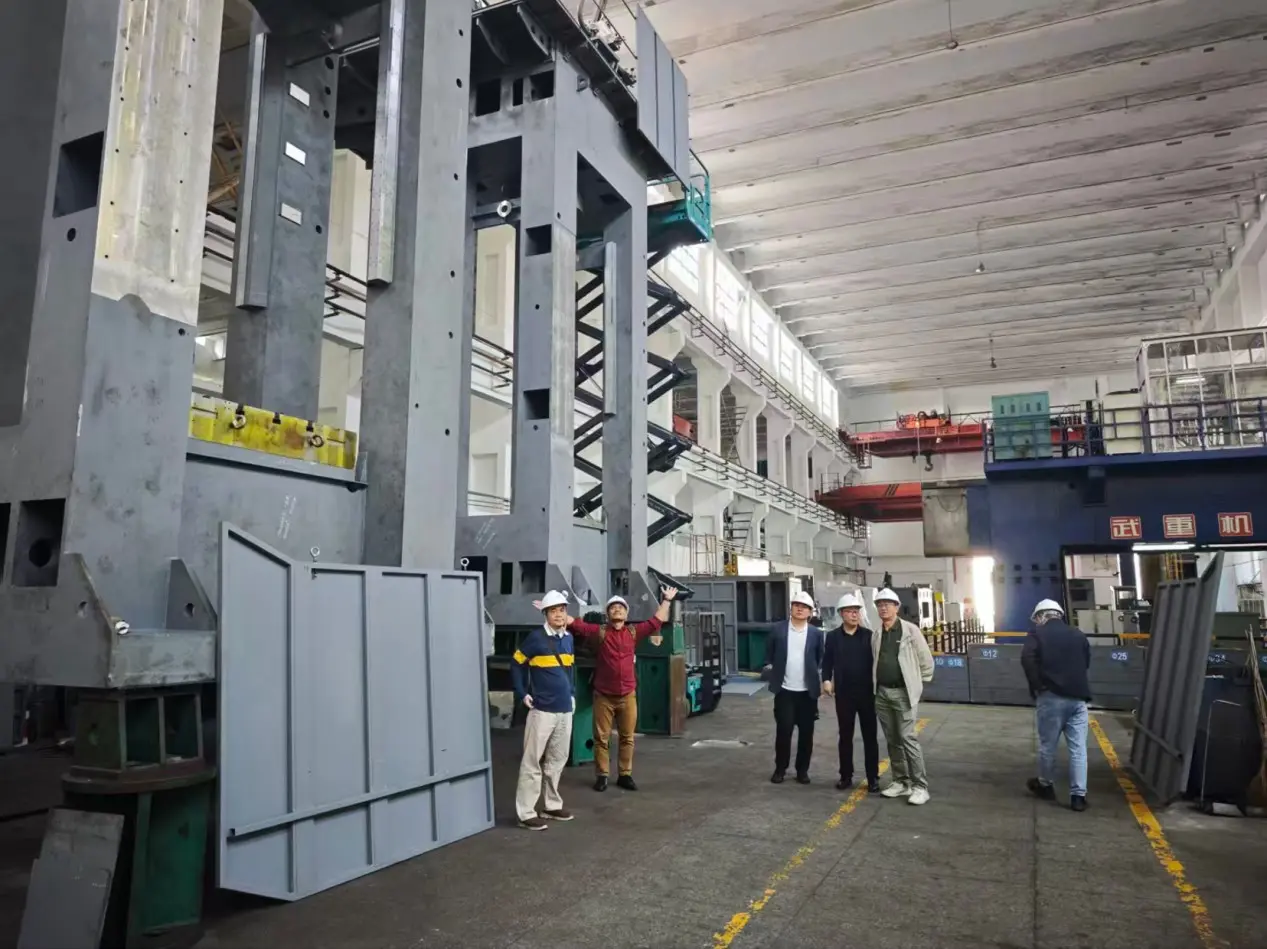
A business delegation from Indonesia inspected our manufacturing plant to review product quality and engineering capabilities, laying the groundwork for a new collaboration in sheet metal forming.
We welcomed partners from Thailand, Indonesia, and Malaysia to discuss new technical standards and collaborative projects for regional markets.
Presenting our advanced lightweighting solutions, including HP-RTM and composite forming technologies, at international manufacturing expos.
Answers to common technical, logistics, and purchasing questions regarding our heavy equipment.
Additional advanced forming systems designed for specific components and high-throughput production lines.