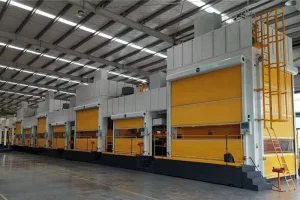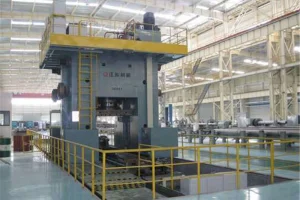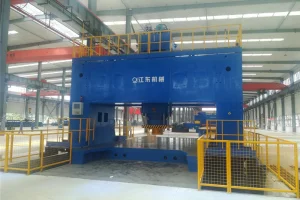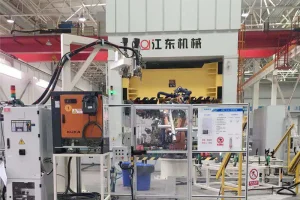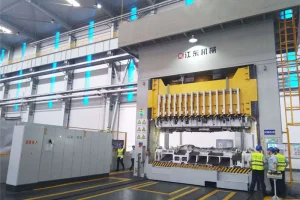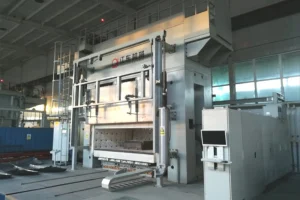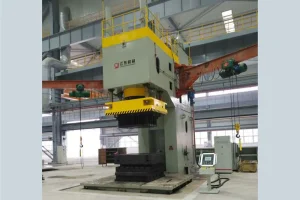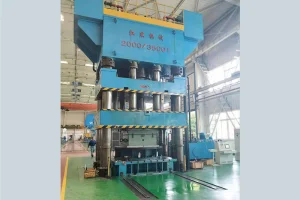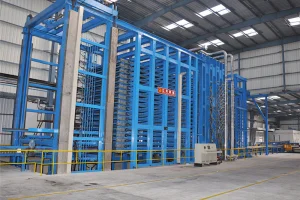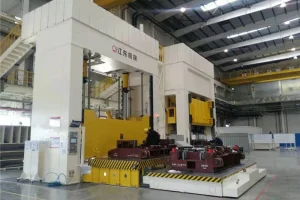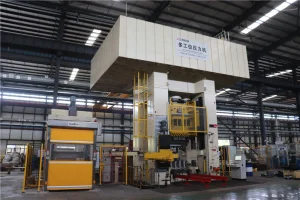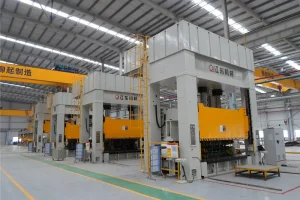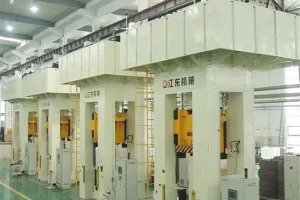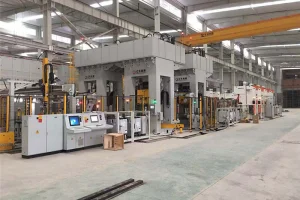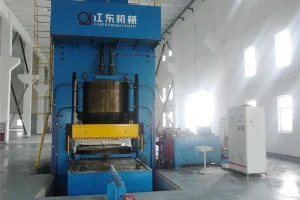
Discover our primary lineup of automated, intelligent, and highly flexible hydraulic press solutions certified for global industrial application.
Analyzing structural shifts in global manufacturing regulations, EU Machinery Directives, and the crucial role of CE-compliant hydraulic press control systems.
In modern industrial manufacturing, metal forming and composite molding systems are subjected to severe operational environments, complex mechanical movements, and high hydraulic pressures. As manufacturing environments transition to automated, digitalized smart factories under Industry 4.0 paradigms, the regulatory landscape governing equipment safety has evolved significantly. Chief among these safety benchmarks is the Conformité Européenne (CE) certification, which acts as the mandatory passport for machinery entering the European Economic Area (EEA) and is universally recognized as the gold standard of machine safety worldwide.
Compliance with the EU Machinery Directive 2006/42/EC, EMC Directive 2014/30/EU, and Low Voltage Directive 2014/35/EU is mandatory for all multi-tonnage metalworking presses.
Implementation of EN ISO 13849-1 Performance Level d or e (PL d/e) standards inside the controller logic, safeguarding human operators from unpredictable mechanical failures.
Integration of dual-channel safety monitoring, redundant hydraulic valve systems, and fail-safe feedback sensors directly coordinated by dedicated safety PLCs.
A CE-compliant press control system goes beyond merely adding a safety emergency stop button; it is a holistic safety architecture designed from the ground up. Modern hydraulic presses execute complex cycles—such as sheet metal drawing, hot stamping, isothermal forging, and composite molding—under pressures that frequently exceed several hundred bars and forces that scale up to tens of thousands of kilonewtons. System failures, control loops out of synchronization, or valve malfunctions can cause catastrophic damage, highlighting the need for dual-channel monitored valves, optical protective devices, and reliable control components.
From an international purchasing perspective, sourcing machinery with a verified CE-compliant control platform ensures legal conformity and represents a significant reduction in operational risk, machinery downtime, and corporate liability. System integrity, reliable mechanical performance, and documented safety testing form the bedrock of premium industrial equipment manufacturing.
A deep dive into the engineering criteria, functional safety metrics, and international harmonized standards that define compliant hydraulic machinery control loops.
Designing a press control system capable of earning a CE certificate requires adhering strictly to harmonized EN standards. The primary standard governing hydraulic presses is EN ISO 16092-1/-3 (which succeeded the older EN 693 standard). This series specifies detailed safety measures for the design, construction, and supply of metalworking presses. To understand how compliance is achieved in the control cabinet and software interface, we must break down the key engineering components:
Under EN ISO 13849-1, safety-related parts of control systems (SRP/CS) are evaluated using Performance Levels (PL). For dangerous machine motions on a hydraulic press—specifically the downward movement of the press ram—the safety functions must meet PL d or PL e, Category 3 or 4. This dictates that:
To safely arrest the descending ram of a high-tonnage press, the safety control system must control the hydraulic valve block directly. CE designs use redundant safety shut-off valves in series. Position-monitored valves (often with inductive proximity sensors) report the physical position of the spool directly to the safety controller. If the spool position is out of alignment with the control signal, the safety controller isolates the hydraulic fluid flow, stopping the ram immediately.
Operator zones are commonly protected by light curtains (Type 4 as per EN 61496-1/-2). The control system must process the light curtain's OSSD (Output Signal Switching Device) signals through a dedicated safety PLC. When the light curtain is interrupted during high-speed closing, the controller triggers a fast stop. This requires highly responsive hydraulic valve mechanics with response times under a few milliseconds.
Discover our three specialized technological pillars: Sheet Metal & Forging, Composite Forming, and Special Industrial Systems.
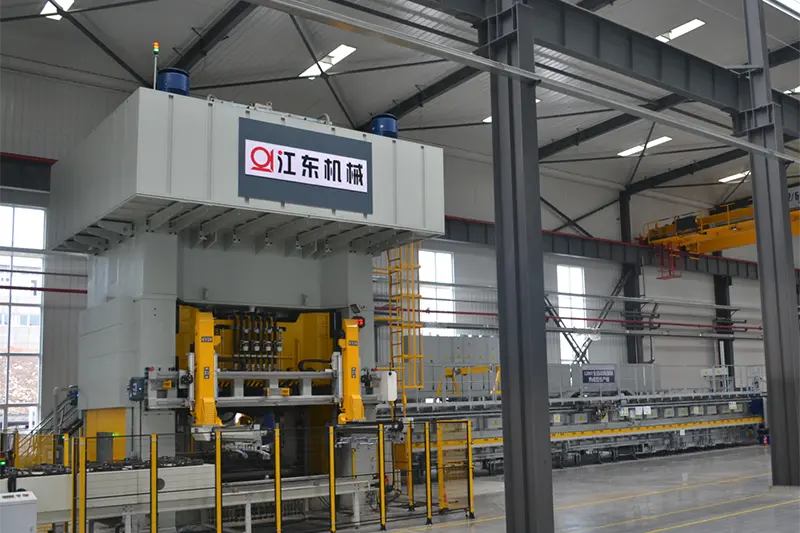
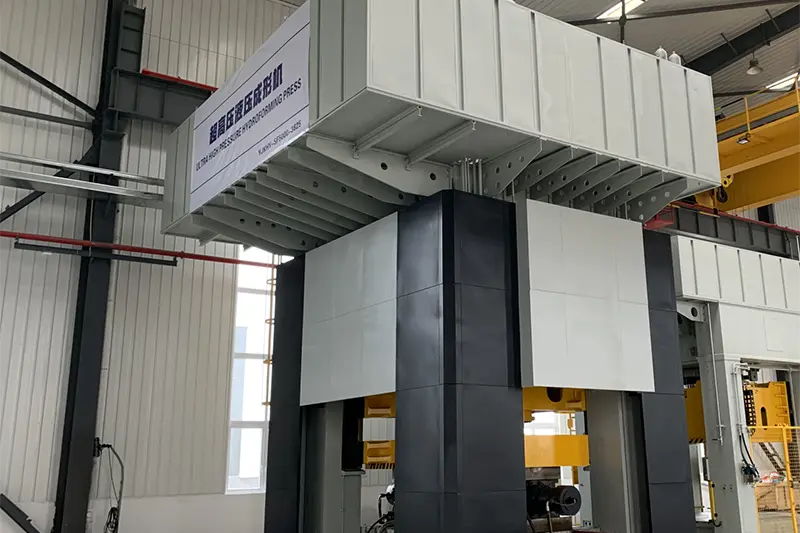
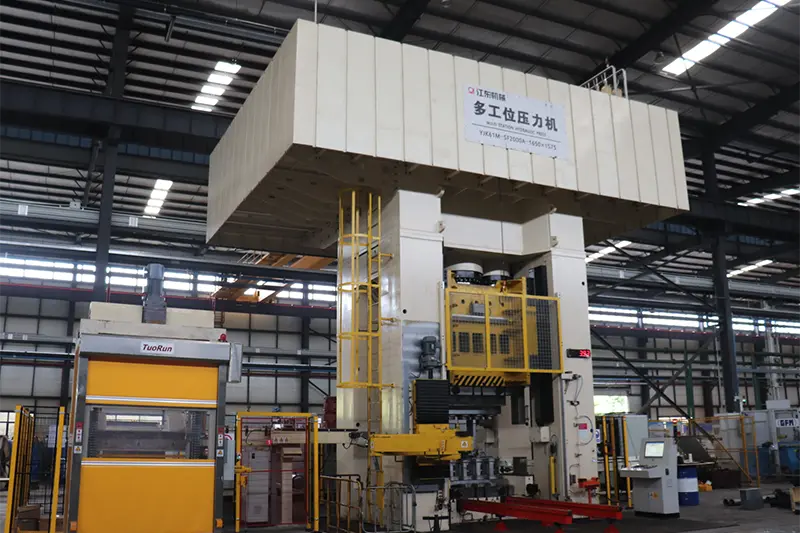
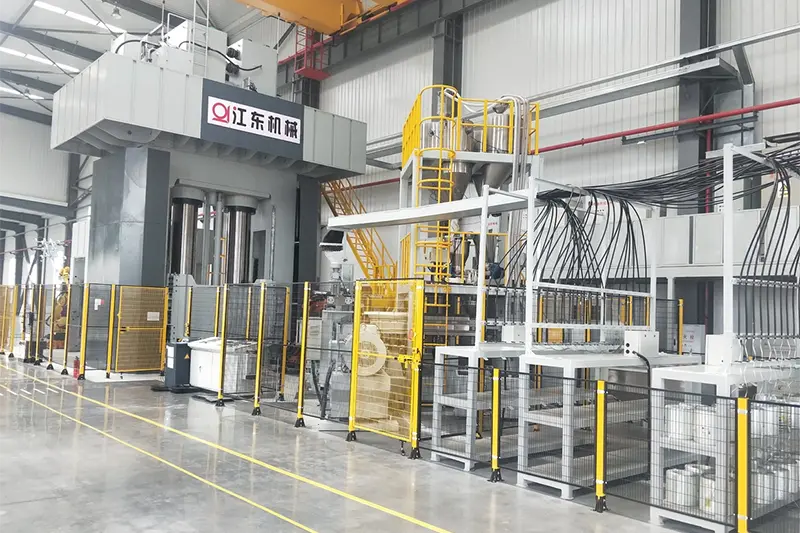
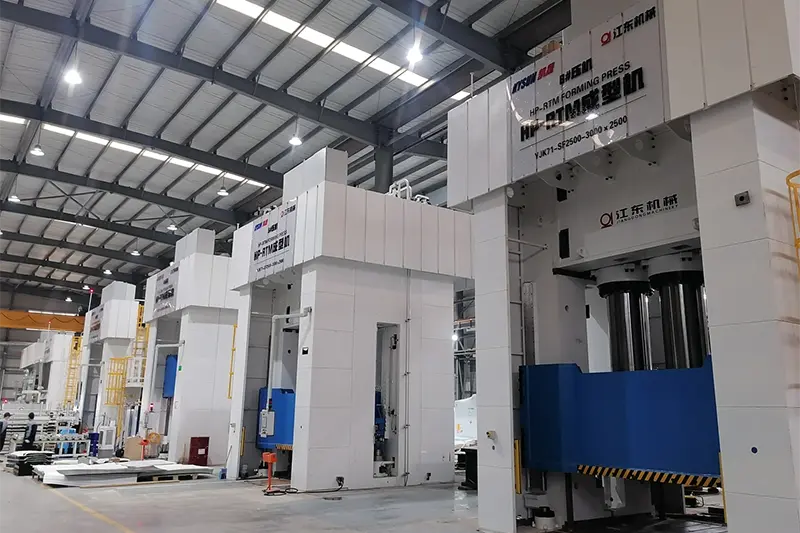
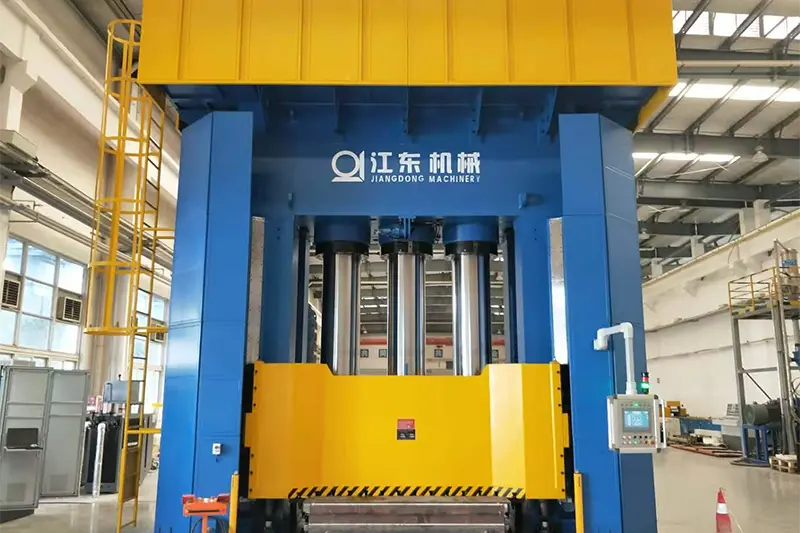
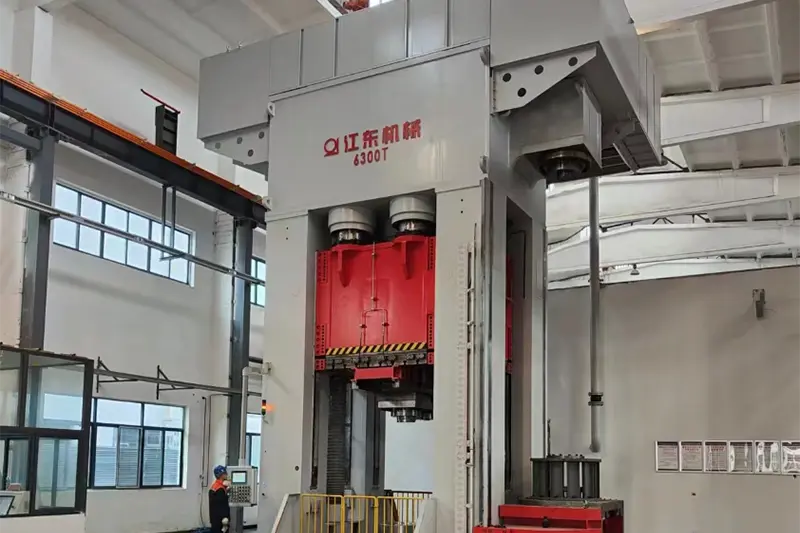
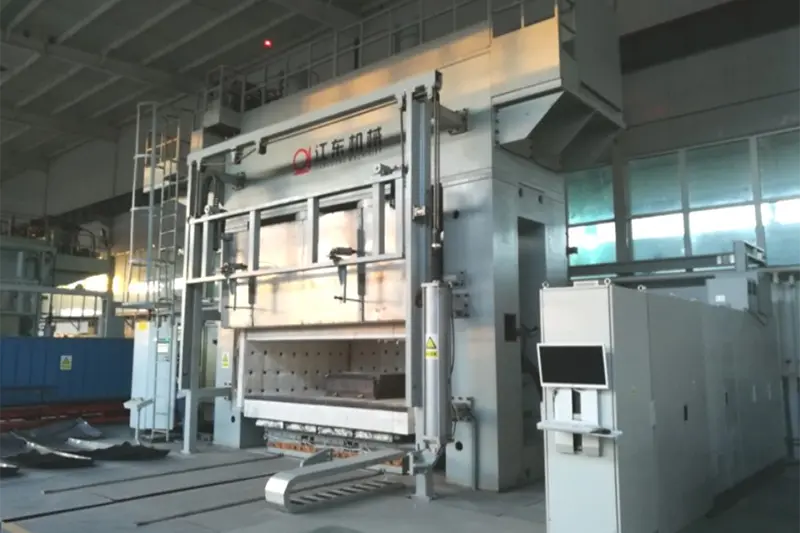
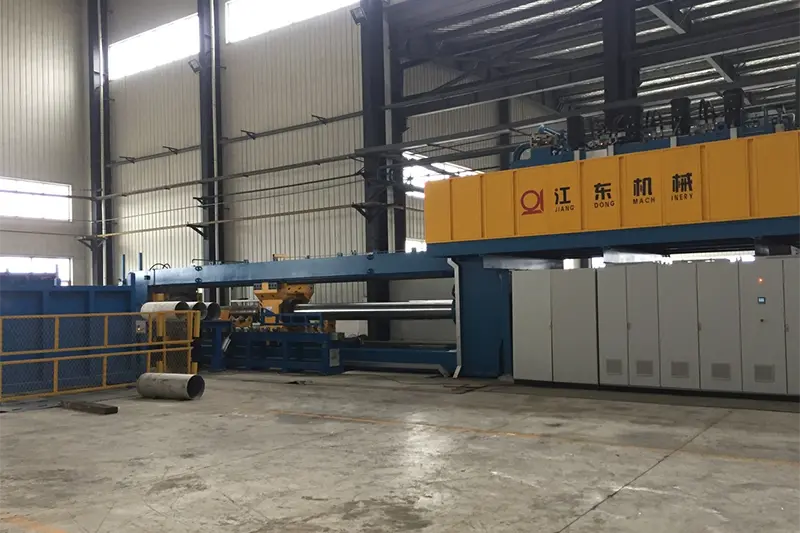
Providing complete turnkey production setups and specialized technical processes to support the automotive, aerospace, and energy sectors globally.
In response to international directives prioritizing carbon footprint reduction and material recycling, industries such as commercial transit, aerospace engineering, and defense manufacturing are executing massive material transitions. Lightweighting has emerged as a primary focus. Aluminum, magnesium, high-strength titanium, and ultra-high-strength steel alloys are replacing traditional heavy mild steels. Our company is positioned to facilitate this transition, supplying not just stand-alone machines, but comprehensive turnkey production packages.
Pioneering the next wave of production efficiency through advanced sensor telemetry, digital twin simulations, and green hydraulic technologies.
The industrial machinery sector is undergoing a transformation driven by high-efficiency requirements and carbon reduction goals. As standard mechanical operations become more mature, the competitive differentiator shifts toward software control integration, self-correcting mechanisms, and predictive diagnostics. Below, we examine the primary technologies shaping the next generation of hydraulic presses:
How we ensure rapid on-site commissioning, ongoing preventive maintenance, and spare parts supply across global manufacturing corridors.
Sourcing metal forming equipment internationally requires a robust on-site support system. Shipping high-tonnage machines is only the first step; successful integration requires precision installation, electrical integration, and safety compliance validation on the factory floor.
Our localized support network assists throughout this process. We coordinate with local installation teams and compliance engineers to verify that every machine meets regional requirements (such as CE, OSHA, or CSA safety certificates) before final commissioning. Following installation, we set up secure IoT gateways for remote diagnostics and telemetry, allowing our engineers to provide support and troubleshoot controls without travel delays.
We also address supply chain reliability by maintaining regional warehousing hubs stocked with safety valves, filters, proximity sensors, and seal kits. This structured support system minimizes downtime and keeps your production lines running efficiently.
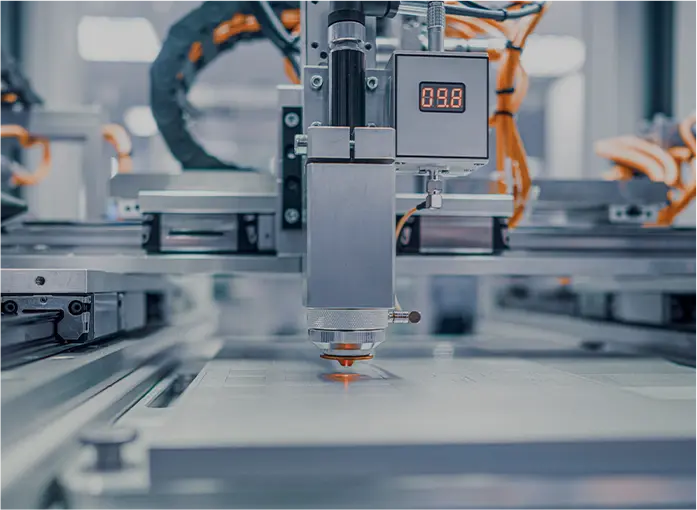
Automated Production Control Setup
Precision Mold Loading & Test runs
Established in 1937, Chongqing Jiangdong Machinery Co., Ltd. (Jiangdong Machinery) is an industrial manufacturing partner specializing in the R&D, manufacturing, distribution, and maintenance of hydraulic presses, lightweight forming systems, automotive dies, and specialized casting technologies.
Our machinery and automated lines feature advanced flexibility, digitalization, and integration. We specialize in weight-reduction forming solutions for automotive, aerospace, and transport components, helping manufacturers optimize part structures while maintaining component strength.
Comprehensive engineering assistance, from structural prototyping to remote diagnostics and emergency spare parts supply.

Customized Forming Solutions

Secure Remote Maintenance

Preventive System Auditing

Onsite Technical Support

Certified Safety Spare Parts
Follow our updates on technical collaborations, factory tours, and upcoming machinery exhibitions.
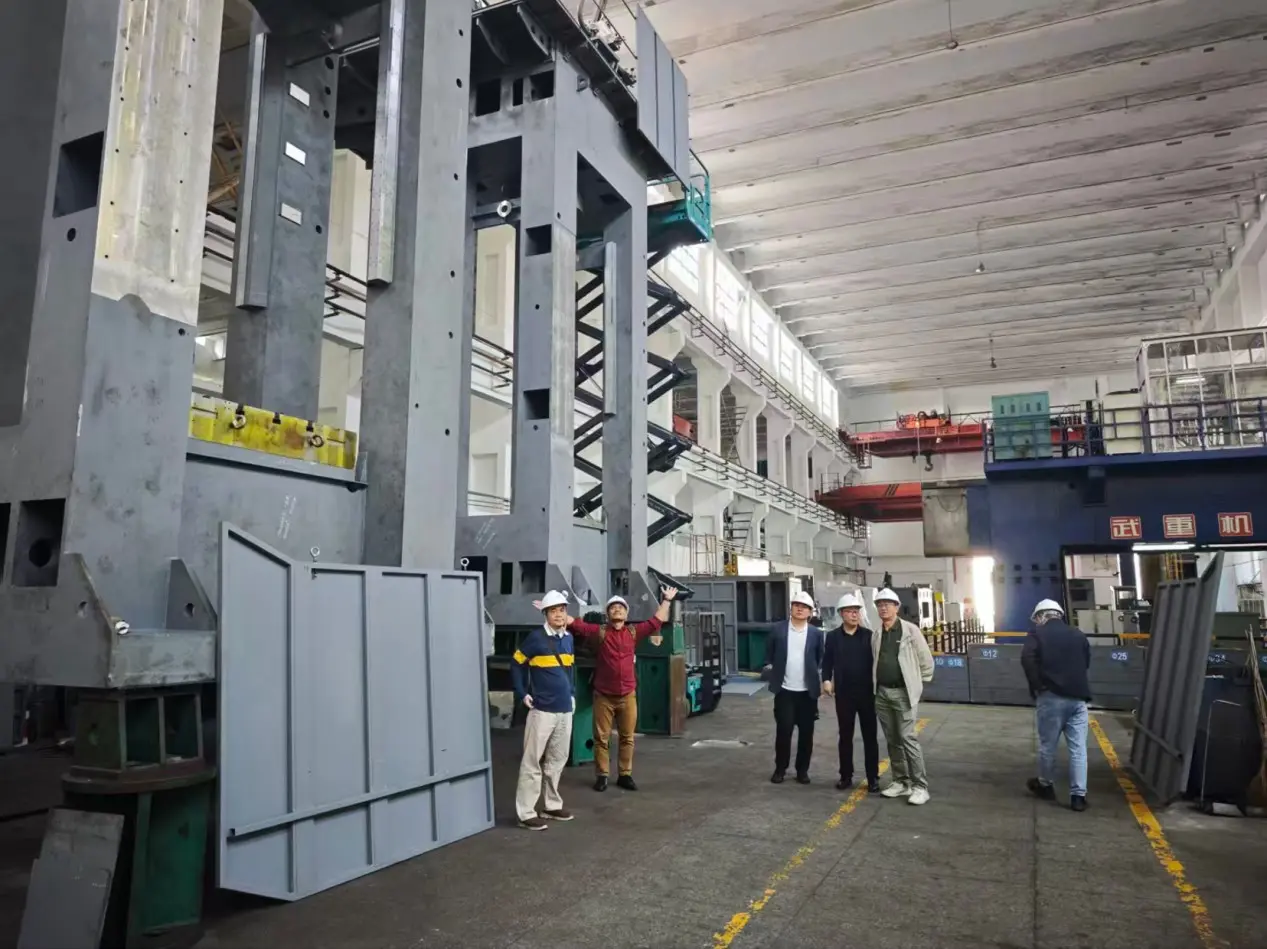
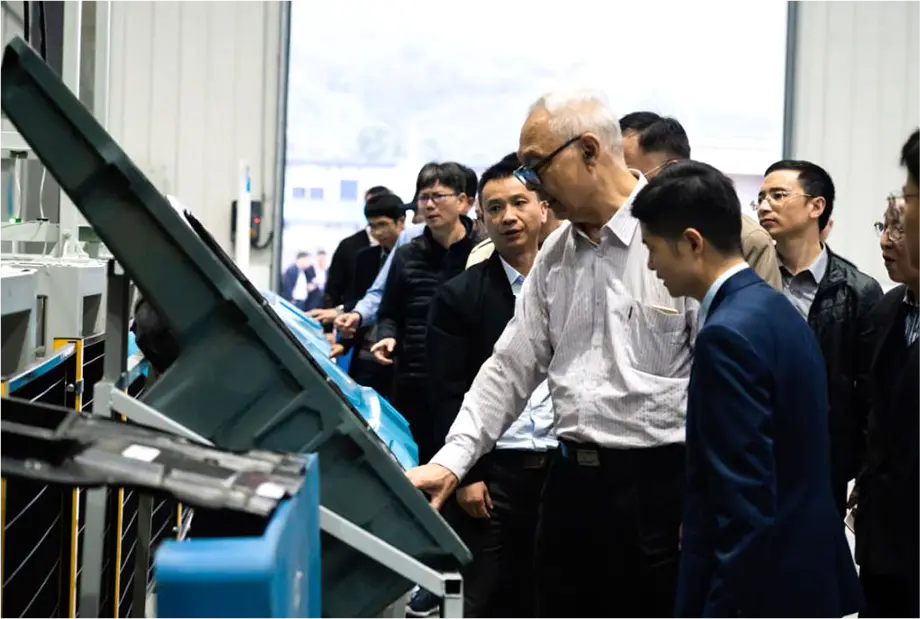
A delegation of automotive manufacturing professionals toured our manufacturing floor to review our lightweight metal forming capabilities and quality assurance protocols, establishing a foundation for upcoming projects.
Our technical team met with industry partners to discuss system parameters and localized commissioning services for automated production lines.
Engineers and coordinators from Thailand, Indonesia, and Malaysia visited our assembly facilities to review machinery setups, safety verification protocols, and shipping schedules.
We showcased our lightweight forming technologies, focusing on composite hot stamping and CE-certified press control systems for automotive platforms.
Addressing common technical, legal, and operational questions from plant managers and system engineers regarding hydraulic press compliance.
EN ISO 16092 (specifically Part 3 for hydraulic presses) replaces the older EN 693 standard and outlines safety requirements for designing, building, and operating metal presses. Sourcing machinery compliant with this standard ensures that risk-critical components—including safety valve groups, light grids, emergency stop loops, and slide locking systems—meet functional safety standards like EN ISO 13849-1, reducing operational liability.
Performance Levels define the reliability of safety-related control functions under varying operational conditions. Performance Level d (PL d) is typical for standard industrial lines, while PL e represents the highest risk-reduction class. Achieving PL e requires Category 4 design architecture—featuring continuous hardware monitoring, dual-channel wiring, and high diagnostic coverage (DC ≥ 99%)—to prevent a single electrical or component failure from disabling safety controls.
Press safety requires monitoring the physical position of the valve spool. Redundant proportional or directional control valves are equipped with inductive proximity switches that output spool positions back to a safety PLC. If the controller detects a mismatch between the electrical command and the spool's physical position (indicating a sticking valve or spring fatigue), it disables the next stroke and cuts pilot oil pressure, locking the slide in position.
Our systems utilize secure, encrypted VPN gateways connected directly to the primary PLC. With plant permission, our control specialists can access system performance logs, monitor valve shift times, analyze fault codes, and upload software patches. This setup allows for rapid troubleshooting and parameter adjustment, saving time compared to waiting for on-site field visits.
While CE is the baseline standard for European markets, we configure control cabinets to meet local electrical and safety codes, including UL 508A for the US and CSA C22.2 for Canada. We collaborate with regional engineering partners to run Pre-Start Health and Safety Reviews (PSR) and on-site field evaluations, helping you meet local industrial compliance requirements.
Turnkey systems and advanced machinery designed for stamping, hot press forming, die spotting, and forging applications.
Schedule a technical consult with our functional safety engineers to design your next compliance-certified press line.