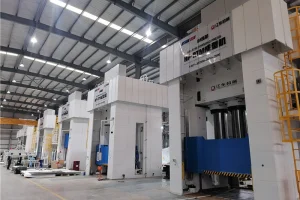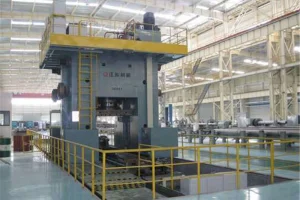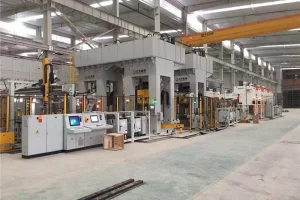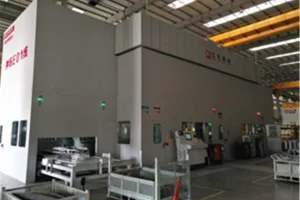
Premium metal stamping, carbon fiber composite moulding, and automatic straightening machinery engineered for compliance, durability, and operational scale.
A comprehensive breakdown of structural trends and safety compliance shaping heavy industrial purchasing worldwide.
Within EU and associated global markets, the Machinery Directive 2006/42/EC and EN ISO 16092 (specifically Part 1 and Part 3 for hydraulic presses) mandate strict risk assessments, physical guarding, dual-monitored safety valves, and safety PLC integration. Enterprise buyers look beyond simple machinery output to verify that pressure circuits, piping, and electrical interfaces conform to EN 60204-1 standards. Procuring equipment with verified CE documentation mitigates site installation delays, ensures labor safety compliance, and eliminates legal liabilities.
Modern procurement guidelines emphasize structural energy reductions. Transitioning to smart electro-hydraulic servo-driven systems allows dynamic oil volume regulation, saving up to 50% of idle and active power compared to conventional proportional valve architectures. Industrial buyers require integrated variable-frequency drives (VFDs) and smart accumulator storage networks to maintain precision force control while matching the global corporate targets for environmental sustainability and carbon emission compliance.
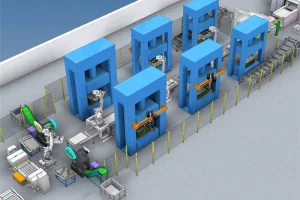
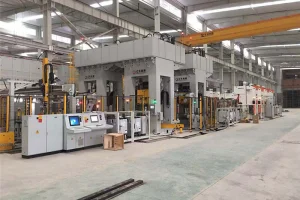
To build resilience in multi-stage global supply chains, international corporate procurement strategies are undergoing a significant structural shift. Rather than purchasing disjointed, standalone machinery components, engineering teams are consolidating their vendor base to secure complete turnkey production lines. Turnkey systems guarantee standardized electrical engineering protocols (e.g., standard Siemens or Allen-Bradley PLCs), synchronous software control interfaces, and centralized HMI controls. This integration guarantees consistent operation, simplifies preventative maintenance schedules, and eliminates compatibility bottlenecks between cutting, press, transfer, and finishing modules.
Providing advanced lightweighting and structural metal-forming solutions across high-growth global supply chains.
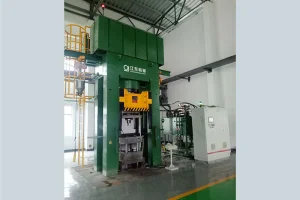
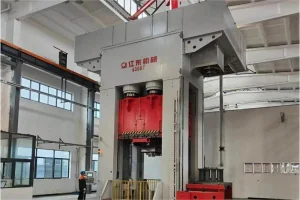
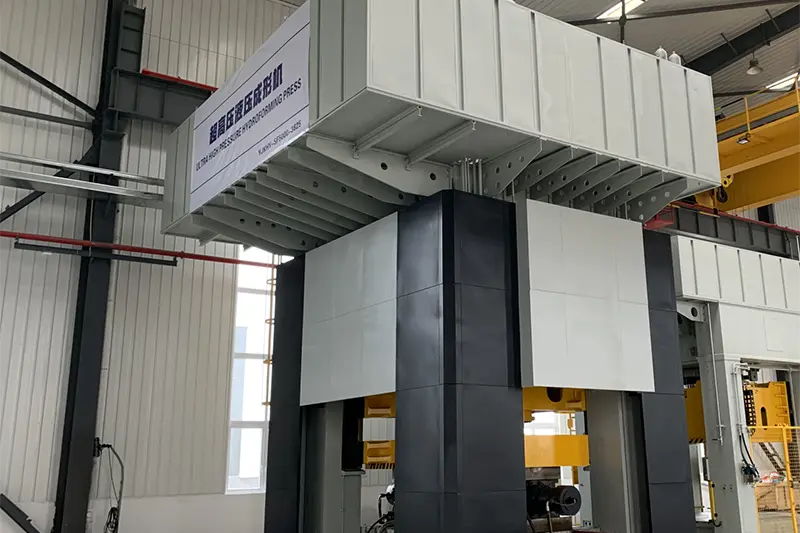
Automobile manufacturers are under immense regulatory pressure to increase vehicle range and structural efficiency. Our customized Hot Stamping Hydraulic Press Production Lines and Internal High Pressure Hydroforming Production Lines enable the manufacturing of complex, high-strength boron-steel safety pillars, subframes, and critical aluminum components with zero spring-back, optimizing strength-to-weight ratios.
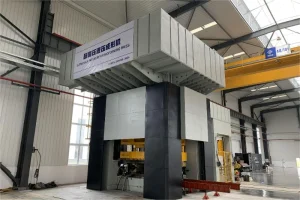
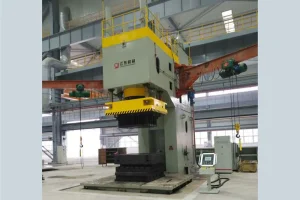
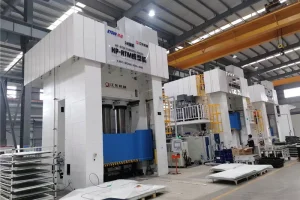
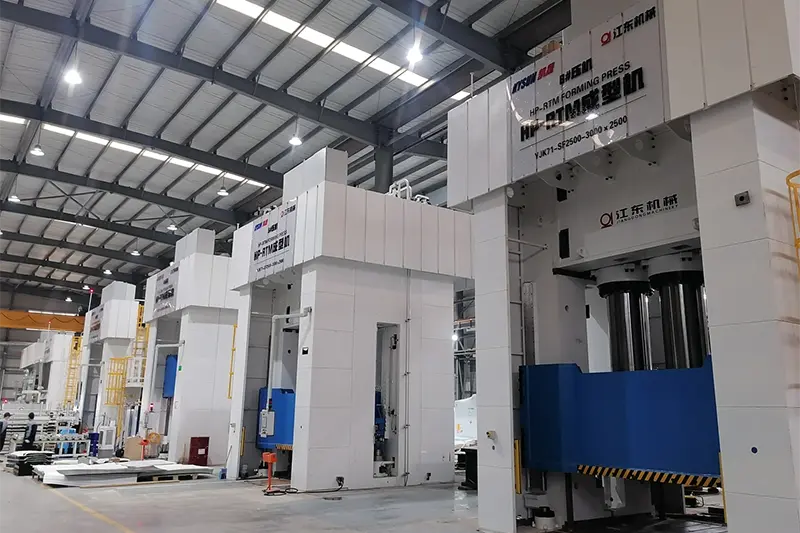
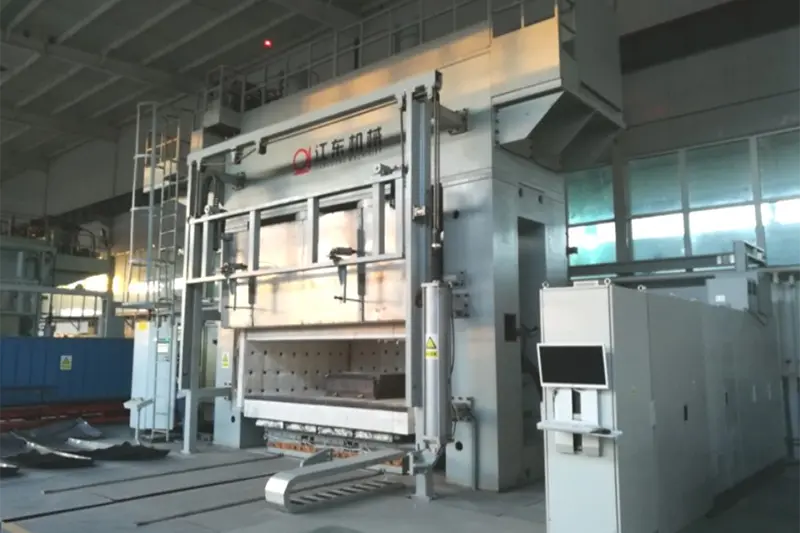
Aerospace manufacturing demands extreme materials properties. Utilizing Isothermal Forging and Superplastic Forming technology, titanium alloy structural components can be shaped without structural stress points. In parallel, our HP-RTM (High-Pressure Resin Transfer Molding) systems automate the mass-production of carbon-fiber-reinforced polymer (CFRP) body panels and aerospace control surfaces.
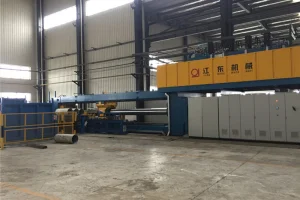
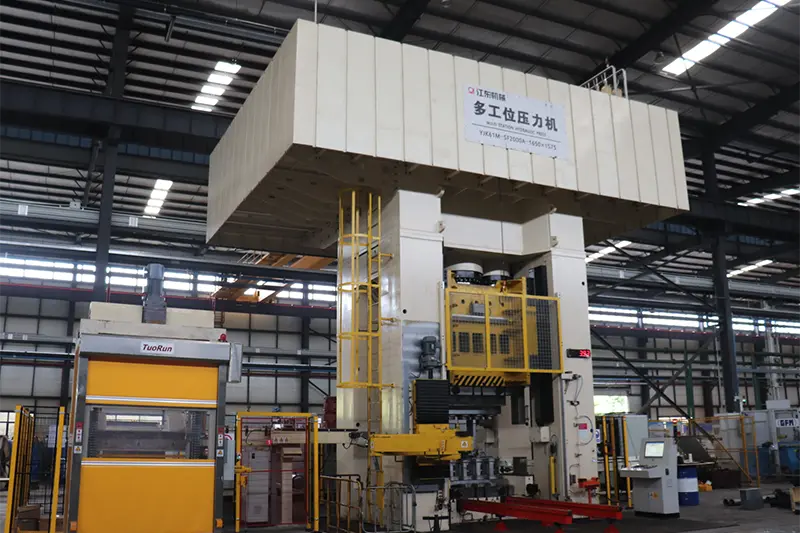
Heavy duty components like gas cylinders, military housing shells, and large storage vessels require precise deep-drawing. Our Gas Cylinder/Bullet Housing Stretching Production Lines feature automated vertical and horizontal drawing configurations designed to run continuously with minimal dimensional tolerance deviation, meeting the challenges of heavy commercial utilities.
High-fidelity forming methods spanning sheet metal, composites, and custom industrial applications.
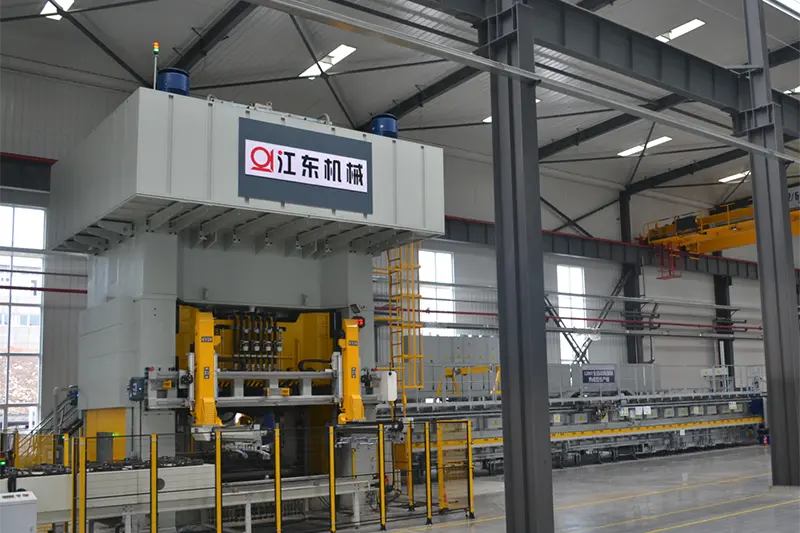
High-precision drawing, hot forming, and automated high-yield stamping configurations.
Advanced structural polymers, thermosets, and thermoplastic direct-molding frameworks.
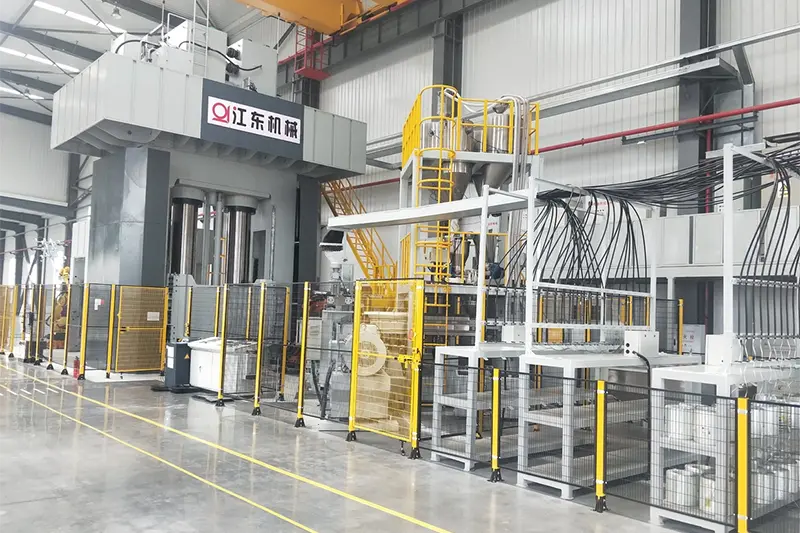
Extreme aerospace alloys forming under isothermal and superplastic micro-conditions.
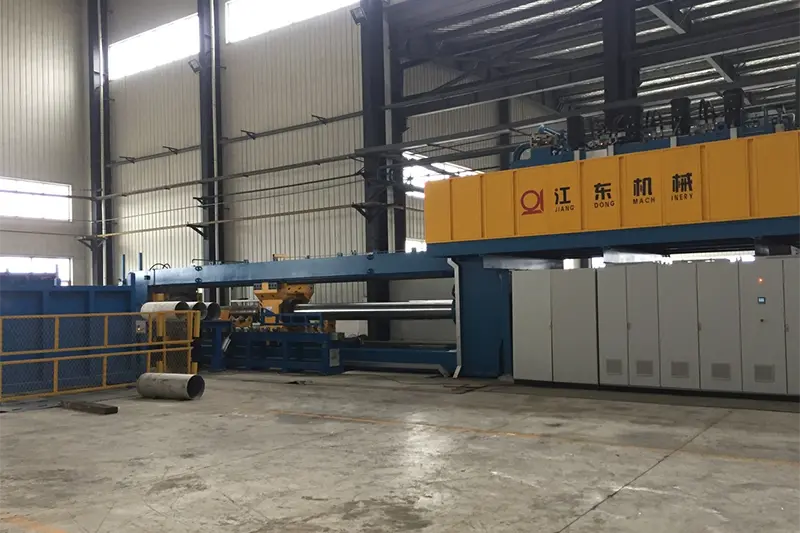
The transformation of heavy industrial forming machinery into intelligent, self-optimizing cyber-physical systems.
The industrial landscape from 2026 to 2035 is characterized by the merging of mechanical engineering with software-driven optimization. Heavy machinery is transitioning into cognitive automation hubs that detect wear, optimize power draw, and modify cycle rates autonomously. By embedding vibration sensors, temperature probes, and micro-flow sensors within hydraulic circuits, systems can feed real-time performance telemetry back to a local processing unit or industrial cloud host.
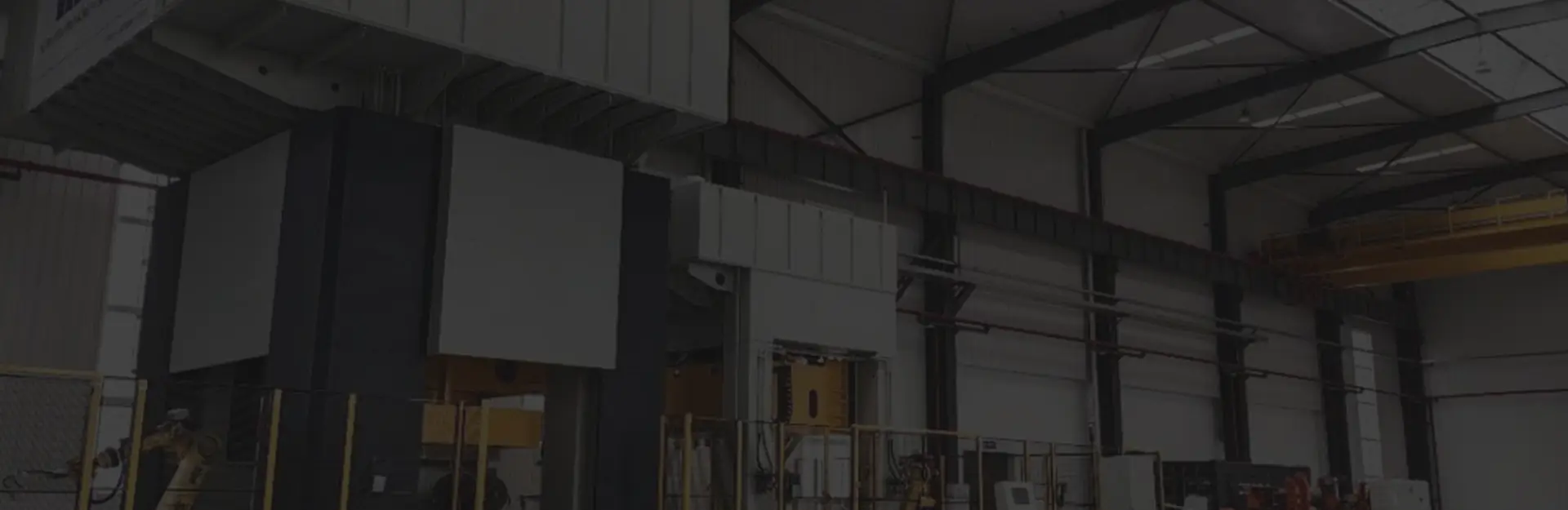
Engineered systems bridging specialized material processing with end-to-end line integration.
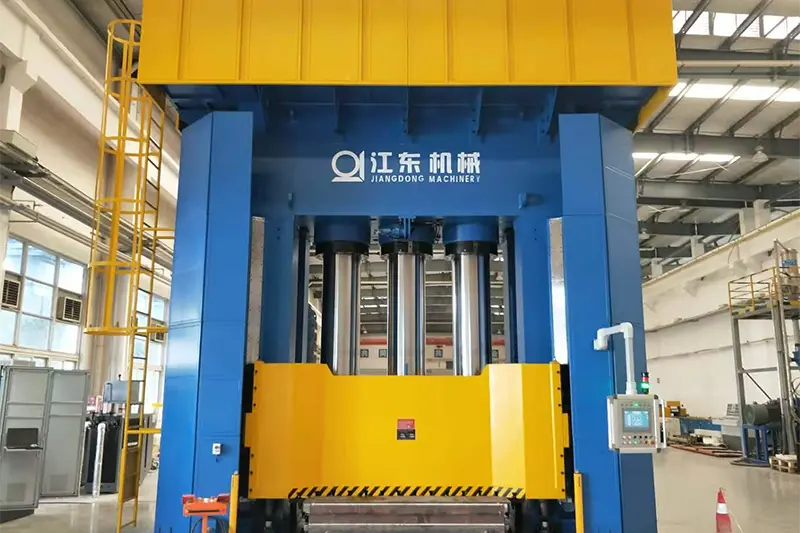
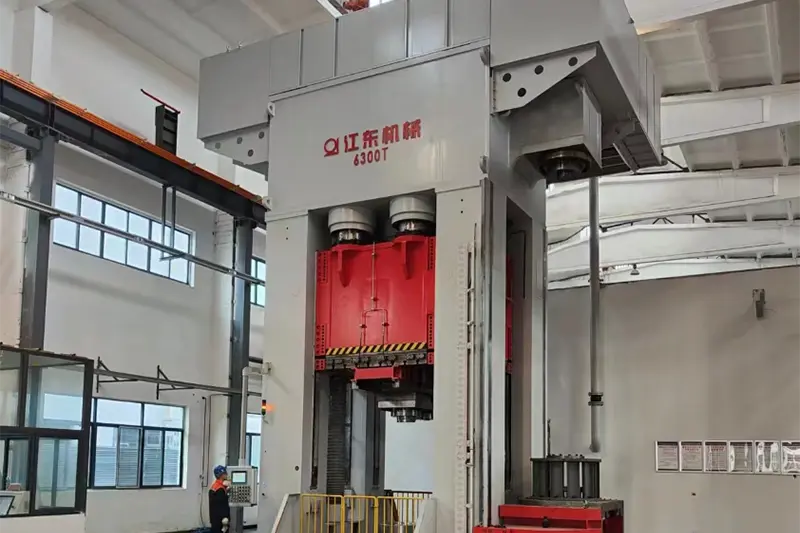
Chongqing Jiangdong Machinery Co., Ltd. (hereinafter referred to as “Jiangdong Machinery”) is a comprehensive forging company integrating R&D, production, sales and service of hydraulic presses, lightweight forming technology, lightweight parts, hot and cold stamping dies, metal castings, etc. Equipment and parts manufacturing companies. Among them, the company’s research and development of hydraulic presses and production lines have advanced automation, intelligence, and flexibility. At the same time, Jiangdong Machinery can provide customers with a variety of metal and non-metal hydraulic forming equipment and integrated forming technology solutions, especially in automobile lightweighting.
VIEW MOREWhat we offer for you

Customized Solutions

Remote Service

Maintenance

Technical Support
Ensuring site acceptance tests, local regulatory clearances, and high-uptime field support.
For large-scale international installations, physical delivery of forming machinery is only the initial phase. Standard operational compliance requires formal site verification testing under actual plant load parameters. We provide structural local compliance packages designed to bridge standard Chinese domestic fabrications with highly specific regional mandates like the European Union's CE markings, United States OSHA configurations, and Canadian CSA standards. Our dedicated field service personnel coordinate directly with accredited external testing institutes (such as TÜV Rheinland, SGS, or Bureau Veritas) to verify performance limits, circuit isolation, hydraulic line integrity under maximum mechanical pressure loads, and acoustic output thresholds.
Our global service structure is designed to guarantee high system uptime and protect capital equipment investments:
Stay updated with our global partnerships, trade excursions, and technical manufacturing announcements.
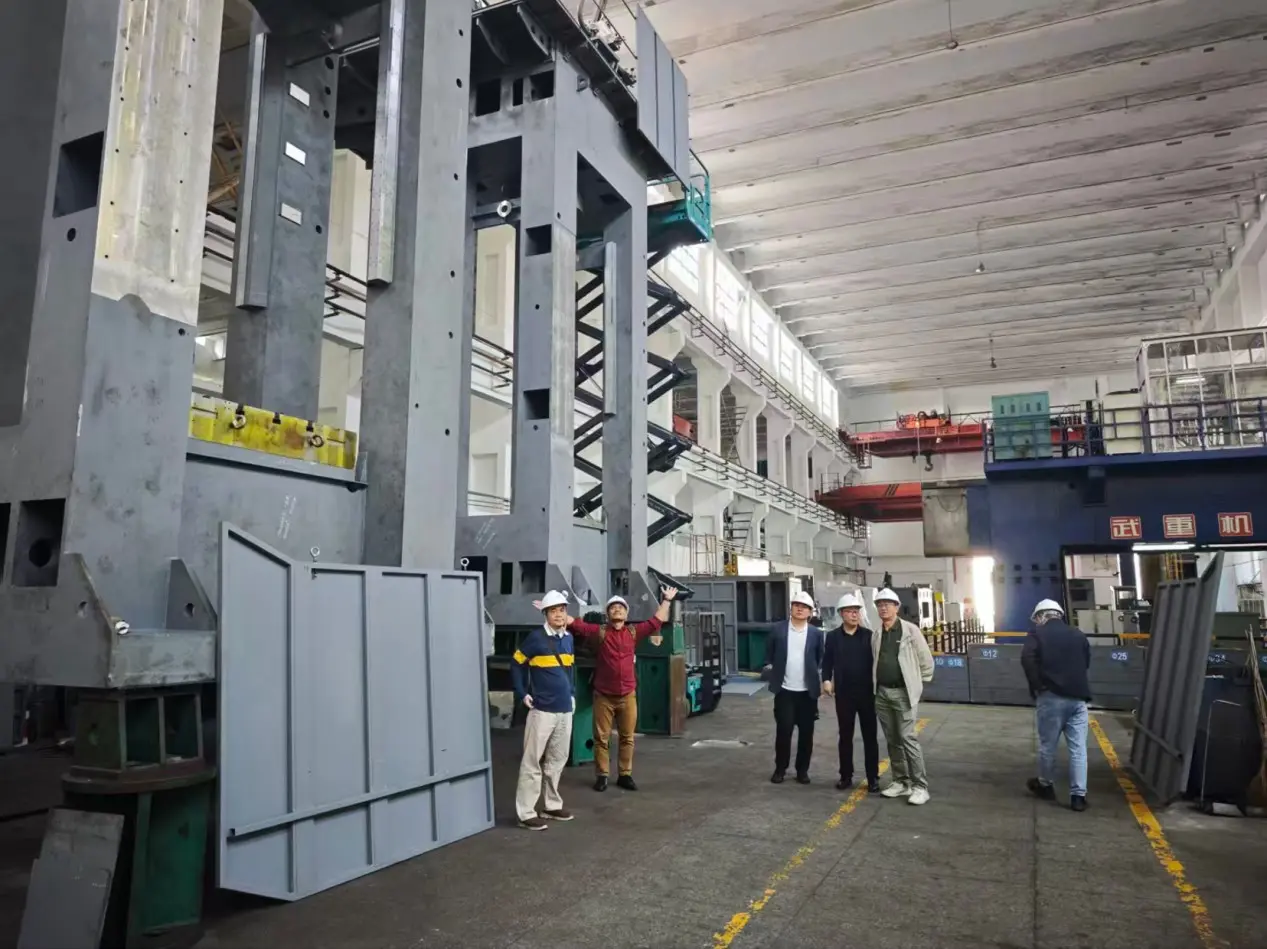
Recently, a delegation of Indonesian customers visited Jiangdong Machinery to inspect its capabilities, product quality and technical strengths, laying a solid foundation for next-generation automated metal stamping line integration...
Read Full Article →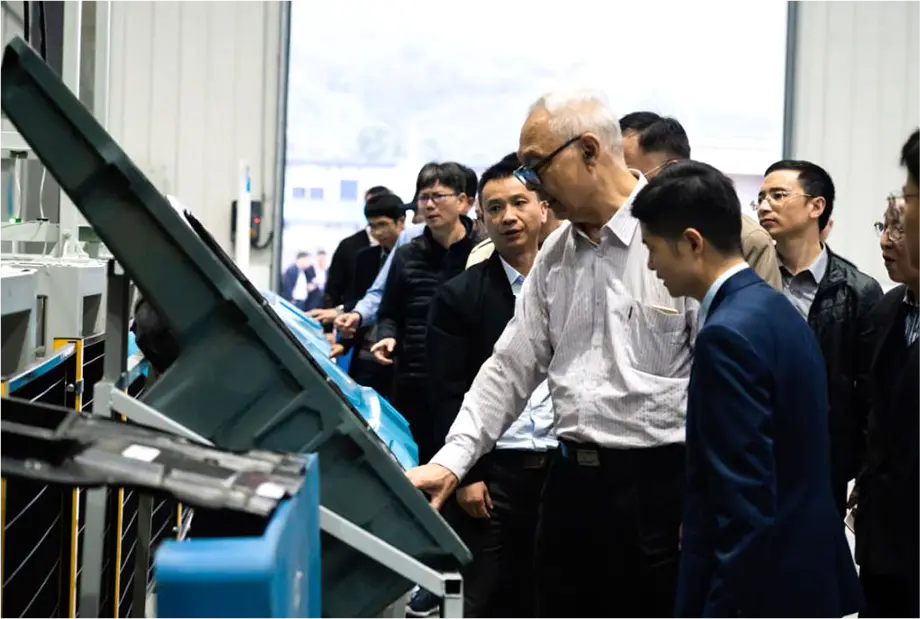
With the arrival of the new year, partners from countries including Thailand, Indonesia, and Malaysia have successfully visited our production facility to secure priority machinery allocation and explore advanced composites forming equipment...
Read Full Article →
Chongqing Jiangdong Machinery Co., Ltd., a leading enterprise in China's metal forming industry, prepares to showcase its smart CE-certified press machines and high-temperature forming line setups to European buyers...
Read Full Article →Expert answers addressing regulatory alignment, hydraulic technology configuration, and global commissioning protocols.
Complete your production setup with our certified industrial drawing, composite pressing, and high-tonnage forging machines.