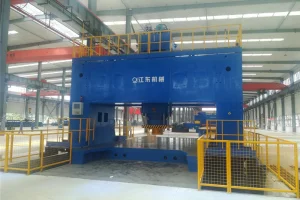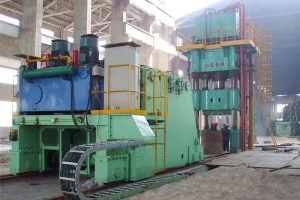
Explore our premium machinery line, designed for global heavy industrial applications, metal fabrication, and precise composite molding operations.
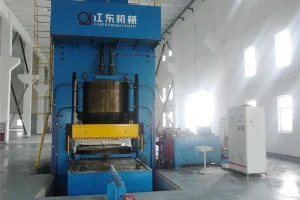
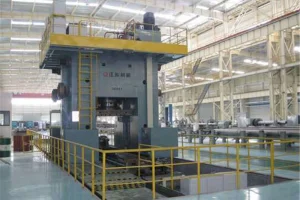
Providing Information Gain on Global Standards, Safety Integration, and Advanced Thermoset/Thermoplastic Processing
The global shift toward weight reduction in aerospace, electric vehicles (EV), mass transit, and heavy electrical infrastructure has propelled composite materials to the forefront of materials science. Among the techniques to process these advanced polymers and fiber-reinforced materials, hydraulic-powered composite molding production lines are paramount. However, operating heavy machinery at high pressures (up to 50,000 kN or more) and high temperatures requires strict adherence to international safety parameters. For exporters and global manufacturers, securing a CE Certified Composite Molding Production Line is not just a regulatory hurdle—it is an absolute benchmark of structural integrity, operational reliability, and risk mitigation.
Composite molding consists of compressing or injecting matrix resins combined with glass, carbon, or aramid fibers under controlled thermal and force profiles. A modern automated manufacturing line incorporates specialized presses designed to handle complex cure cycles. These systems integrate multiple subsystems: advanced temperature control units (oil or electric cartridge heaters), automated raw material feeding (gantry loading systems, preform robots), high-vacuum venting equipment, and final component extraction mechanics.
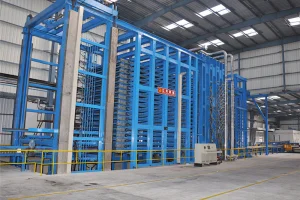
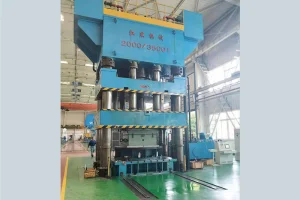
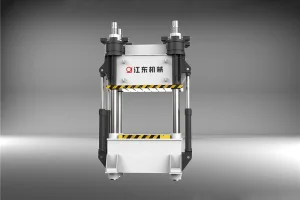
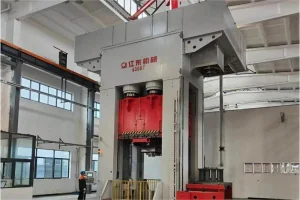
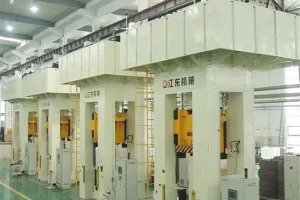
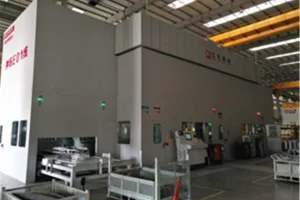
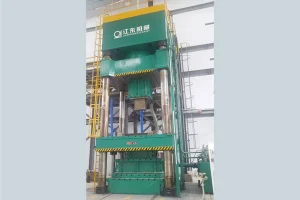
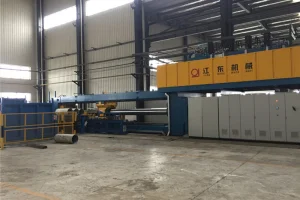
Comprehensive shaping and forging systems developed by Jiangdong Machinery, covering metallic sheet forming, complex composite components, and specialized industrial sectors.
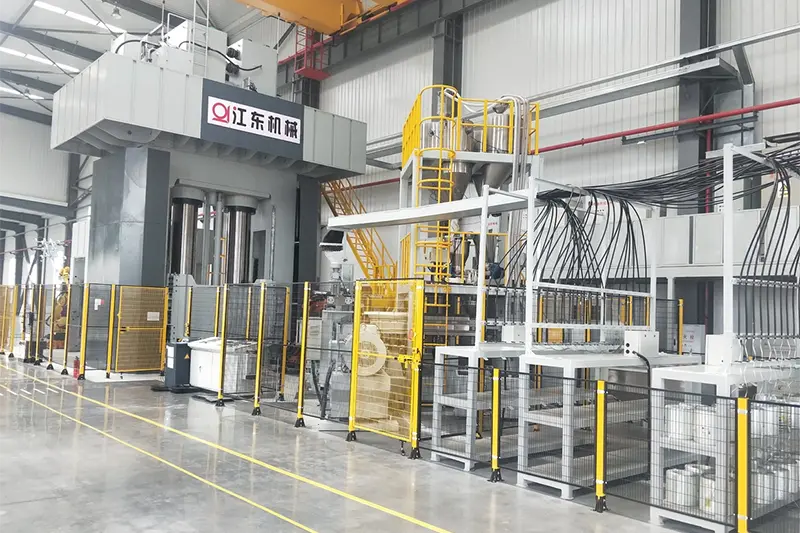
LFT-D (Long-Fiber Thermoplastic Direct)
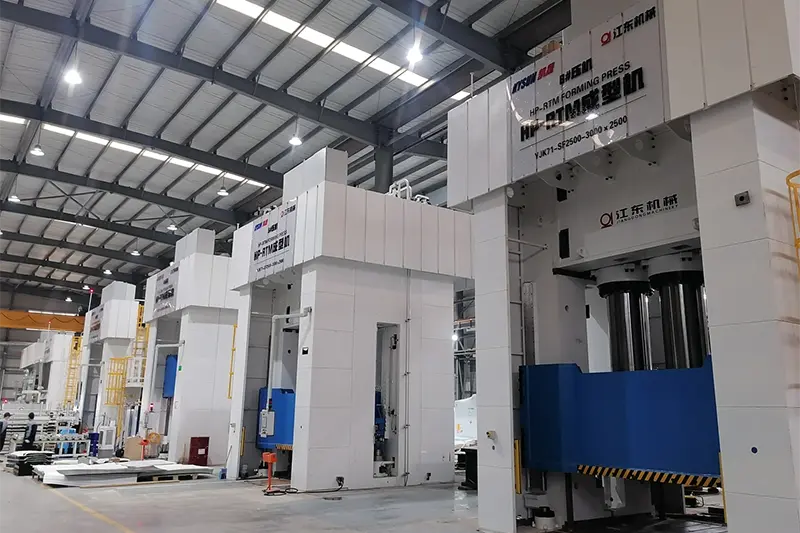
HP-RTM (High Pressure Resin Transfer Molding)
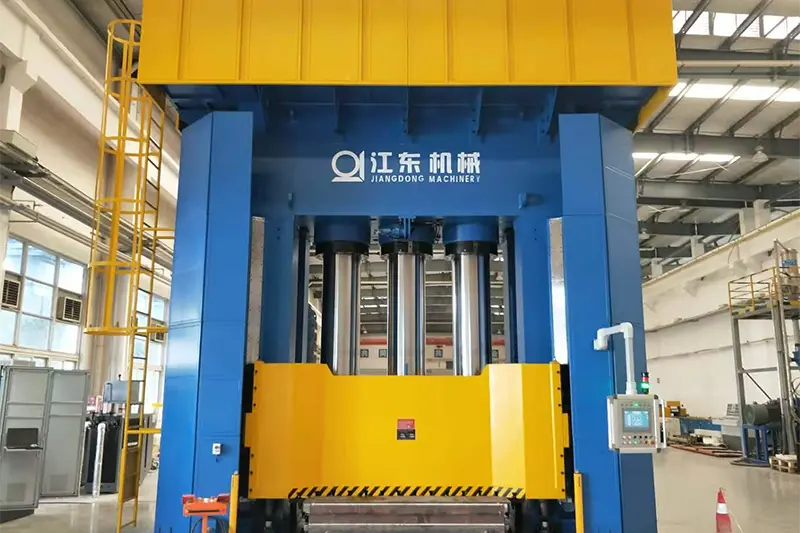
SMC / BMC / GMT / PCM Composite Forming
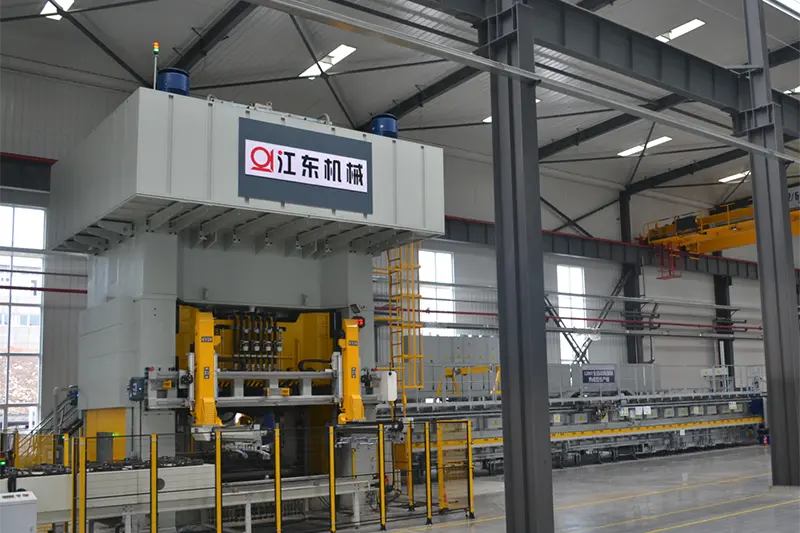
Hot Stamping Hydraulic Press Production Line
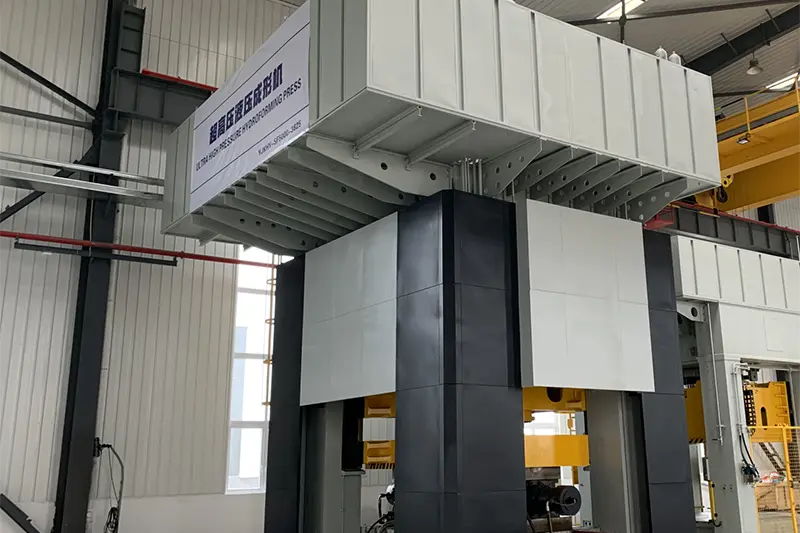
Hydroforming-Internal High Pressure Press Line
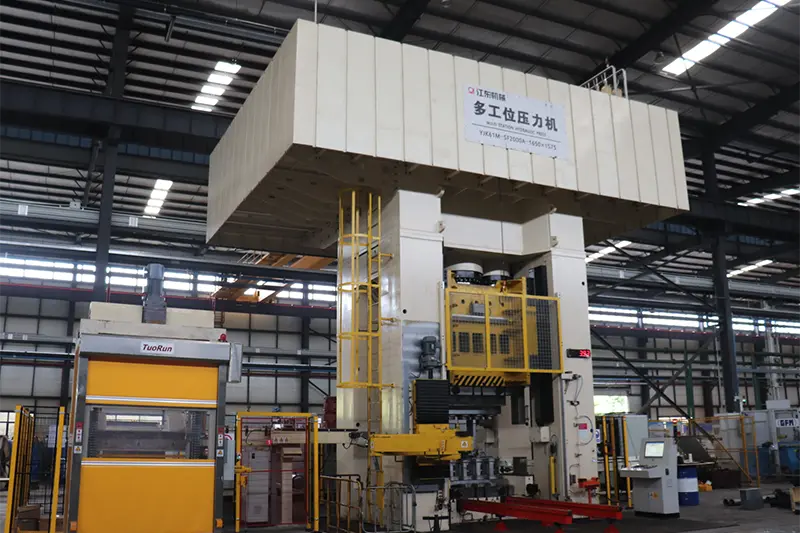
Multistation Extrusion Forging Production Line
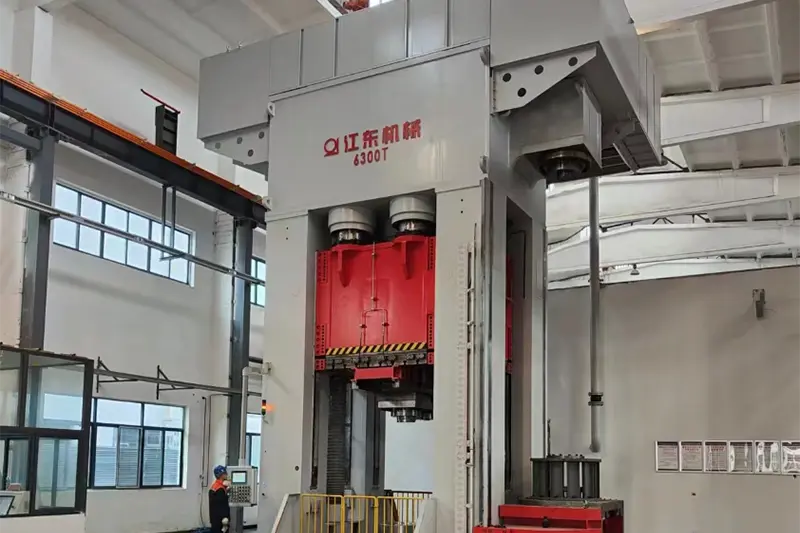
Iso Thermal Forging Presses
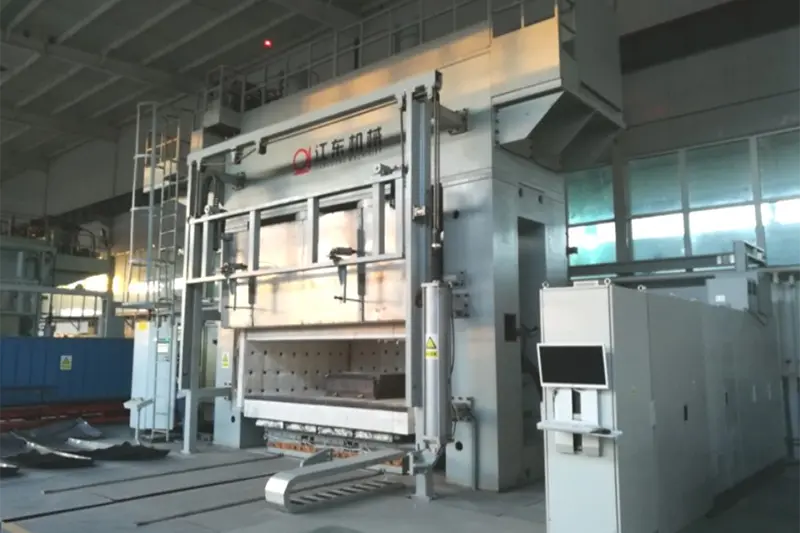
Superplastic Forming Systems
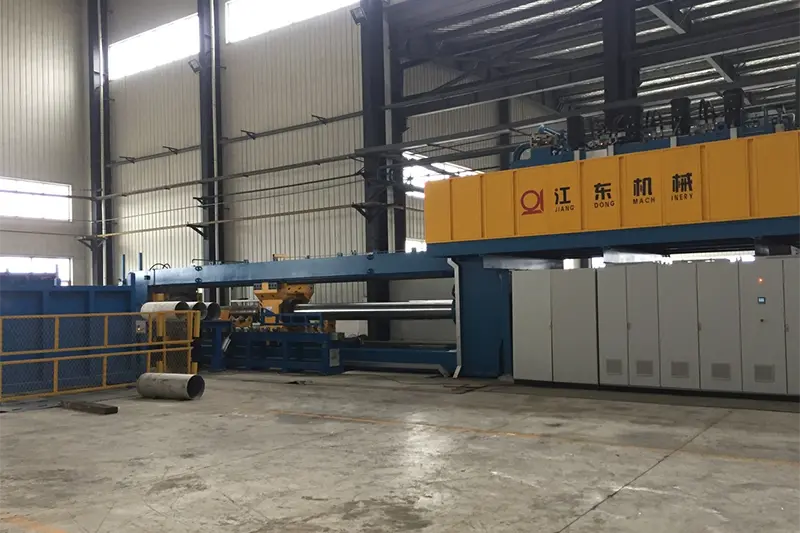
Gas Cylinder Bullet Housing Stretching Line
Entering European economic zones or working under stringent multinational corporate guidelines requires comprehensive safety declarations. CE marking serves as verification that our composite molding machinery fulfills the requirements of relevant European safety directives. These directives include:
This directive dictates mechanical structural parameters, structural durability calculations, hazard zone isolations, and load holding capabilities. Under this framework, composite molding presses must prevent physical access during closing phases unless safeguarded by safety-rated optical grids or interlocked mechanical gates. Double-hand controls and safety PLCs ensure that operating staff can never enter hot mold areas while the slide is moving.
Heavy machinery uses extensive high-power electrical components (e.g., servo-pump motors, induction heating coils). EMC certification ensures that these large electric fields do not interfere with nearby computing hardware, wireless communications, or other industrial control systems.
Ensuring that the cabinet wiring, motor installations, terminal boxes, and heating systems are fully insulated and grounded, preventing risk of high-voltage shock to service teams and facility operators.
Securing high-grade machinery from an experienced Chinese manufacturer provides unparalleled advantages. Benefitting from a robust local raw-material supply chain, Chongqing Jiangdong Machinery integrates high-strength casting bodies, sophisticated structural weldments, and complex hydraulic circuits at competitive costs. Our specialized engineering teams handle everything from basic calculations to mechanical optimization, PLC programming, structural FEA analysis, and final assembly, ensuring top-tier engineering is delivered efficiently.
Jiangdong Machinery is dedicated to understanding and matching customer needs. We provide comprehensive, customized, one-stop solutions spanning mechanical systems, tooling, software integration, and maintenance support.
Global procurement teams often fear purchasing equipment from abroad due to potential operational and maintenance bottlenecks. Overcoming this gap requires structured localization frameworks and deep commitments to reliability. At Jiangdong Machinery, we address this through a three-pronged strategy:
Every CE-compliant composite molding line is equipped with remote diagnostic modules. Utilizing secure VPN channels, our control engineers in Chongqing can monitor live PLC states, troubleshoot proportional valve calibrations, update software profiles, and assist on-site operators immediately. This drastically reduces downtime during critical production cycles.
We work in collaboration with regional mechanical and electrical contractors. Our partners are trained to handle maintenance, hydraulic oil purification audits, and rapid-response safety checks. They ensure safety locks and light curtains function in accordance with regional occupational safety regulations.
Critical mechanical and hydraulic components (such as seal kits, sensor rods, hydraulic solenoid coils, and heating elements) are stored in regional hubs or pre-packaged into a "critical spares package" shipped alongside the machinery. This guarantees that replacement parts are always within reach.
Chongqing Jiangdong Machinery Co., Ltd. is a comprehensive forging company integrating R&D, production, sales, and service of hydraulic presses, lightweight forming technology, lightweight parts, hot and cold stamping dies, metal castings, etc.
Our advanced research and development of hydraulic presses and production lines feature cutting-edge automation, intelligence, and flexibility. Jiangdong Machinery provides customers with diverse metal and non-metal hydraulic forming equipment and integrated forming technology solutions, particularly in automotive lightweighting.
From conceptual layout calculations to long-term preventative maintenance and spare parts supplies, we ensure your production lines run reliably.

Bespoke structural layouts, mold integrations, and automation line configurations.

24/7 industrial IoT monitoring, remote diagnostics, and programming support.

Regular hydraulic checkups, wear and tear assessments, and calibration validation.

Engineering consultation, optimization modeling, and operator training programs.

Strategic inventory of OEM valves, sensor rods, sealing rings, and electrical components.
Recertification verification and safety system evaluations for international facilities.
The manufacturing landscape for composites is undergoing rapid transformation, driven by environmental goals and the transition of transit systems towards electric power. High-volume, high-performance composites are essential to reduce vehicle weights, extend EV battery ranges, and decrease carbon footprints across industrial applications. Key technological trends driving this shift include:
Traditional hydraulic systems operate under constant motor speeds, resulting in high energy loss. The integration of servo-driven pumps allows the hydraulic system to match speed and pressure demands dynamically. During curing dwell periods, the motor output scales back to minimal levels, reducing energy use by up to 50% compared to standard hydraulic units.
Processing advanced materials like carbon fiber reinforced plastics (CFRP) requires heating and cooling molds rapidly within a single cycle. Advanced PLC interfaces monitor water/oil thermal systems, coordinating heat ramps to allow optimal resin flow, followed by rapid cooling to solidify the component before automated ejection. This reduces overall cycle times significantly.
Thermoplastics are recyclable, unlike traditional thermoset matrices. Next-generation molding presses incorporate dedicated recycling feeding stages, allowing flash and scrap materials to be processed back into secondary LFT compounds in a single, continuous system.
When selecting a manufacturer for a composite molding production line, procurement teams must look beyond initial costs. A complete technical evaluation should prioritize:
Get expert insights on compliance, installation, operation, and technological customizability.
CE certification proves the production line meets key safety, health, and environmental standards within the European Economic Area. This includes compliance with the Machinery Directive (2006/42/EC), Low Voltage Directive (2014/35/EU), and EMC Directive (2014/30/EU). Without this, machines cannot clear customs, and operators are barred from installing the system in EU facilities.
Active parallelism control monitors the position of the press slide at all four corners using linear transducers. If an offset load is detected during compression, the PLC adjusts hydraulic pressure through high-frequency proportional valves. This prevents mold alignment shifts, reduces tooling wear, and maintains consistent wall thickness for complex molded parts.
Yes. By configuring the press control systems with dual mode profiles, the machine can handle thermosetting materials (such as SMC, BMC, or HP-RTM epoxy) which require heat cure cycles, as well as thermoplastic compounds (such as GMT, LFT-D, or organo-sheets) requiring heated consolidation and rapid mold cooling. The PLC saves recipe profiles for easy switching between materials.
We install integrated industrial IoT modules linked directly to the system's central computer. With client authorization, our engineers connect securely to diagnose hydraulic valve states, update system software, calibrate sensors, and assist localized maintenance teams, minimizing the need for on-site visits.
Key safety systems include safety PLCs, safety light curtains at feed areas, locked mechanical gates, dual-channel valves for slide descent safety, mechanical drop-locks to secure the slide in the top position during mold changes, and dual-hand control stations for initial clamping operations.
May 2026
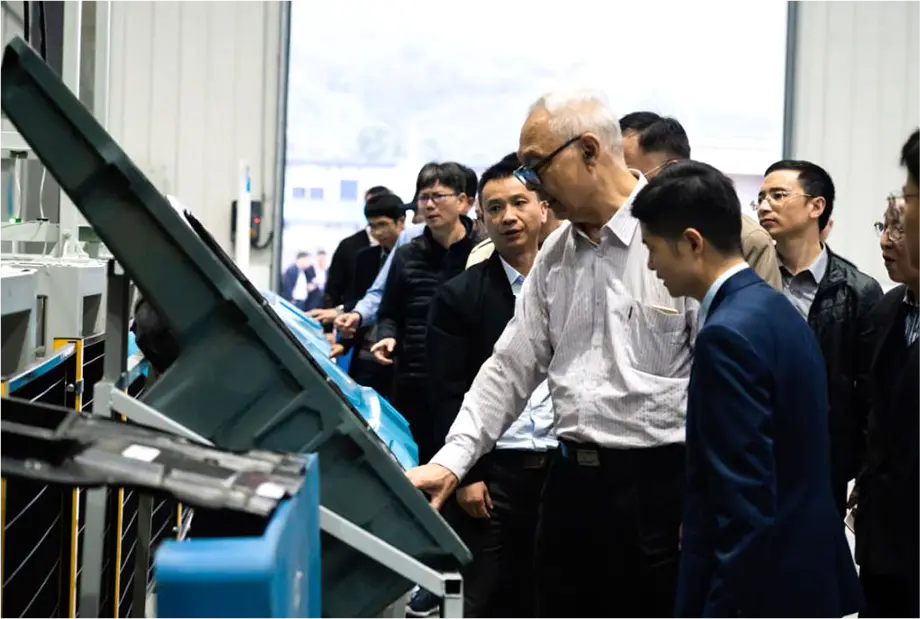
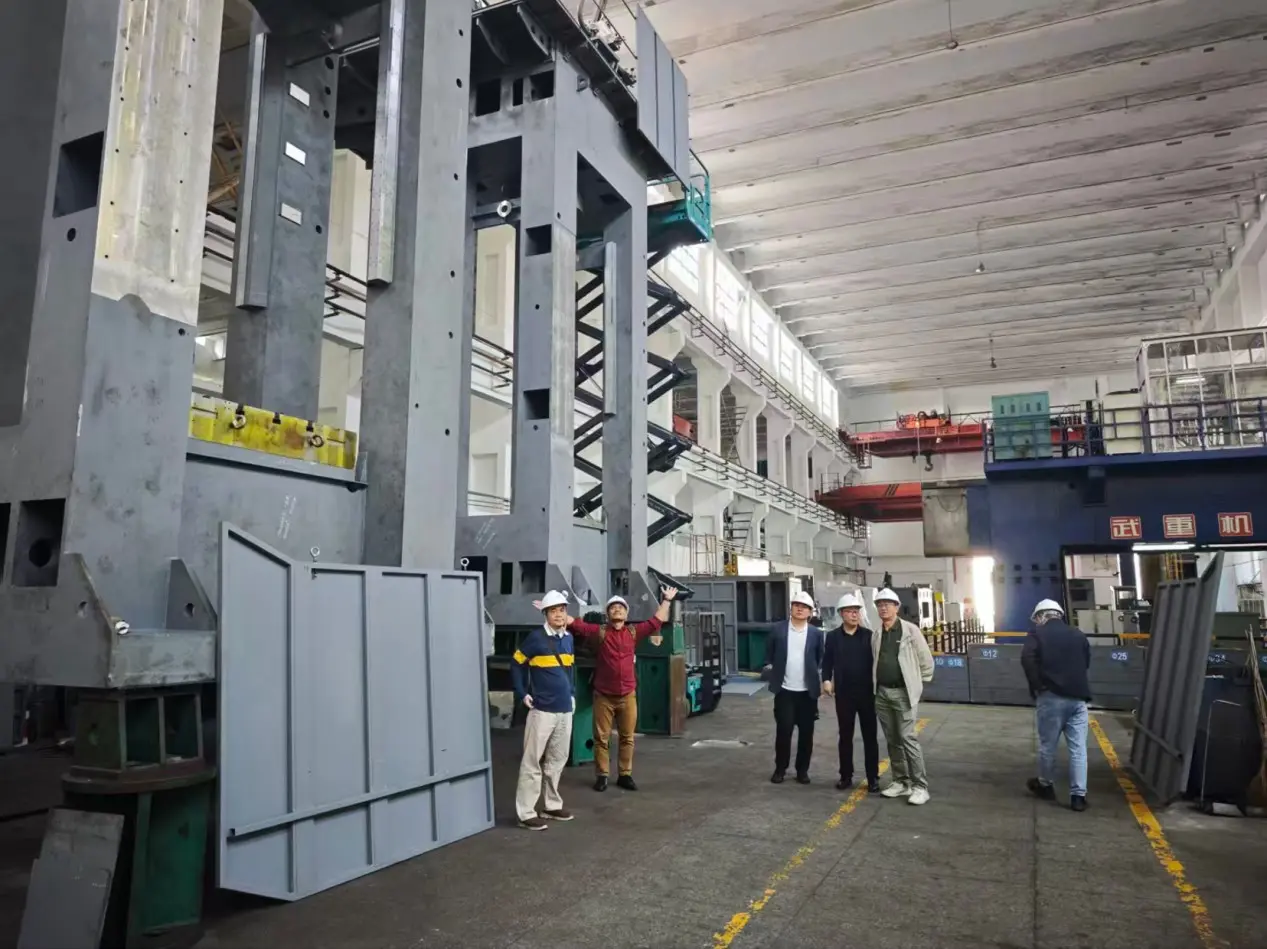
Recently, a delegation of Indonesian customers visited Jiangdong Machinery to inspect its capabilities, product quality and technical strengths, laying a solid foundation for collaborative lightweight forming projects.
Mar 2026
With the arrival of the new year, everything feels fresh and renewed. Recently, multiple partners from countries including Thailand, Indonesia, and Malaysia have successfully visited our manufacturing bases.
Nov 2025
Chongqing Jiangdong Machinery Co., Ltd., a leading enterprise in China's metal forming and composite molding machinery, is showcasing its newest systems designed to meet international safety and CE standards.
Providing precision performance, high-speed cycling, and custom capabilities across our complete machinery catalog.