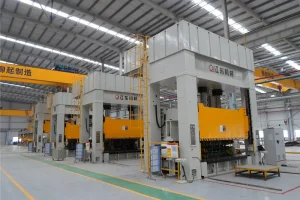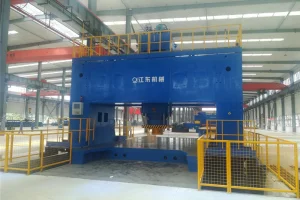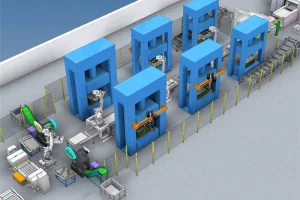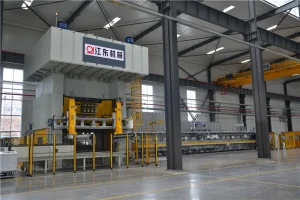
Explore our industrial hot forging presses and highly automated manufacturing cells engineered for extreme duty operations and aerospace-grade repeatability.
Hot forging is the backbone of heavy metal transformation. Operating at temperatures exceeding the recrystallization threshold of metals (typically over 1200°C for structural steels and titanium alloys), hot forging rearranges the grain structure to align with the part geometry. The result is components characterized by superior yield strength, fatigue resistance, and toughness compared to cast counterparts.
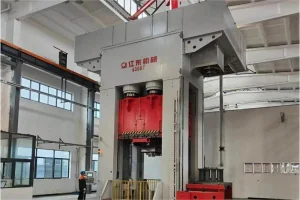
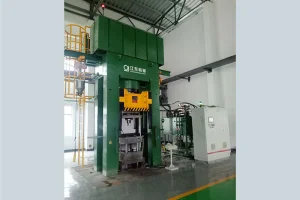
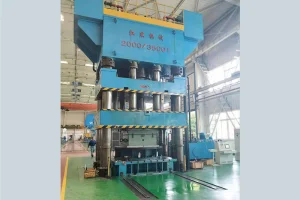
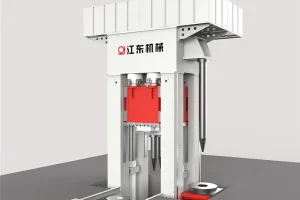
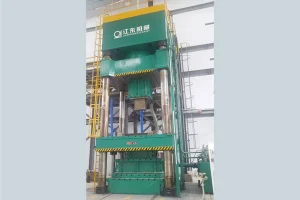
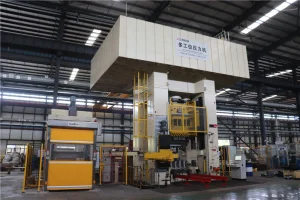
As a global pioneer in forging system engineering, Chongqing Jiangdong Machinery Co., Ltd. delivers heavy-duty hydraulic press configurations designed for complex metallurgical environments. Our machinery provides the precision stroke speed control, temperature stability, and multi-directional force vectors required to execute high-tolerance isothermal forging, superplastic forming, and complex multi-station extrusion cycles.
Why Tier-1 industrial buyers partner with Chongqing Jiangdong Machinery for advanced hot forging lines.
We combine structural optimization (FEA analyses), hydraulic pump/valve design, active electrical programming, custom hot and cold die construction, and automation robotic integration under a single manufacturing infrastructure to eliminate third-party delays.
Equipped with state-of-the-art testing centers, our facility operates strictly under IATF 16949 and ISO 9001 quality framework matrices. Our high-tonnage structural castings undergo rigorous ultrasonic non-destructive testing (NDT) to prevent failures.
Based in Chongqing, the hub of Chinese heavy engineering and automobile manufacturing, we leverage raw material pricing advantages, a robust logistics pipeline, and an experienced engineering workforce to reduce system costs by up to 35% compared to Western manufacturers.
Explore our primary manufacturing categories spanning high-speed hot stamping, metal forging, composite compression, and special industrial forming.
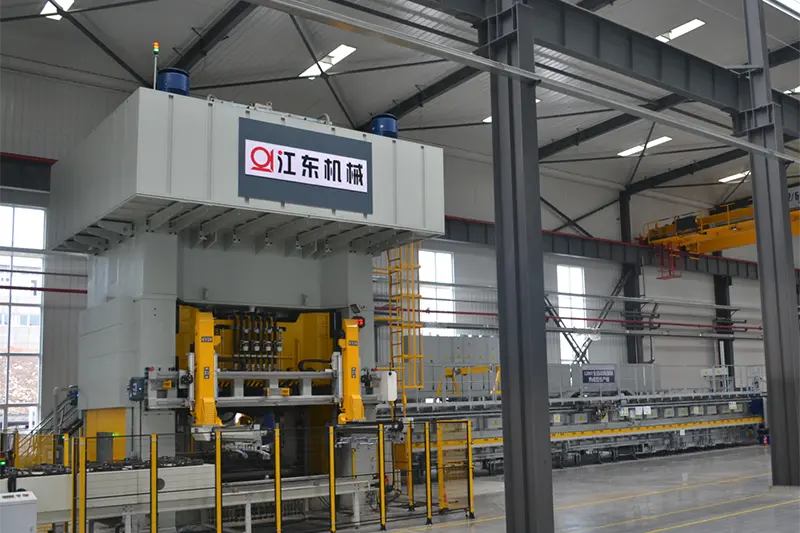
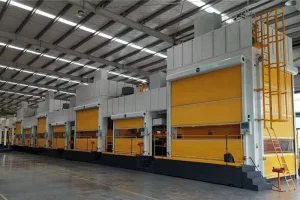
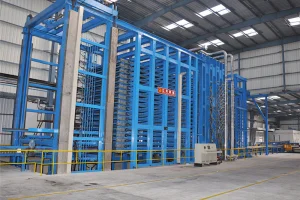
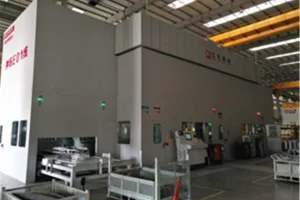
Fully integrated press lines designed for ultra-high strength steel (UHSS) and lightweight structural automotive components.
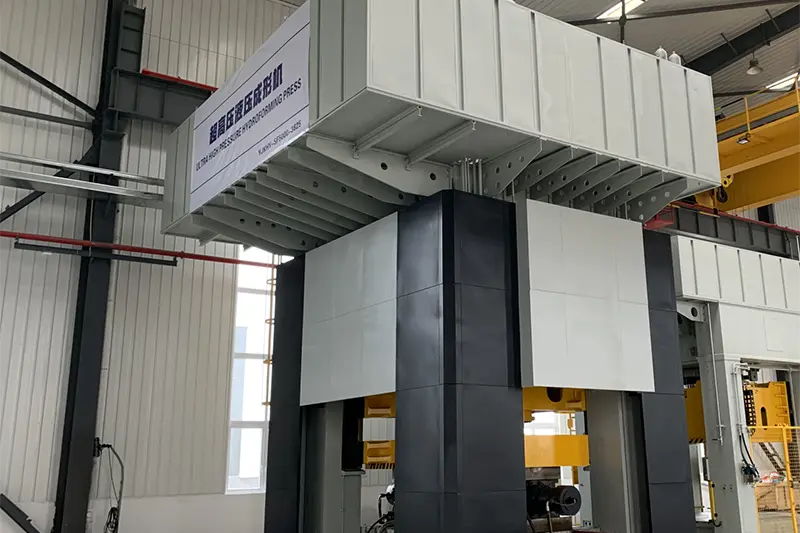
Engineered for complex hollow structural profiles, reducing weld seams and part counts for structural chassis parts.
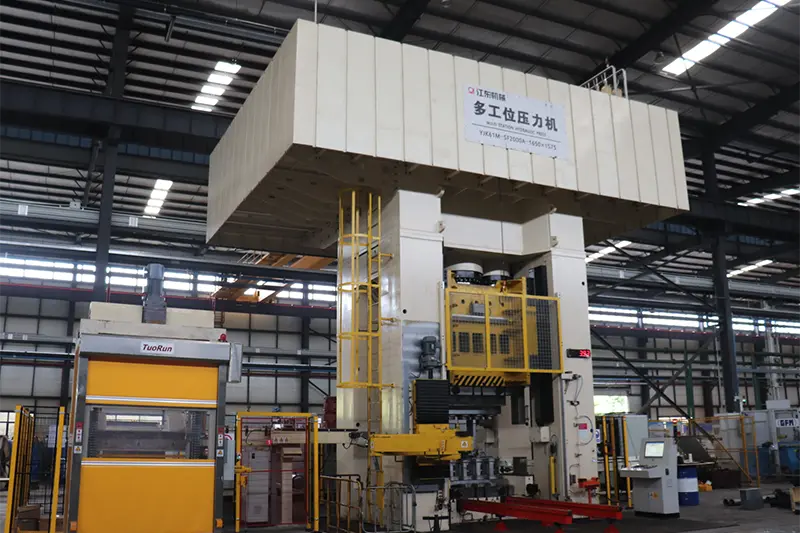
Highly efficient mass production cell utilizing progressive automated transfer systems for multi-stage parts forging.
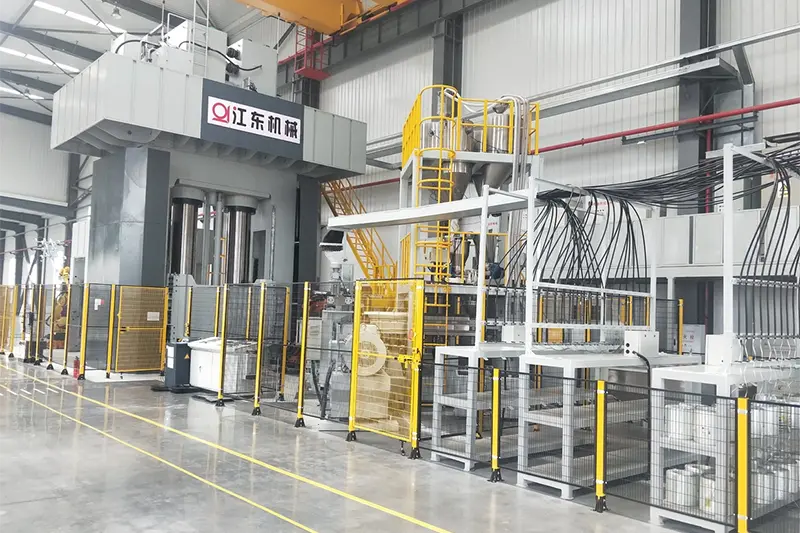
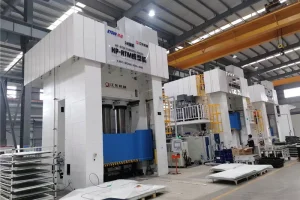
One-step compression molding lines combining extrusion compounding with compression forming for high-strength composites.
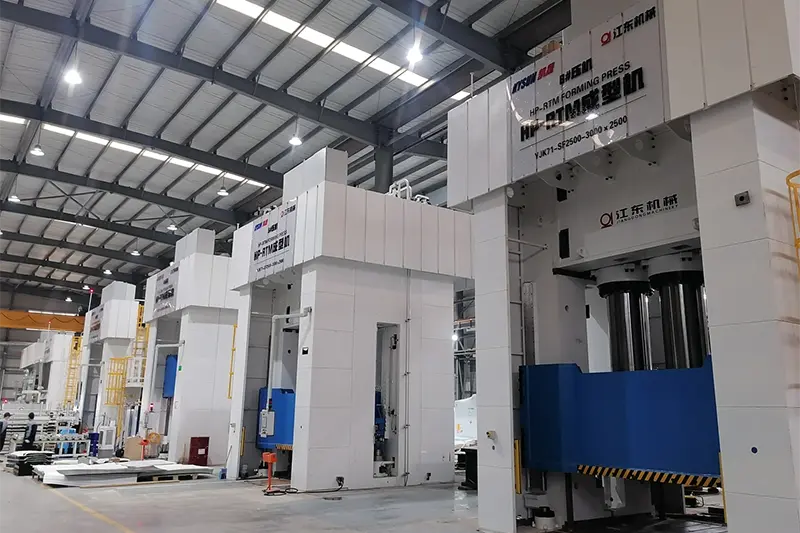
Optimized high-pressure resin infusion systems for structural carbon fiber reinforced plastics (CFRP).
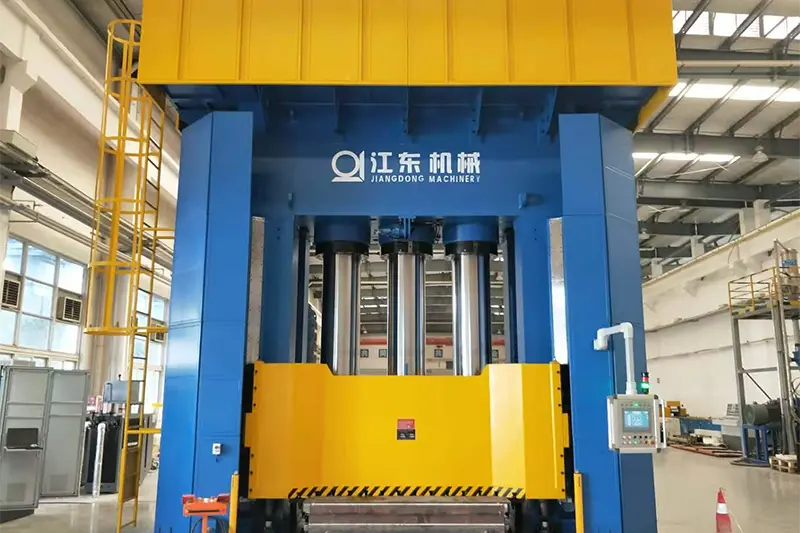
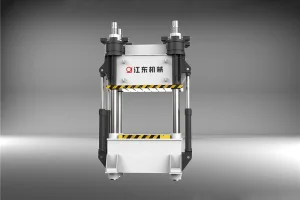
High-precision multi-stage thermoforming hydraulic presses with precise leveling control systems.
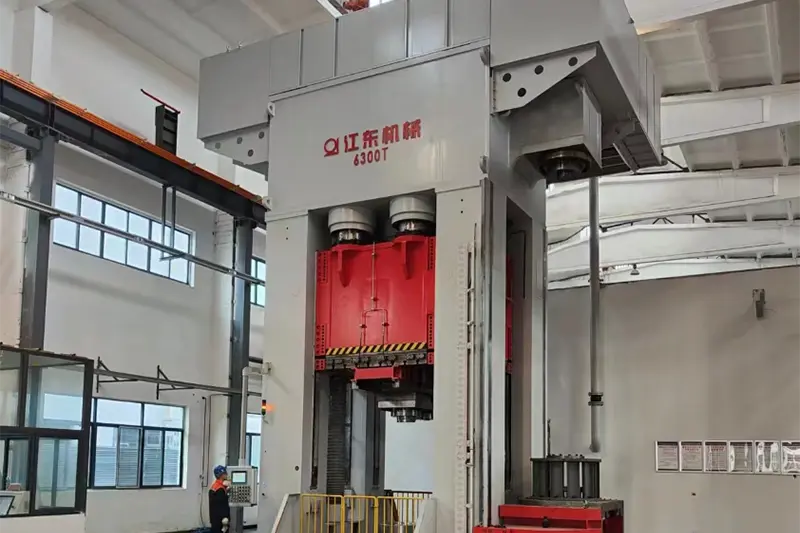
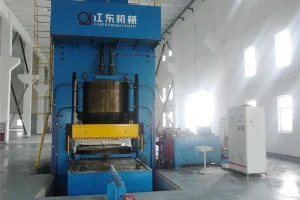
Maintains constant billet temperature through heated die plates for close-tolerance turbine discs and critical flight components.
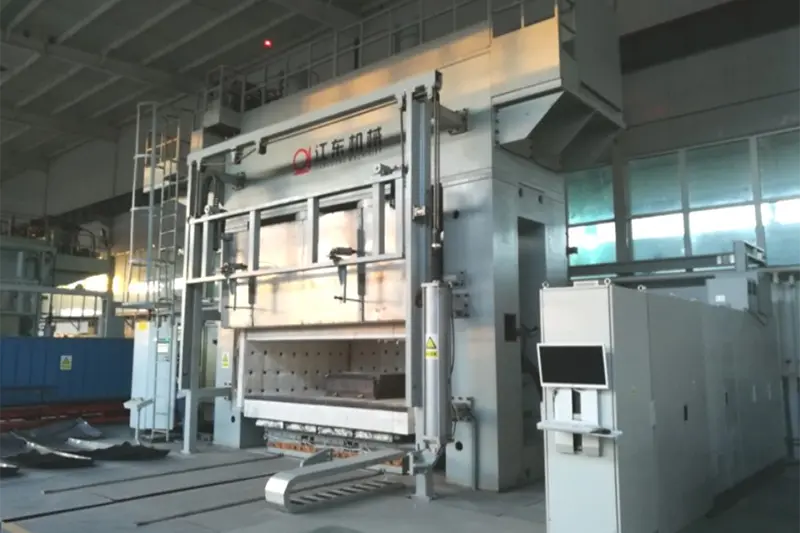
Enables large elongation ratios in titanium and aluminum alloys under precise hot gas pressure control.
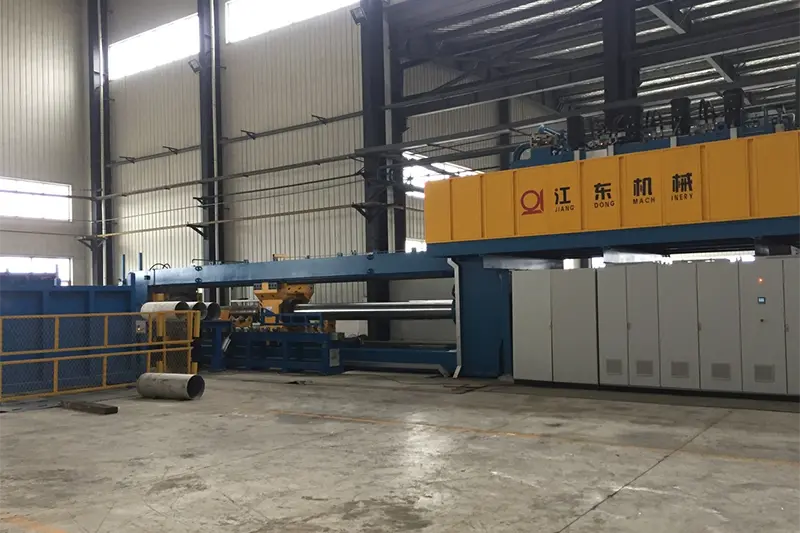
Deep drawing stretching systems for pressure vessels, industrial gas cylinders, and military casing production.
Strategic industrial applications engineered to solve global challenges in metallurgy, composite formation, and structural lightweighting.
Chongqing Jiangdong Machinery provides complete factory solutions. From simulation validation (AutoForm, PAM-STAMP) and physical die design to mechanical installation, hydraulic synchronization, and system commissioning, we eliminate production integration headaches.
| Equipment Type | Clamping Force (Tons) | Slide Stroke (mm) | Key Application | Certification Compliance |
|---|---|---|---|---|
| Isothermal Forging Press | 1,000 - 20,000 | 800 - 2,000 | Titanium / Nickel Aero Turbine Discs | ISO 9001, CE, IATF 16949 |
| Hot Stamping Production Line | 800 - 3,200 | 600 - 1,200 | High-Strength Auto A-Pillars & Bumper Beams | CE, UL, IATF 16949 |
| SMC Composite Press | 500 - 5,000 | 1,000 - 2,500 | EV Battery Enclosures, Composite Body Panels | ISO 9001, CE, ASME |
| Hydroforming Line | 1,000 - 10,000 | 800 - 1,800 | Chassis Subframes, Engine Cradles | CE, CSA, IATF 16949 |
Crucial technological vectors reshaping global metallurgical processing and press line configurations.
Regulatory frameworks pushing for lower carbon footprints are accelerating the adoption of servo-driven hydraulic units. Standard hydraulic systems lose energy through continuous pumping cycles. Modern servo-controlled systems operate on-demand, reducing baseline energy consumption by up to 50% while lowering oil temperatures and extending seal lifetimes.
Industrial Internet of Things (IIoT) sensors are standard in modern hot forging lines. Accelerometers, pressure transducers, and thermal cameras track system vitals. Artificial intelligence models analyze real-time data to identify pump wear, valve leaks, or micro-cracks before they lead to catastrophic line stoppages, assuring maximum uptime.
Automobile chassis parts require complex, single-piece geometries to save weight while retaining crash structural integrity. This transition drives the adoption of isothermal forging and superplastic forming lines capable of shaping complex titanium, aluminum, and advanced composite parts with low mechanical tolerance requirements.
How our engineering solutions are deployed across major industrial sectors worldwide.
Our hot stamping lines process boron steel sheets at 950°C, transforming blanks into safety-critical automotive parts like A-pillars, B-pillars, and bumper reinforcements. The automated system features integrated water-cooled dies, cooling down the components to room temperature in seconds, producing high tensile strengths of up to 1500 MPa.
For high-reliability flight controls, landing gears, and turbine assemblies, we deliver large-tonnage isothermal forging presses. These systems prevent temperature drops during forming, avoiding residual stress zones and preserving optimal microstructures in costly titanium alloys.
We build deep drawing and stretching presses for manufacturing seamless gas cylinders, high-pressure hydrogen tanks, and defense projectile casings, satisfying strict ASME Sec VIII and ISO 11119 regulations.
Crucial steps for international procurement departments auditing hot forging manufacturers.
We deliver comprehensive technical support to keep your operations running smoothly, from initial installation through system modernization.

Bespoke hydraulic presses customized to special product requirements.

Secure cloud monitoring, troubleshooting, and remote PLC programming.

On-site structural audits, hydraulic valve calibrations, and upgrades.

24/7 access to engineering support for electrical and hydraulic systems.

Direct supply of components, valves, and custom cylinders.
Keep up with our latest technical visits, international partnerships, and global trade shows.
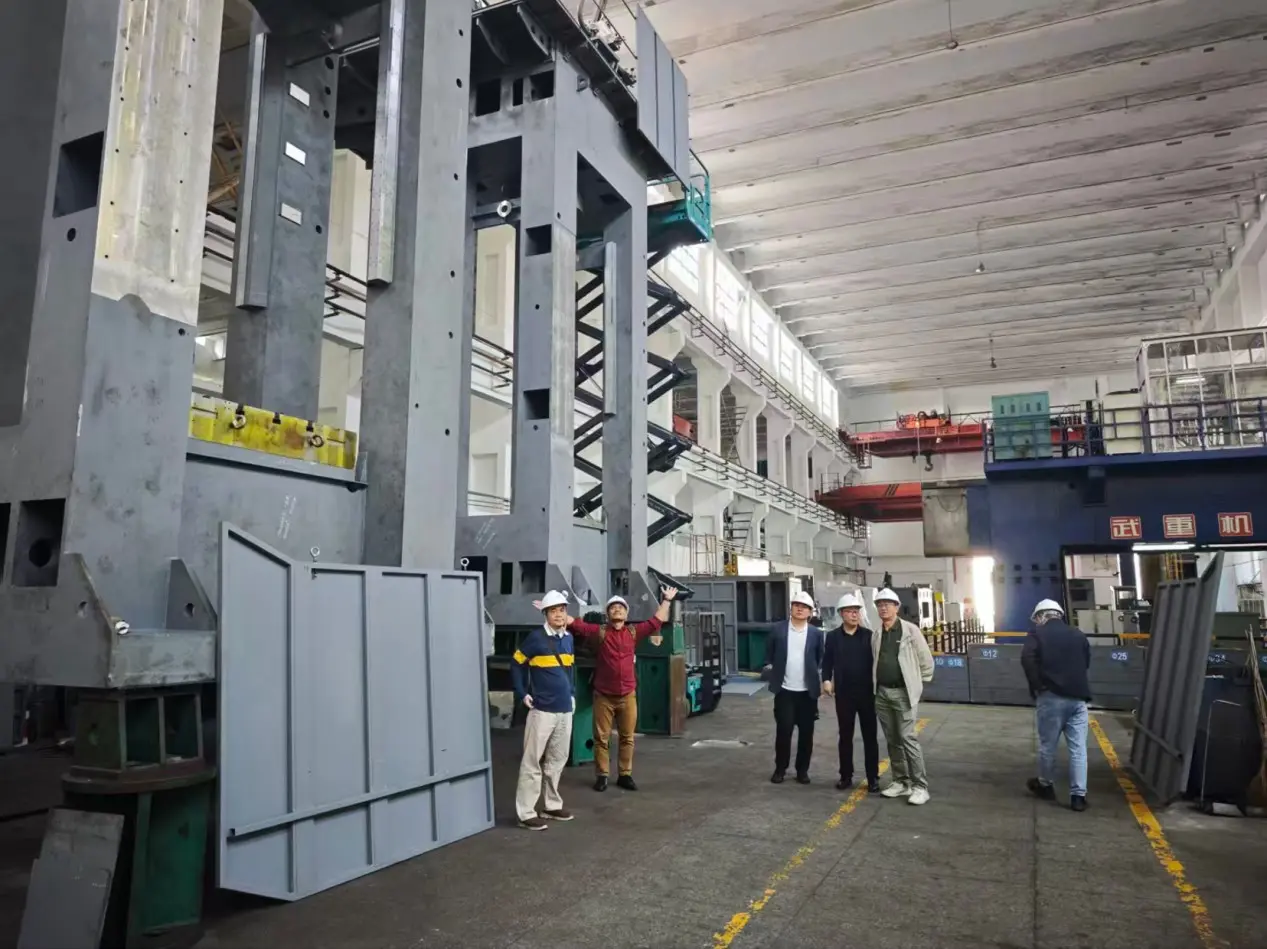
2026/May
A delegation of Indonesian manufacturing buyers visited our production facility to evaluate structural build quality and witness live runs of our automotive hot stamping cells.
Multiple client partners from Thailand, Indonesia, and Malaysia completed plant visits to inspect our large-tonnage compression and superplastic forming presses.
Chongqing Jiangdong Machinery, a major Chinese forming technology exporter, will present its line of composite compression and intelligent press equipment at upcoming global events.
In-depth responses to frequent technical queries about hot forging presses and production lines.
Structural carbon steels are generally forged between 1100°C and 1250°C to achieve recrystallization, which reduces flow stress and prevents cold work-hardening. Aluminum alloys, however, have lower melting points and are forged within a precise range of 350°C to 480°C. Temperature control is critical to prevent grain boundary melting or structural cracking.
In standard hot forging, the die is much colder than the metal billet, causing surface heat loss and limiting detail sharpness. In isothermal forging, the dies are heated to the exact temperature of the billet (e.g., using induction heating systems). This eliminates die-chilling, allowing slow, controlled deformation rates, making it ideal for thin-webbed aerospace structures and superalloys.
Chongqing Jiangdong Machinery uses an active four-corner leveling control system. Linear encoders measure physical slide position in real-time. If the sensor detects a deflection due to uneven material distribution (e.g., during SMC or HP-RTM cycles), high-response proportional cartridge valves adjust local cylinder pressures to maintain perfect parallelism, preventing die collision and part thickness variations.
To provide an accurate technical quote, we require: (1) 3D drawing or exact part dimensions, (2) Base metal specifications and recrystallization target limits, (3) Target cycle time or annual production volume, (4) Automation feeding needs, and (5) Regional electrical code compliance (e.g., UL, CSA, CE).
Below is our specialized machinery catalog. Select a product card to view engineering configurations, stroke parameters, and customization options.