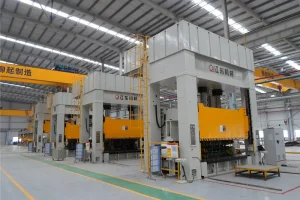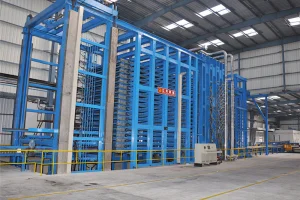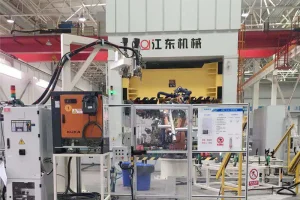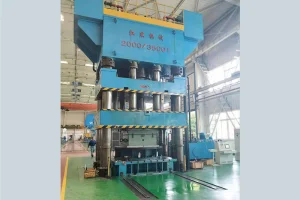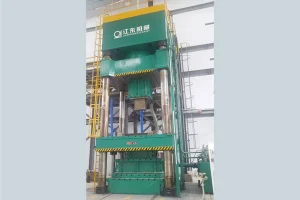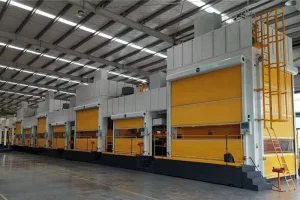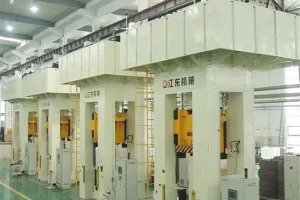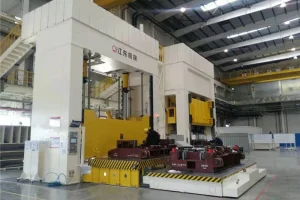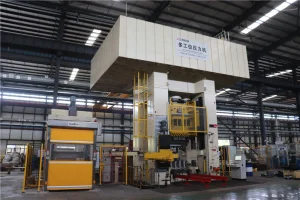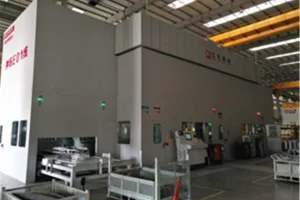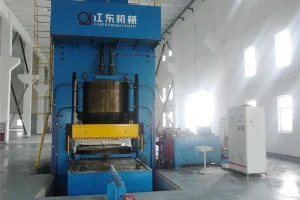
Precision-engineered systems designed for modern metal stamping, forging, and composite molding industries.
In modern industrial fabrication, heavy metalforming and precision composite molding call for machinery that blends raw tonnage with meticulous control. Choosing a 500-ton hydraulic press machine represents a major capital acquisition for tier-one automotive suppliers, aerospace contractors, defense manufacturers, and commercial molding facilities. Sourcing this scale of equipment is not merely a transaction; it requires a deep technical alignment between the manufacturing facility and the engineering exporter.
This whitepaper dissects the technological shifts, deployment scenarios, and supply chain strategies involved in purchasing a 500-ton hydraulic press. By analyzing the global industrial ecosystem and highlighting the integration of intelligent controls, structural dynamics, and customizable tooling plates, we aim to guide procurement officers, engineering leads, and plant managers in making data-driven decisions that secure operational reliability and a strong return on investment (ROI).
The manufacturing sector is undergoing rapid evolution driven by energy policies, carbon-neutral mandates, and the shift toward lightweight materials. 500-ton hydraulic presses are being redesigned to meet these shifting dynamics through key technological trends:
Traditional hydraulic systems operate pumps continuously, generating significant heat and consuming idle energy. Modern 500-ton systems leverage closed-loop servo-motor-driven pump configurations. The motor only rotates when pressure or flow is demanded, cutting energy consumption by up to 50%, minimizing heat dissipation, and lowering cooling fluid requirements.
Intelligent sensors throughout the press monitor oil temperature, pressure profiles, stroke deviations, and vibration parameters. Predictive analytics models process this data at the edge to alert operators of wear on seals, valves, and guide rails before a breakdown occurs, minimizing unscheduled downtime.
Positioning accuracies within microns and tonnage repeatability tolerance levels of less than 1% are now standard. This precision is vital for tasks like fine-blanking and aerospace-grade superplastic forming, where material thickness variations can impact structural integrity.
Additionally, modular tool-changing mechanisms, automated sliding bolsters, and magnetic clamping systems are helping plants reduce changeover times (SMED) from hours to minutes. This flexibility makes a single 500-ton press viable for both high-volume output and high-mix, low-volume runs.
Procuring heavy machinery internationally is complex, involving structural parameters, compliance issues, and logistics management. Industrial buyers seeking a 500-ton hydraulic press look for exporters capable of addressing three key areas:
Chongqing Jiangdong Machinery Co., Ltd. has established itself as an industry leader by focusing on technical innovation and supply chain integration. The company's manufacturing model leverages China's advanced industrial ecosystem to deliver notable advantages:
By grouping casting foundries, heavy machining centers, heat-treatment facilities, and electronic component networks within a tight geographical cluster, Jiangdong Machinery controls the production process from raw ingots to final electrical assembly. This vertical integration keeps fabrication costs competitive while ensuring consistent quality control at every phase.
Additionally, China’s focus on the "Industrial Internet of Things" (IIoT) has driven Jiangdong Machinery to integrate digital-twin simulations directly into the design phase. This allows customers to virtually model their stamping cycle dynamics before the actual iron is cast, minimizing engineering revisions and accelerating delivery timelines. With a history stretching back to 1937, the company combines long-term industrial experience with modern manufacturing technology.
Explore our specialized engineering divisions, spanning sheet metal stamping, composites, and special forming fields.
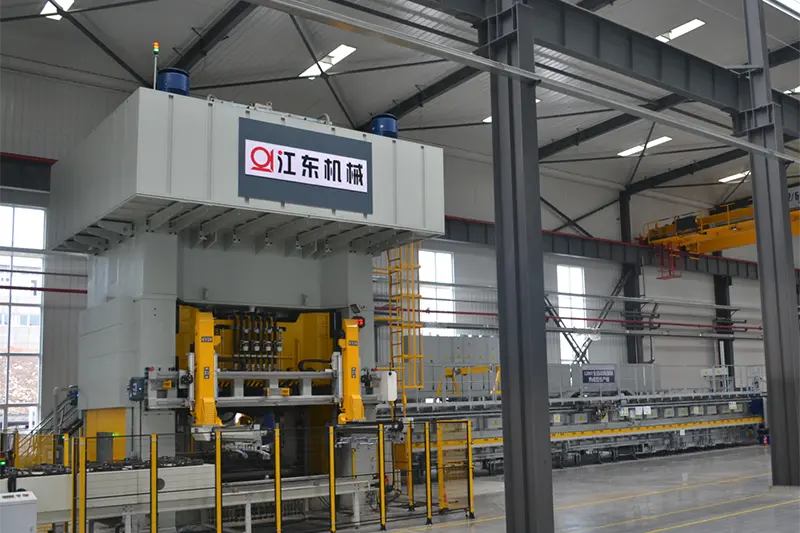
Designed for ultra-high-strength steel forming (UHSS) in automotive crash-safety components, delivering precise temperature controls and fast pressing speeds.
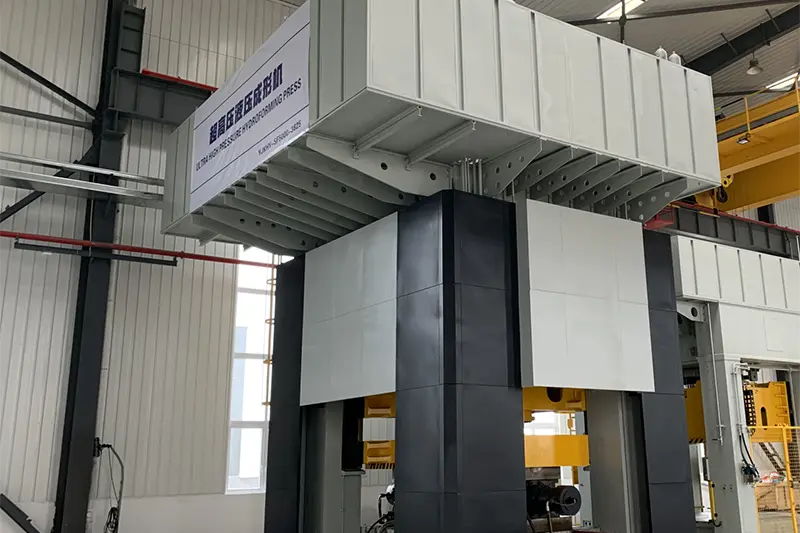
Enables the production of complex, hollow structural parts with high strength-to-weight ratios, suitable for subframes and engine cradles.
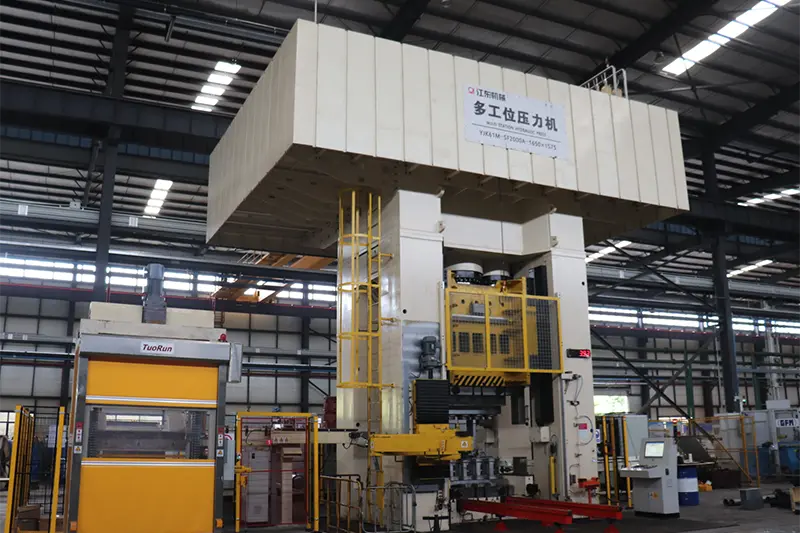
Automated transfer presses engineered for cold/warm extrusion, reducing material waste while maintaining fast throughput for shaft and gear blanks.
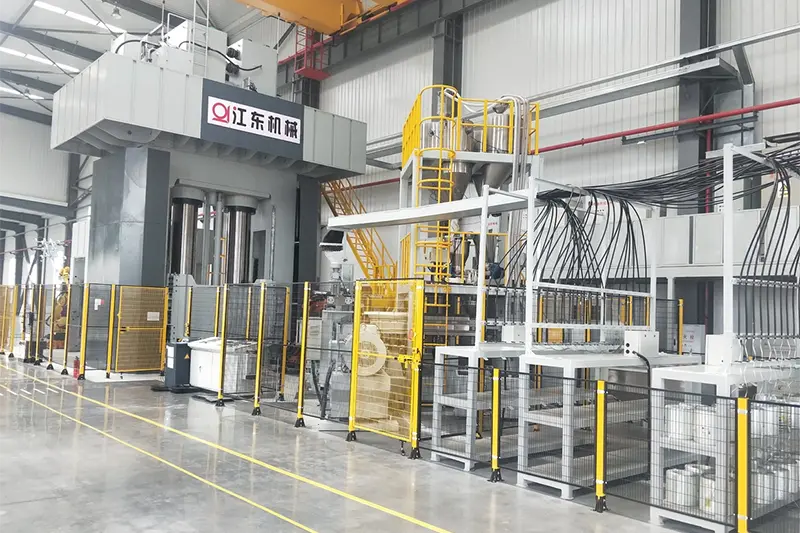
Integrates compounding and compression molding for long-fiber-reinforced thermoplastics, reducing raw material costs and cycle times.
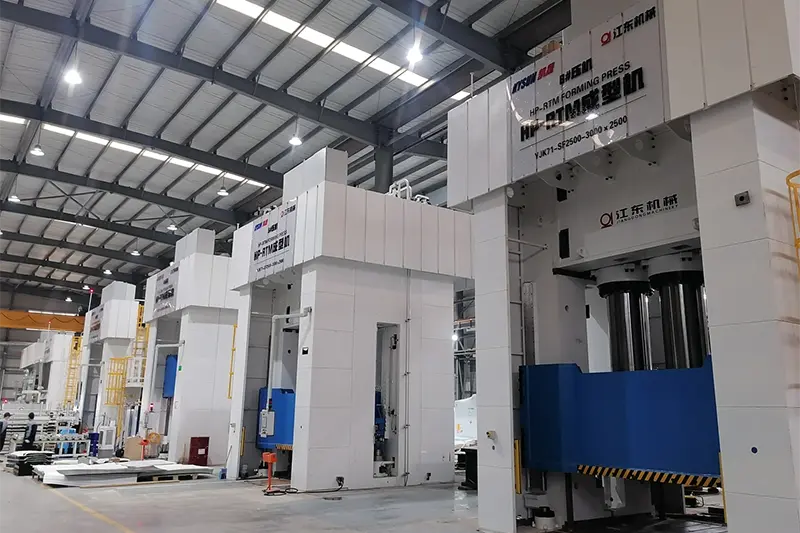
High-Pressure Resin Transfer Molding engineered for structural carbon fiber composites, matching the high-volume cycle needs of modern automakers.
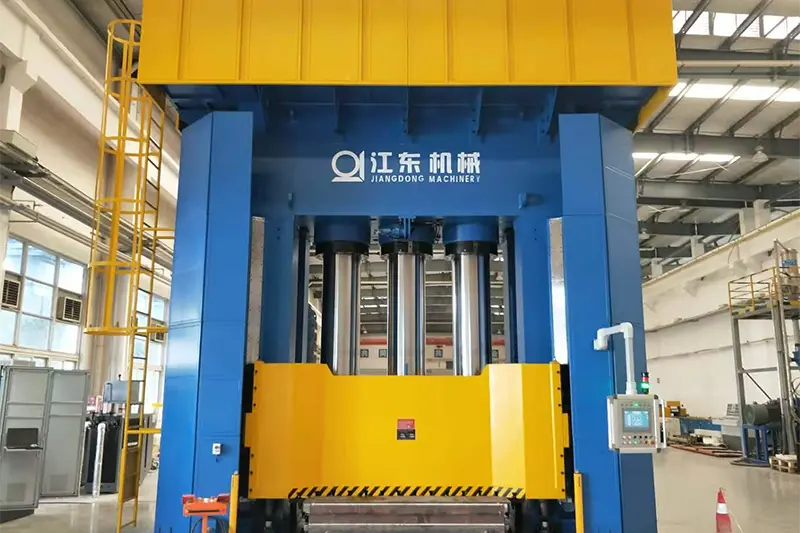
Designed for composite structures, featuring multi-point active leveling systems to control part thickness and density profiles.
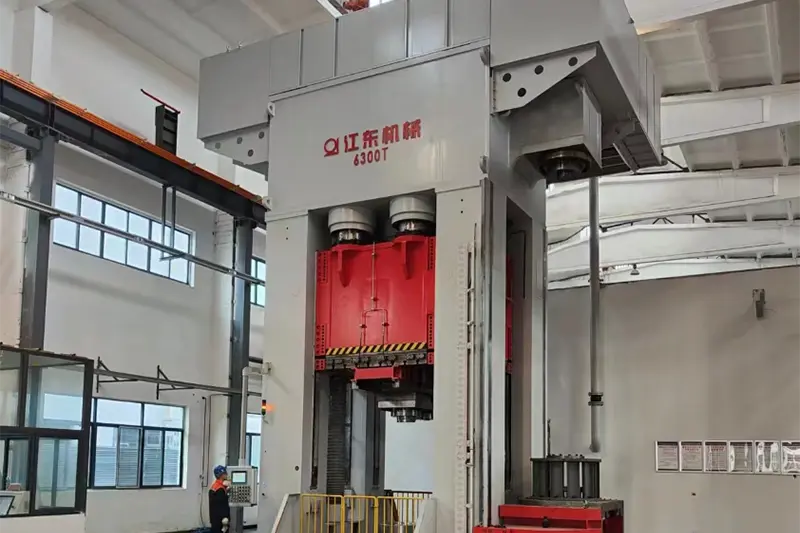
Designed for titanium and superalloys, maintaining constant workpiece and die temperatures during forging to produce aerospace structural components.
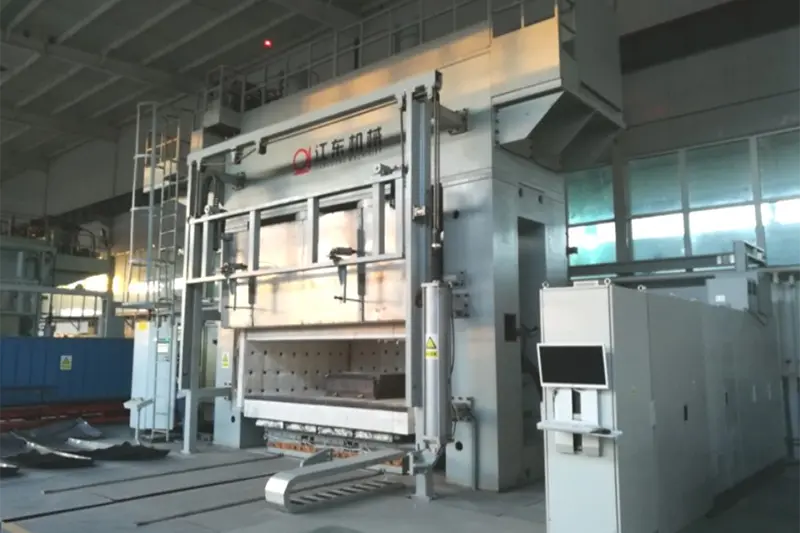
Leverages ultra-low strain rates and gas pressure profiles to form complex single-piece lightweight structures for military and commercial aircraft.
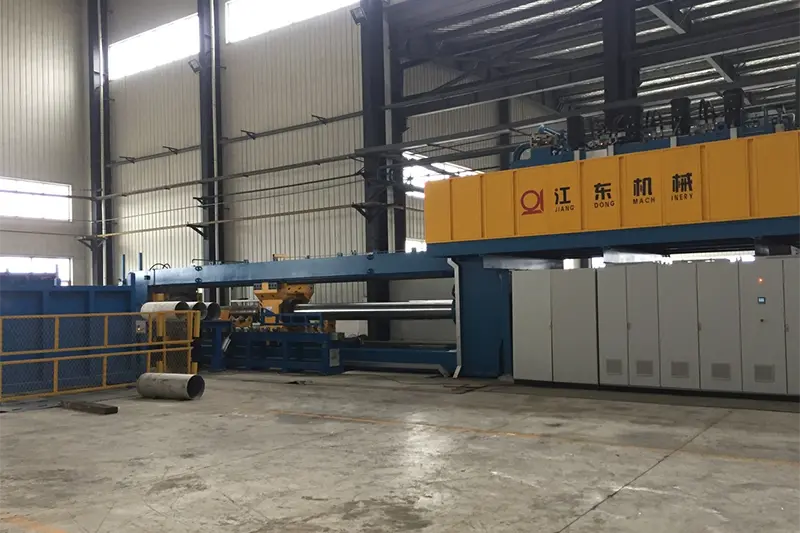
Deep-drawing production systems designed for CNG, LNG, and industrial gas storage cylinders, ensuring uniform wall thickness and safety profiles.
Chongqing Jiangdong Machinery Co., Ltd. (Jiangdong Machinery) is a comprehensive forging company integrating R&D, production, sales, and service of hydraulic presses, lightweight forming technology, lightweight parts, hot and cold stamping dies, and metal castings. The company’s hydraulic presses and production lines feature advanced automation, intelligence, and flexibility.
Additionally, Jiangdong Machinery provides metal and non-metal hydraulic forming equipment alongside integrated forming technology solutions, particularly for automotive lightweighting. Grounded in decades of manufacturing experience, the company assists global partners in designing efficient and reliable production cells.
Jiangdong Machinery is committed to understanding and matching customer requirements, providing buyers with one-stop solutions. We deliver complete engineering integrations, from initial simulation analysis to mechanical construction, die integration, and plant automation.
Complete systems integrating high-pressure generators, water-glycol filtration loops, and quick-acting clamping presses.
Fully automated lines with roller hearth furnaces, rapid transfer automation, and water-cooled tooling integration.
High-efficiency mechanical transfer systems designed for fast multi-stage sheet and extrusion cold/warm forming.
Specialty presses featuring precision tooling heaters, argon gas controllers, and slow ram speeds for exotic alloys.
High-tonnage systems optimized for thermo-setting and thermoplastic composite structures.
Providing global industrial clients with technical assistance, customization options, and spare parts management.

Customized Solutions

Remote Service

Maintenance

Technical Support

Spare Parts
Review the latest corporate milestones, partner visits, and global industry updates from Jiangdong Machinery.
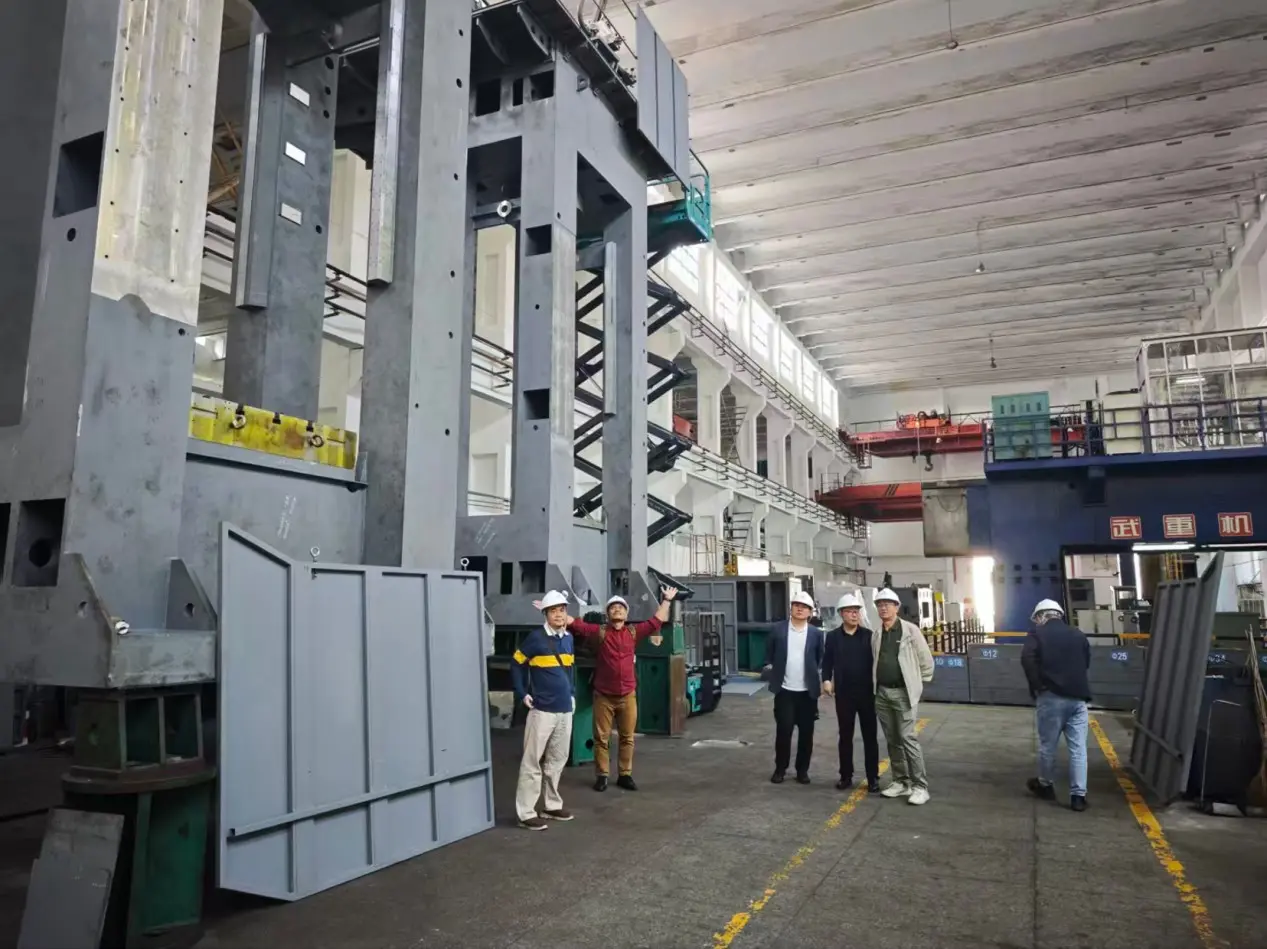
A delegation of Indonesian customers visited Jiangdong Machinery to inspect its manufacturing capabilities, product quality, and technical strengths, establishing a solid foundation for long-term project deployments.
Evaluating state-of-the-art heavy stamping technology and establishing automated production frameworks for emerging Southeast Asian automotive component ecosystems.
Welcoming key partners from Thailand, Indonesia, and Malaysia to coordinate regional machinery commissions and tooling integration guidelines.
Unveiling new high-efficiency servo-hydraulic models designed for global modern markets, with a focus on carbon footprint reduction and reduced cycle times.
In-depth, technical answers to common queries raised by procurement teams, maintenance personnel, and plant managers.
An H-Frame (or straight-side) press structure utilizes four main columns or robust welded side frames. This configuration distributes loads evenly, making it suited for heavy-duty 500-ton applications because it minimizes angular frame deflection. A C-Frame (or open-gap) design offers open access from three sides, simplifying tool set-up and material feeding. However, C-frames are susceptible to structural "jaw-opening" deflection under high tonnages. Consequently, C-frames are rarely used for full 500-ton operations unless they are reinforced for specialized applications like deep drawing or punching.
Servo-driven pumps adjust hydraulic flow dynamically by regulating the motor speed. When the machine is holding pressure or in a standby state, the motor stops or drops to low speeds, minimizing electrical consumption and heat generation. Traditional proportional systems run the main motor continuously at a fixed speed, routing excess oil to the tank via relief valves, which wastes energy as heat. Servo-driven units can reduce electricity usage by 30% to 50%, reduce the size of the required cooling system, and extend the lifespan of seals and hydraulic oil.
A comprehensive RFQ must specify: nominal tonnage (500 tons), structural layout (e.g., tie-rod pre-tensioned H-frame), bolster dimensions (width x depth), slide stroke, daylight (maximum open distance), closing speed, pressing speed, opening speed, bolster slide cushion requirements (tonnage and stroke), slide leveling tolerance, safety level (CE, OSHA, CSA), control system platform (e.g., Siemens S7-1500), and integrated tooling interface connections.
Eccentric loading occurs when tooling shapes are asymmetrical, creating unbalanced forces. Active leveling systems use high-speed proportional valves and linear encoders installed at the corners of the slide. By monitoring real-time cylinder positioning, the controller adjusts the oil flow to each individual cylinder to compensate for tilt within milliseconds. This process keeps the slide parallel to the bed, preserving tooling alignment and preventing premature wear on guide rails.
Transporting a 500-ton press requires careful planning, as the main frame often exceeds standard height and weight shipping limits. The unit is typically shipped partially disassembled, with the cylinder, crown, slide, and bolster packaged separately. The foundation must be designed to support both static loads and dynamic operational forces. Foundations generally involve reinforced concrete pits isolated from the surrounding slab by vibration dampening pads to prevent shockwaves from affecting nearby precision machinery.
Uptime depends on rigorous oil management and contamination control. This requires regular offline fluid filtration, oil chemical analysis, and timely accumulator nitrogen recharge checks. Additionally, regular inspections of proportional valve response times, checks on guide gib clearances, and torque audits on structural tie rods are recommended. Using automated lubrication pumps ensures critical guiding surfaces remain lubricated during high-frequency production cycles.
Review our specialized systems, including die-spotting, drawing lines, and composite materials molding presses.
Connect with our hydraulic press specialists to request customized layout schematics, die-stress calculations, and price details.