
How to Optimize Composite Molding In-Line Press for Efficiency?

Time:2026-08-08 Author:Isabella
0%

In the fast-evolving realm of manufacturing, the efficiency of the Composite Molding In-Line Press is paramount. Experts like Dr. Emily Carter, a renowned specialist in composite manufacturing, emphasize, "Maximizing efficiency in composite molding requires constant innovation and adaptation." Her insights are critical in understanding the intricate dynamics of this technology.

The Composite Molding In-Line Press is designed to enhance productivity while ensuring quality. However, many manufacturers still struggle to optimize this equipment fully. Issues often arise from alignment errors and heating inconsistencies that hinder performance. Attention to detail is essential to refine these processes.

While improvements are being made, there are still challenges that need addressing. Operators may overlook maintenance routines or fail to analyze production data effectively. These oversights can lead to inefficiencies and added costs. Continuous learning and adaptation are crucial in making the most of composite molding operations.
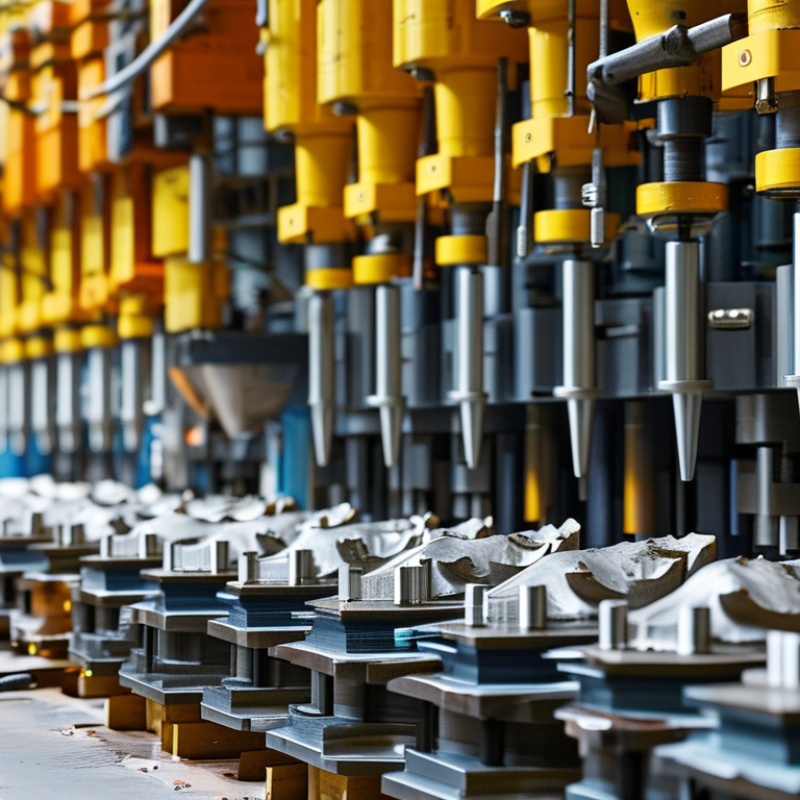
How to Optimize Composite Molding In-Line Press for Efficiency?

Understanding Composite Molding In-Line Press Operations

Understanding Composite Molding In-Line Press Operations

Composite molding in-line presses play a crucial role in manufacturing processes. These systems are engineered to enhance productivity while ensuring consistent quality. However, inefficiencies can arise from various factors, such as press settings, material choices, and workflow integration. Recognizing these nuances can lead to substantial improvements.

**Tips:** Regularly review and adjust press settings to match specific material characteristics. A small adjustment in temperature or pressure can significantly enhance the final product. Collaborating with your team to gather feedback on the molding process may surface insights that can optimize performance.

Moreover, monitoring the material flow ensures an even distribution during molding. Uneven distribution can lead to defects. Implementing a feedback loop with operators is beneficial. Their hands-on experience often uncovers inefficiencies that data alone may not reveal.

**Tips:** Train your team on the importance of material handling. Consider how different materials may affect processing times and final quality. Consistent training sessions can foster a culture of quality and efficiency.

In-line press operations require ongoing evaluation. It's essential to analyze production cycles and identify bottlenecks. This reflection can guide necessary adjustments that enhance efficiency. Regular maintenance checks can also prevent unexpected downtimes, ensuring smooth operations.

Identifying Key Factors Affecting Efficiency in Composite Molding

Optimizing composite molding in-line presses requires a close look at various efficiency factors. One key aspect is material selection. Different composites behave uniquely under pressure and heat. For instance, some resins cure faster, but may not bond as well. Knowing these trade-offs can prevent issues later on.

Process variables also play a crucial role. Injection speed, heat distribution, and pressure can significantly influence the final product's quality. Monitoring these elements can reveal inconsistencies in production metrics. Small adjustments often lead to substantial improvements. However, operators should regularly evaluate whether changes produce the desired outcomes.

Training is another critical factor. Operators must understand both the machinery and the materials. Their expertise can directly impact efficiency. Though mistakes happen, learning from them is essential. Reflecting on previous production runs can highlight areas for improvement, ultimately enhancing the molding process. Consistent review and adaptation create a more robust workflow.

Implementing Advanced Technologies for Enhanced Performance

Optimizing composite molding in-line presses involves leveraging advanced technologies. One crucial aspect is monitoring temperature and pressure in real time. These factors directly influence material quality. Sensors can provide instant feedback, helping to maintain optimal conditions.

Integrating automated systems is another effective strategy. Automation reduces human error and increases precision. However, reliance on technology can lead to unexpected issues. Regular maintenance and updates are essential to avoid disruptions. Adapting to new systems may require additional training for operators.

Incorporating data analytics can reveal insights into production performance. Analyzing patterns helps identify potential bottlenecks. While these technologies promise greater efficiency, they demand careful implementation. Continuous improvement is key, as even small tweaks can lead to substantial gains. Balancing innovation with reliability presents ongoing challenges.

Monitoring and Analyzing Process Metrics for Optimization

Optimizing the composite molding in-line press involves careful monitoring and analysis of process metrics. By tracking data like temperature, pressure, and curing times, operators can identify inefficiencies. These metrics provide a clear view of how the process performs, allowing for adjustments that enhance productivity. Analyzing these details can lead to significant improvements over time.

Regularly reviewing process metrics is essential. For example, an anomaly in temperature could indicate an issue with the mold or materials. Adjustments should be made promptly to prevent wasted resources. Operators often find it challenging to pinpoint the exact cause of inefficiencies. Continuous learning and adapting based on data insights become crucial.

Incorporating feedback loops in the process can also benefit optimization. Engaging the team in discussions about observed metrics fosters a culture of improvement. However, not all changes yield immediate results. It takes patience and persistence to refine the process fully. Maintaining an open mindset is necessary when evaluating ongoing efforts to enhance efficiency.

Training Personnel for Best Practices in Composite Molding Operations

Training personnel effectively in composite molding operations is critical for optimizing efficiency. Recent studies indicate that over 30% of production delays are linked to operator errors. To combat this, a structured training program can provide personnel with essential skills. Employees should be well-versed in material properties, processing conditions, and machine operation techniques.

Hands-on training is vital. Many manufacturers report that simulations can engage employees better than traditional lectures. A study by the Composites Manufacturing Association highlights that companies investing in workforce training see a 40% reduction in scrap rates. Employees trained on best practices tend to adhere to safety protocols, leading to significant cost savings.

However, there are areas for improvement. Training sessions often lack real-world application. Workers may struggle to adapt theoretical knowledge to practical scenarios. Regular feedback sessions can ensure continuous learning, helping staff adjust to new techniques in composite molding. Emphasizing team-based problem-solving can foster a culture of innovation, enhancing overall operational efficiency.

Composite Molding Efficiency Optimization

FAQS

: What factors influence efficiency in composite molding?

: Material selection, process variables, and operator training are key factors that affect efficiency.

How does material selection impact composite molding?

Different composites behave uniquely; some cure faster but may bond poorly, leading to potential issues.

Why is monitoring process variables important?

Variables like injection speed, heat distribution, and pressure affect quality. Small adjustments can result in big improvements.

What role does training play in composite molding efficiency?

Proper training equips operators with knowledge. Understanding machinery and materials leads to better performance.

How can advanced technologies enhance molding performance?

Technologies like real-time sensors help maintain optimal conditions by monitoring temperature and pressure closely.

What are the challenges of relying on automation?

While reducing human error, automation may introduce unexpected issues. Regular maintenance is critical to avoid disruptions.

How does data analytics contribute to process improvement?

Analyzing production patterns reveals bottlenecks. This insight helps in making efficient adjustments over time.

Why is continuous review of process metrics necessary?

Regular reviews highlight inefficiencies. Anomalies can signal deeper issues, making quick adjustments vital to save resources.

How can teams foster a culture of improvement?

Engaging in discussions about metrics and observations encourages collective learning and adaptation among team members.

What mindset is essential when optimizing the molding process?

Maintaining an open mindset is crucial for evaluating changes. Patience is needed as not all changes yield immediate results.

Conclusion

Optimizing the Composite Molding In-Line Press involves understanding its operational mechanics and identifying key factors that influence overall efficiency. Through careful examination of variables such as material selection, temperature control, and cycle time, manufacturers can pinpoint areas for improvement. Implementing advanced technologies, such as automation and real-time monitoring systems, further enhances performance by streamlining processes and reducing wastage.

Additionally, regular monitoring and analysis of process metrics are crucial for continuous optimization, ensuring that operations remain efficient and cost-effective. It is equally important to invest in training personnel, equipping them with best practices in composite molding operations. By fostering a skilled workforce, companies can maximize the benefits of their Composite Molding In-Line Press, ultimately leading to higher productivity and better-end product quality.

Isabella

Isabella

Isabella is a dedicated marketing professional with a sharp focus on driving brand growth and engagement through strategic content creation. With an extensive background in digital marketing, she combines her passion for storytelling with her keen understanding of industry trends to deliver......