
What Is the Best Hydraulic Bearing Press Machine in 2026?

Time:2026-09-09 Author:Oliver
0%

Choosing the best Hydraulic Bearing Press Machine in 2026 requires more than comparing tonnage, price, or polished brochures. Workshop experience shows that a press must deliver controlled force, stable alignment, and repeatable movement under real loads. A 50-ton model may appear powerful, yet poor frame rigidity can create uneven bearing installation. Small details matter. Gauge readability matters. Bed adjustment matters.

Recent industry research supports this practical view. The Grand View Research report on the hydraulic equipment market identifies automation, energy efficiency, and precise motion control as important growth drivers. MarketsandMarkets also highlights stronger demand for compact, digitally monitored hydraulic systems across industrial manufacturing. These trends influence modern bearing presses, especially machines with programmable pressure settings, overload protection, and efficient power units. However, market reports describe broad equipment movements. They do not prove that one model suits every workshop.

Safety and engineering standards deserve equal attention. ISO 4413 provides guidance for hydraulic fluid power systems, including risk reduction and component reliability. Manufacturers should also document pressure ratings, maintenance intervals, emergency controls, and testing procedures. A reliable machine should operate smoothly when a bearing begins to resist removal, not only during an empty demonstration. That judgment is imperfect. Specifications can hide inconvenient maintenance requirements. Operators should verify frame deflection, cylinder travel, spare-part access, warranty support, and actual service records before purchasing. The best choice in 2026 is therefore not simply the strongest press. It is the Hydraulic Bearing Press Machine that combines measurable force, controlled operation, durable construction, and dependable support for the specific workload.
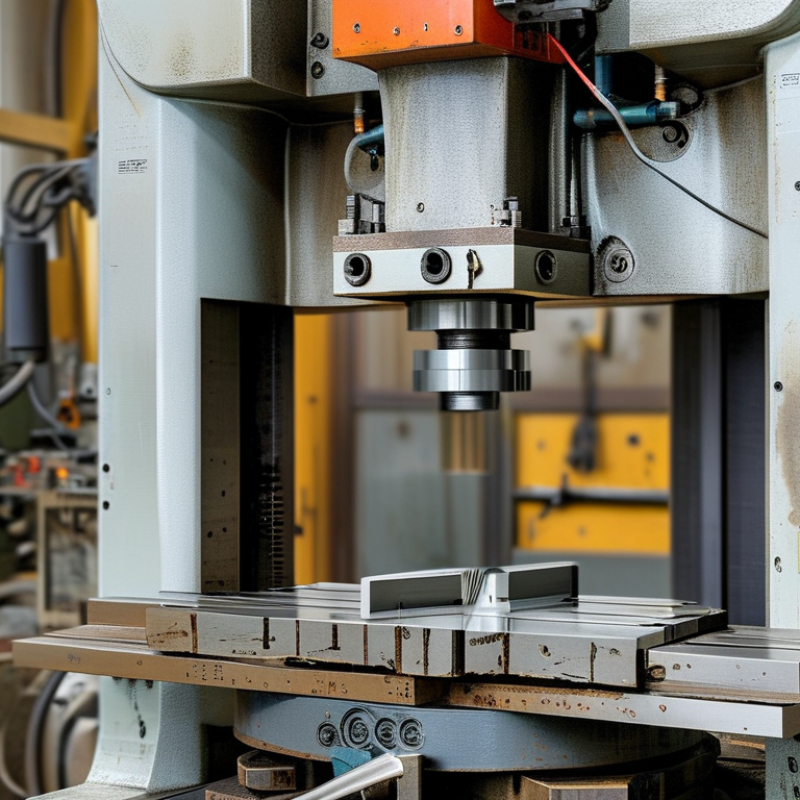
What Is the Best Hydraulic Bearing Press Machine in 2026?

Hydraulic Bearing Press Machines: Definition and Core Functions

What Is the Best Hydraulic Bearing Press Machine in 2026?

A hydraulic bearing press machine uses controlled fluid pressure to produce steady linear force. Its main components include a hydraulic pump, cylinder, frame, pressure gauge, and adjustable bed. The cylinder pushes a ram downward, allowing technicians to remove or install bearings without hammering. This reduces shock loads and protects nearby shafts.

It is a force-control tool.

For bearing work, capacity matters, but alignment matters more. A 20-ton press may handle many workshop jobs, while larger assemblies require 50 tons or more. The Allied Market Research report estimated the global hydraulic press market at about USD 13.6 billion in 2021, with continued growth projected through 2031. This expansion reflects demand for controlled forming and maintenance equipment, not just higher tonnage.

In practical use, the best machine should offer stable pressure, clear gauge readings, guarded pinch points, and a rigid frame. ISO 4413:2010 highlights safety requirements for hydraulic fluid-power systems, including pressure control and stored-energy protection. Operators should inspect hoses, pins, and ram alignment before every job. Small leaks are not harmless. They can signal seal wear or pressure loss. One imperfect assumption remains common: more force does not guarantee better results. Excessive pressure can deform a bearing, damage a housing, or bend a shaft. A suitable press applies enough force slowly, evenly, and visibly.

Key Features That Determine Press Performance and Reliability

In 2026, the best hydraulic bearing press machine is not simply the one with the highest tonnage. In daily workshop use, frame stiffness, ram alignment, and controlled pressure matter more. A rigid welded frame should resist visible flexing under load. The cylinder should move smoothly, without sudden jumps or pressure loss. From practical repair work, I have found that a clear pressure gauge improves repeatability. It also exposes problems before a bearing or shaft is damaged. Small details matter.

Look for a reliable hydraulic system with overload protection, accessible seals, and a return mechanism that does not hesitate. Adjustable bed height helps operators align different assemblies without improvised blocks. Interchangeable tooling should fit securely and distribute force evenly around the bearing race. Poor contact can distort the component, even when the press appears powerful. A guarded work area and stable floor feet reduce risk during high-load operations. Safety is engineering, not decoration.

Performance also depends on measurement and maintenance. Check gauge accuracy periodically, inspect hoses for abrasion, and keep the ram clean. Record pressing force, alignment, and unusual noise during repeated jobs. Those notes can reveal drift that casual inspection misses. I would not choose a machine from specifications alone. Some advertised capacities assume ideal conditions, which rarely exist in a busy shop. A slightly slower press with better control may produce more consistent results. That choice requires honest testing.

How to Compare Hydraulic Bearing Press Machines in 2026

What Is the Best Hydraulic Bearing Press Machine in 2026?

Comparing hydraulic bearing press machines in 2026 requires more than checking maximum tonnage. Start with the work you actually perform. A 20-ton press may suit wheel hubs and small bushings, while heavy industrial bearings need greater capacity. Measure bearing diameter, shaft length, and available workspace before choosing. I once underestimated frame width, and the press became difficult to use with larger assemblies. That mistake was expensive in time.

Check frame rigidity, hydraulic stability, and bed adjustment. A thick welded frame should resist twisting under load. The pressure gauge must be clear and accurate, not merely decorative. Compare ram stroke, return speed, and control precision. A slow return can delay repeated repairs. A removable worktable helps, but it should lock securely at each height. Small details matter.

Safety deserves close inspection. Look for guarded moving parts, stable feet, overload protection, and clear operating instructions. Confirm that replacement seals and hydraulic oil specifications are available through reliable service channels. Test the press with a calibrated gauge when possible. Some advertised capacities feel optimistic in daily workshop conditions. Noise, oil seepage, and uneven movement may reveal weak quality earlier than brochures do. Record these observations during a real trial, not only during a showroom demonstration.

What Is the Best Hydraulic Bearing Press Machine in 2026? — How to Compare Hydraulic Bearing Press Machines in 2026
Press Category Typical Rated Capacity Typical Working Width Typical Ram Stroke Typical Working Height Common Hydraulic Pressure Typical Motor Power Best Application Main Advantages Important Limitations
Compact Bench-Top Press 6–12 tons 300–500 mm 100–150 mm 250–450 mm Approximately 40–70 MPa Manual pump or 0.75–1.5 kW power unit Small bearings, bushings, universal joints and light assembly work Low purchase cost, small footprint and easy installation Limited throat depth, capacity and continuous-duty performance
Standard Floor-Standing Workshop Press 20–30 tons 500–750 mm 150–250 mm 500–800 mm Approximately 45–75 MPa 1.5–3.0 kW power unit or manual-assisted hydraulics General automotive repair and medium-sized bearing removal or installation Good balance of capacity, accessibility and operating cost Requires floor space and may need additional tooling for unusual bearing sizes
Heavy-Duty Floor Press 40–60 tons 700–1,000 mm 200–300 mm 600–1,000 mm Approximately 50–80 MPa 3.0–5.5 kW power unit Large bearings, truck hubs, shafts, gears and heavy maintenance operations High force reserve, stronger frame and greater working clearance Higher energy use, larger footprint and more demanding installation requirements
Mobile Shop Press 20–30 tons 500–750 mm 150–250 mm 500–800 mm Approximately 45–75 MPa Manual pump or 1.5–3.0 kW power unit Maintenance areas where the press must be moved between workstations Improved mobility and flexible positioning Casters can reduce stability; the press must be locked and leveled before use
Production Hydraulic Press 50–100 tons 800–1,200 mm 250–400 mm 700–1,200 mm Approximately 60–100 MPa 5.5–11 kW power unit High-volume bearing assembly, disassembly and repeatable industrial processes Higher productivity, programmable cycles and compatibility with fixtures or automation Greater capital cost, maintenance requirements and operator-training needs
Custom or Multi-Station Press Defined by the application, commonly 30–100+ tons Configured to the workpiece and tooling Configured to the process Configured to the workpiece and safety envelope Selected according to required force and cycle rate Selected according to hydraulic flow and duty cycle Specialized bearing lines, large assemblies or integrated production cells Best process fit, custom tooling and potential for automatic monitoring Longer procurement time, engineering costs and more complex validation
Recommended Selection for Most General Workshops Approximately 45–75 MPa 1.5–3.0 kW, depending on duty cycle Mixed automotive and industrial bearing service Confirm that the frame opening and tooling match the largest actual workpiece
Selection note: Actual specifications vary by design and configuration. Compare rated force, usable daylight, throat depth, stroke, pressure control, frame stiffness, safety guarding, tooling compatibility, service support and applicable local machinery-safety requirements before purchase.

Best Machine Types for Workshops, Factories, and Heavy-Duty Repairs

What Is the Best Hydraulic Bearing Press Machine in 2026?

Choosing the best hydraulic bearing press machine depends on the repair environment, not only pressure capacity. Small workshops usually benefit from a 20- to 50-ton H-frame press. It can handle wheel bearings, bushings, pins, and suspension parts without consuming excessive floor space. An adjustable work bed improves access around uneven components. A large, readable pressure gauge also helps technicians avoid crushing delicate housings. In practical use, frame rigidity matters more than impressive capacity figures. Some compact presses flex when loads are applied off-center. That detail is easy to miss.

Factories often need four-post or reinforced H-frame machines rated between 100 and 200 tons. These models support repeatable production work, larger shafts, and stubborn bearing assemblies. Look for a two-speed hydraulic pump, controlled ram travel, and sufficient daylight between the bed and cylinder. A duty-cycle rating is important because frequent pressing creates heat and seal wear. Operators should record pressure readings and inspect hoses regularly. Small maintenance delays can become expensive production interruptions.

Heavy-duty repair centers may require machines above 200 tons, especially for industrial axles and large construction components. A powered hydraulic unit reduces physical effort, while removable tooling improves versatility. However, maximum tonnage should not become the main selection rule. I would rather choose a slightly slower press with a stronger frame and better guarding. That preference is not perfect. Floor space, tooling costs, and operator training can change the decision. Safe alignment remains essential, even when the machine appears oversized.

Typical hydraulic press capacities increase with machine size and structural strength. Compact bench presses suit light workshop tasks, while H-frame and four-column machines are better for continuous production, bearing removal, forming, and heavy-duty repair work.

Safety, Maintenance, and Long-Term Operating Considerations

The best hydraulic bearing press machine in 2026 should be judged by safety, serviceability, and operating stability. A rigid frame, guarded work area, and clearly marked pressure gauge reduce avoidable injuries. Choose a machine with a pressure relief valve and a controllable ram return system. Smooth movement matters.

Before pressing, center the bearing and support the surrounding component evenly. Never stand directly in line with the press tools. Inspect adapters for cracks, distortion, or sharp edges. A small metal fragment can travel quickly. Operators should wear eye protection, safety footwear, and fitted work clothing. Training must include pressure release procedures, not only normal operation.

Maintenance keeps performance predictable. Check hydraulic hoses, fittings, seals, and oil levels during every routine inspection. Small leaks matter. Replace damaged hoses immediately, even when pressure loss seems minor. Keep the ram polished and lightly lubricated according to the service instructions. Contaminated oil can cause sluggish movement and internal wear, so filtration and scheduled oil changes deserve attention. Record pressure readings and unusual noises in a simple log.

Long-term cost depends on more than purchase price. A press with accessible components may reduce downtime and simplify repairs. Confirm that replacement seals, gauges, and tooling remain available. Avoid operating at maximum capacity for every job; repeated overload can permanently distort the frame. In practice, users sometimes ignore slow ram drift until accuracy suffers. That is a mistake worth reconsidering. Allow cooling intervals during heavy cycles, and review inspection records before increasing production demands.

FAQS

: What does a hydraulic bearing press machine do?

: It uses controlled fluid pressure to create steady linear force. The ram moves downward without hammering. This reduces shock loads on shafts, housings, and nearby components.

What capacity should I choose?

A 20-ton press may suit wheel hubs, bushings, and smaller bearings. Larger industrial assemblies may require 50 tons or more. More force is not always better.

Which feature matters more than maximum tonnage?

Alignment often matters more than capacity. A rigid frame, adjustable bed, and clear pressure gauge improve control. A crooked setup can damage a good bearing.

How can I compare machines during testing?

Check frame width, ram stroke, return speed, and bed locking. Watch for uneven movement, oil seepage, or unusual noise. A showroom test can mislead.

What safety checks should happen before pressing?

Center the bearing and support the surrounding component evenly. Inspect hoses, pins, adapters, and ram alignment. Keep your body away from the tool line. Wear eye protection and fitted work clothing.

Why are small hydraulic leaks important?

A small leak can indicate seal wear or pressure loss. Damaged hoses should be replaced immediately. Ignoring seepage often creates a larger maintenance problem.

How should the machine be maintained?

Check oil levels, fittings, hoses, and seals during routine inspections. Keep the ram clean and lightly lubricated according to service instructions. Filter contaminated oil and follow scheduled oil changes.

What affects long-term operating cost?

Accessible components can simplify repairs and reduce downtime. Confirm that seals, gauges, oil, and compatible tooling remain available. Purchase price alone is an incomplete calculation.

Can I operate the press near its maximum capacity every time?

That practice is risky and inefficient. Repeated overload may distort the frame or damage the workpiece. Allow cooling intervals during demanding cycles. Record pressure readings and unusual sounds.

Conclusion

A Hydraulic Bearing Press Machine is a powerful workshop and industrial tool designed to install, remove, or reposition bearings and other tightly fitted components with controlled hydraulic force. Its performance depends on key factors such as pressing capacity, frame strength, working range, pressure control, adjustment flexibility, build quality, and ease of operation. A well-designed machine should deliver stable force, accurate positioning, and reliable results across repeated tasks.

When comparing machines in 2026, users should match the press type and capacity to their working environment, whether for general workshops, production facilities, or heavy-duty repair operations. Manual, pneumatic-hydraulic, and powered systems each offer different advantages in speed, control, and operating cost. Safety guards, pressure-release features, clear controls, regular inspections, hydraulic fluid maintenance, and proper alignment are essential for long-term reliability. The best choice is one that combines suitable force, durable construction, efficient operation, user safety, and manageable maintenance requirements.

Oliver

Oliver

Oliver is a seasoned marketing professional with a wealth of expertise in driving brand awareness and engagement. With a deep understanding of our company's product offerings, he consistently delivers high-quality content that enriches our professional blog. His insights not only shed light on......